






A well-maintained mini-split system typically lasts 15 to 20 years, according to HVAC industry estimates. Some units last longer with excellent maintenance; others may need major repairs or replacement sooner if maintenance is neglected or the system was improperly installed. This guide covers what determines lifespan, what maintenance extends it, and the signs that replacement is approaching.
Mini-Split Lifespan vs Other Systems
| System | Typical Lifespan | Key Lifespan Factor |
|---|---|---|
| Mini-split | 15–20 years | Compressor health; filter maintenance |
| Central air conditioner | 12–18 years | Duct condition; refrigerant charge |
| Window AC | 5–10 years | Build quality; usage intensity |
| Gas furnace | 15–25 years | Heat exchanger integrity |
| Boiler | 20–30 years | Water quality; maintenance |
What Determines How Long a Mini-Split Lasts
- Compressor quality. The compressor is the most critical component. Inverter compressors — used in all modern mini-splits — last longer than fixed-speed compressors because they avoid the stress of constant on-off cycling.
- Filter maintenance. Cleaning the filter every 2–4 weeks keeps airflow unrestricted, preventing coil freezing, compressor strain, and premature wear.
- Installation quality. Proper vacuum evacuation, correct refrigerant charge, secure mounting, and correct electrical connections directly affect longevity. Poor installation is the leading cause of premature failure.
- Climate and usage. Units running 12+ hours per day in extreme climates (very hot summers or very cold winters) experience more wear than units in moderate climates with seasonal use.
- Brand and build quality. Premium brands typically use higher-grade components and tighter manufacturing tolerances. This correlates with longer lifespans in industry data, though well-maintained budget units can also reach 15+ years.
Compatible with all brands of ACs and Mini-Splits
Automate Climate Management
Control remotely
Reduce Energy Consumption
Monitor bills in realtimeKlima - Smart Home Thermostat for Mini-splits, Air Conditioners and Heatpumps
Maintenance That Extends Lifespan
- Clean the filter every 2–4 weeks during active use. Takes 5 minutes, costs nothing.
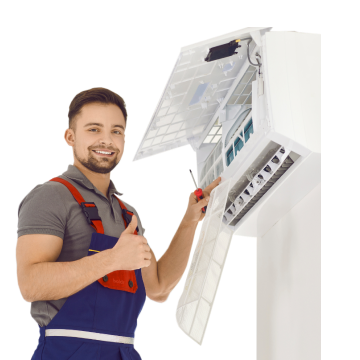
- Schedule annual professional maintenance. A technician checks refrigerant levels, cleans the coils, inspects the drain system, tests electrical connections, and verifies performance. Cost: $100–$200 per visit.
- Keep the outdoor unit clear. Remove snow, leaves, and debris. Maintain 12+ inches of clearance on all sides.
- Address issues promptly. Strange noises, ice buildup, water leaks, and error codes are early warning signs. Fixing them early prevents larger, more expensive failures.
Signs Your Mini-Split Needs Replacement
- Frequent repairs. If repair costs exceed $1,000–$1,500 in a single year on a system over 12 years old, replacement is usually more cost-effective.
- Declining efficiency. Noticeably higher electricity bills with the same usage pattern can indicate a compressor losing efficiency.
- Compressor failure. Replacing a compressor on an older unit costs $1,500–$3,000 — often more than half the cost of a new system.
- R-22 refrigerant. Very old units using R-22 (phased out in the US and Canada) are expensive to service. Replacement with a modern unit using R-410A, R-32, or R-454B is recommended.
Stay cool and save more. Use code JONES15 to get 15% off your entire order—no strings attached.
Upgrade your comfort with a Klima today.
Frequently Asked Questions
Do premium brands last longer?
Industry data suggests that premium brands (Mitsubishi, Fujitsu, Daikin) have lower failure rates in the first 10 years. However, any well-maintained mini-split from a reputable manufacturer can reach 15–20 years.
Can a mini-split last 25 years?
It is possible but uncommon. Some units in mild climates with excellent maintenance have lasted 25+ years. At that age, the system will be less efficient than modern units and may use an older refrigerant that is expensive to service. Replacement is typically recommended by 20 years for efficiency and reliability reasons.


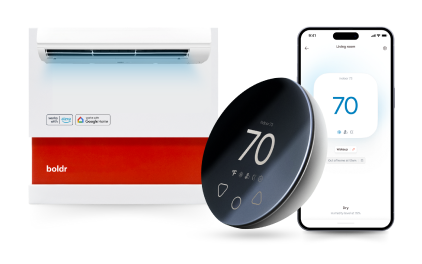
Klima - Smart Home Controller for Mini-splits, Air Conditioners and Heatpumps
Compatible with all brands of ACs and Mini-Splits Automate Climate Management Control remotely Reduce Energy Consumption Monitor bills in realtime
Try NowRecent Articles

Mini-Split Outdoor Unit Clearance 2026 Guide
A mini-split outdoor unit needs air. Lots of it. The condenser pull...
Read More
What Happens if Your Mini-Split Is Too Small?
Most homeowner sizing advice focuses on oversized mini-splits. But ...
Read More
Does a Mini-Split Need a Manual J Load Calculation?
A 500-square-foot room does not automatically need a 12,000 BTU min...
Read More
Signs Your Mini-Split May Have a Refrigerant Leak
A mini-split does not normally “use up” refrigerant the way a car u...
Read More
Mini-Split Minimum Capacity: Why It Matters
When homeowners compare mini-splits, they normally look at the bigg...
Read More