






The balance point temperature is the outdoor temperature at which a heat pump's heating output exactly equals the heat loss from the building — the point where the system is running at full capacity and just barely keeping up. Above the balance point, the heat pump has excess capacity; below it, additional supplemental heat is required to maintain comfort. Understanding your system's balance point helps you plan a complete heating system and avoid undersized backup heat.
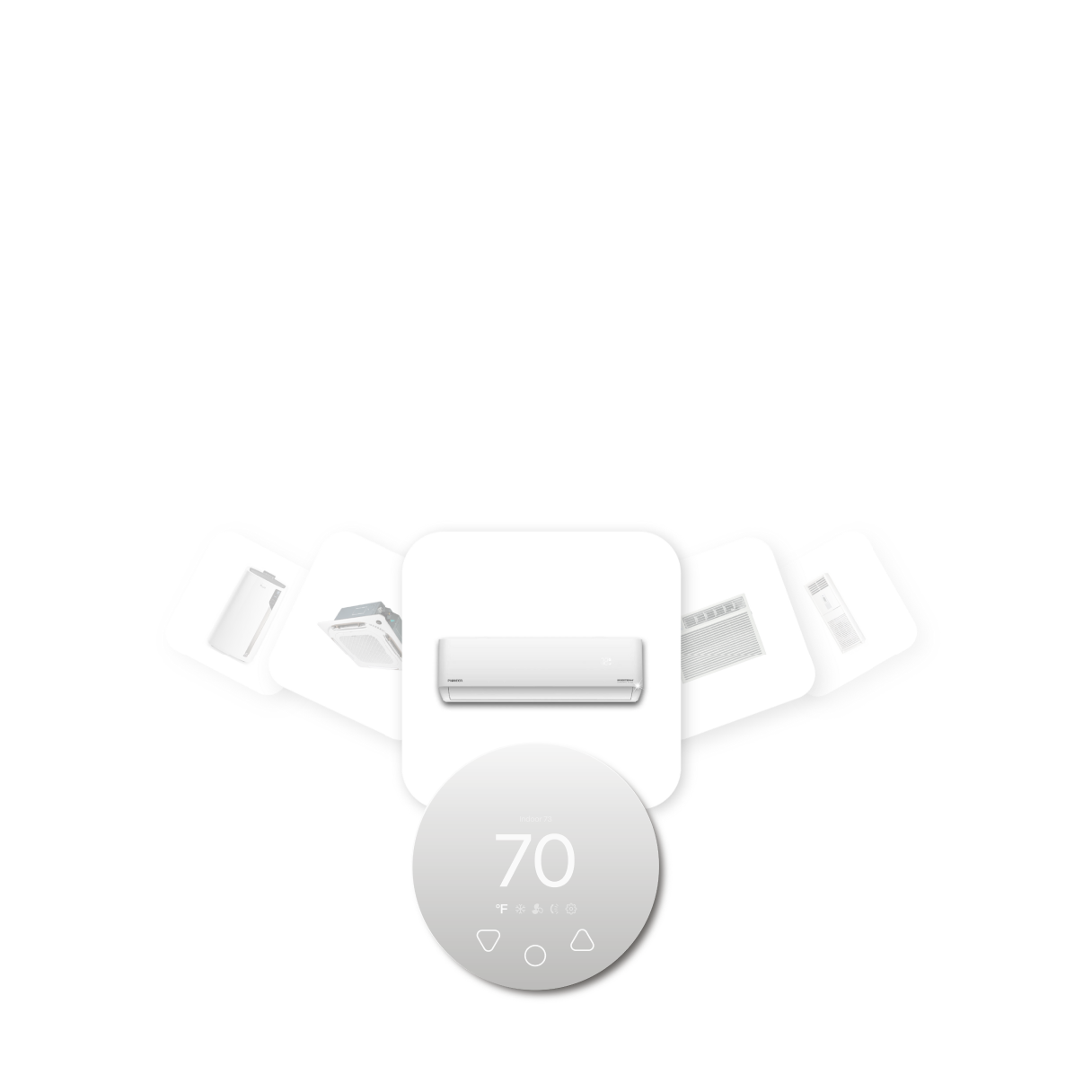
Compatible with all brands of ACs and Mini-Splits
Automate Climate Management
Control remotely
Reduce Energy Consumption
Monitor bills in realtimeKlima - Smart Home Thermostat for Mini-splits, Air Conditioners and Heatpumps
What Is Balance Point?
Every building has a specific heat loss rate at any given outdoor temperature — the colder it gets outside, the faster heat escapes through walls, windows, and the roof. At the same time, a heat pump's heating output decreases as outdoor temperature falls (due to lower COP). The balance point is where these two curves intersect:
- Above the balance point: heat pump output > building heat loss → heat pump handles everything
- At the balance point: heat pump output = building heat loss → system runs continuously
- Below the balance point: heat pump output < building heat loss → supplemental heat required
What Determines a Building's Balance Point?
| Factor | Effect on Balance Point |
|---|---|
| Insulation quality | Better insulation → lower balance point (heat pump covers more of the heating season) |
| Window area and quality | More or lower-quality windows → higher balance point (more heat loss) |
| Building size | Larger buildings have higher total heat loss → affects how large a heat pump is needed |
| Mini-split model | Cold-climate models maintain output at lower temperatures → lower effective balance point |
| Mini-split BTU capacity | Larger capacity → lower balance point (can keep up with heat loss further into cold weather) |
Typical Balance Points
For a standard mini-split in a well-insulated home:
- Standard mini-split: Balance point typically 10–20°F (−7 to −12°C)
- Cold-climate mini-split: Balance point typically 0 to −13°F (−18 to −25°C)
This means a standard mini-split will need backup heat on any night colder than about 15°F in most home configurations. A cold-climate model extends the range significantly — handling most Canadian and northern US winter conditions independently.
What Happens Below the Balance Point
Below the balance point, the heat pump continues to run — it simply cannot maintain the indoor setpoint without supplemental heat. Options for supplemental heat include:
- Electric resistance heat strips in the air handler
- A retained gas furnace (dual-fuel hybrid system)
- Electric baseboard heaters in the coldest rooms
- A wood or pellet stove
For most of the US and southern Canada, the hours below a cold-climate mini-split's balance point are few enough that a small supplemental heat source handles them cost-effectively.
Frequently Asked Questions
How do I find my mini-split's balance point?
Your HVAC installer can calculate it using a Manual J heat loss calculation for your specific home combined with the heat pump's published capacity curves (available in the technical specifications for your model). The result tells you the outdoor temperature at which backup heat becomes necessary.
Do I need backup heat for a cold-climate mini-split?
In most of the US and southern Canada, no — a properly sized cold-climate model handles virtually all heating hours without assistance. In the coldest regions (Prairie provinces, northern Ontario/Quebec), the hours below −25°C are relatively few per year, and a small backup source handles them economically without the mini-split bearing the full load.
Related reading:
→ How Efficient Is a Mini-Split in Winter? Real Numbers
→ Do Mini-Splits Work in Cold Weather?
→ Can a Mini-Split Replace a Furnace? Honest Assessment


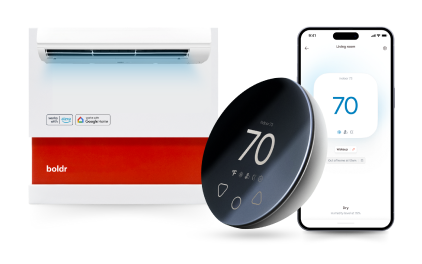
Klima - Smart Home Controller for Mini-splits, Air Conditioners and Heatpumps
Compatible with all brands of ACs and Mini-Splits Automate Climate Management Control remotely Reduce Energy Consumption Monitor bills in realtime
Try NowRecent Articles

Mini-Split Outdoor Unit Clearance 2026 Guide
A mini-split outdoor unit needs air. Lots of it. The condenser pull...
Read More
What Happens if Your Mini-Split Is Too Small?
Most homeowner sizing advice focuses on oversized mini-splits. But ...
Read More
Does a Mini-Split Need a Manual J Load Calculation?
A 500-square-foot room does not automatically need a 12,000 BTU min...
Read More
Signs Your Mini-Split May Have a Refrigerant Leak
A mini-split does not normally “use up” refrigerant the way a car u...
Read More
Mini-Split Minimum Capacity: Why It Matters
When homeowners compare mini-splits, they normally look at the bigg...
Read More