






A clogged condensate drain line is the most common cause of water leaking from a mini-split — responsible for roughly 80% of indoor water leak cases. The good news is that it is one of the easiest mini-split problems to fix yourself. This guide covers how to identify a clogged drain line, how to clear it, and how to prevent it from clogging again.
How the Drain Line Works
During cooling and dehumidification, your mini-split removes moisture from the air. This moisture condenses on the cold evaporator coil, drips into a drain pan below the coil, and flows through a small plastic drain line to the outside of your home. When this line is blocked — by algae, mold, dust, or debris — water backs up in the drain pan and eventually overflows inside your home.
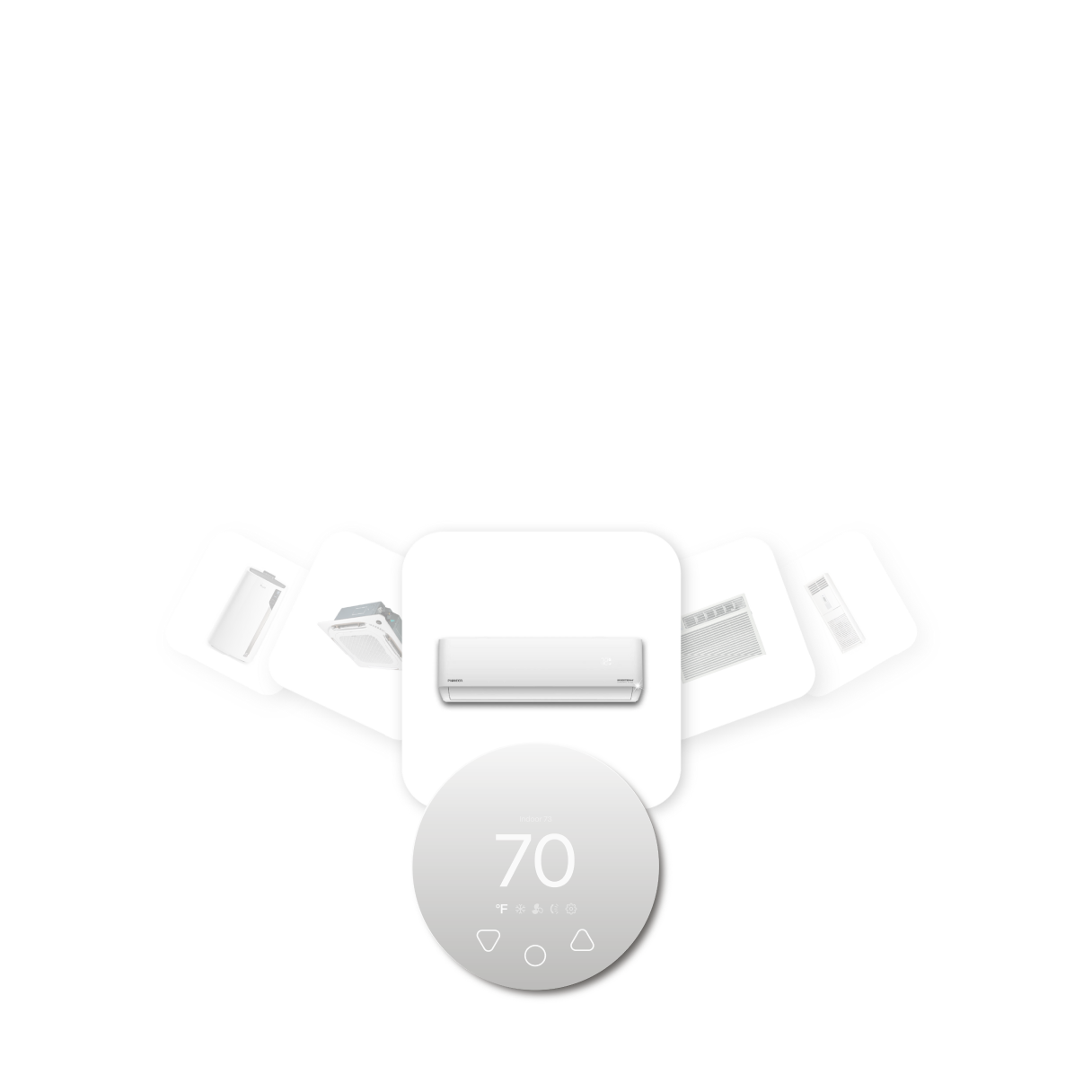
Compatible with all brands of ACs and Mini-Splits
Automate Climate Management
Control remotely
Reduce Energy Consumption
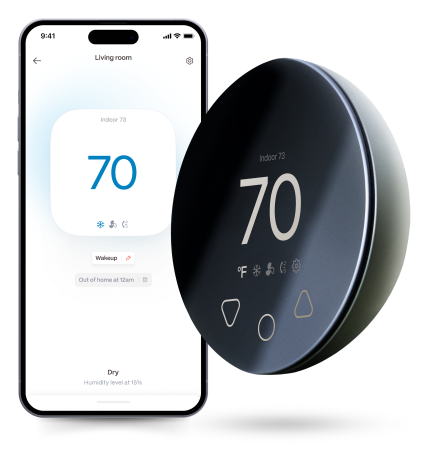
Monitor bills in realtimeKlima - Smart Home Thermostat for Mini-splits, Air Conditioners and Heatpumps
Signs Your Drain Line Is Clogged
- Water dripping from the indoor unit or running down the wall
- Water pooling on the floor beneath the indoor unit
- A musty or moldy smell from the indoor unit
- The unit shutting off with an error code (some units have a float switch that stops operation when the drain pan fills)
- No water exiting from the outdoor drain line exit during cooling mode
How to Clear a Clogged Drain Line
Method 1: Wet/Dry Vacuum (Most Effective)
Step 1: Find the drain line exit on the outside of your home — it is a small tube or pipe near the outdoor unit or at the base of the wall.
Step 2: Place the nozzle of a wet/dry vacuum tightly against the drain line opening.
Step 3: Run the vacuum for 30–60 seconds. This creates strong suction that pulls the clog out from the outdoor end.
Step 4: Check the vacuum canister — you should see water and debris if the clog cleared.
Step 5: Turn on the mini-split in cool mode and verify water flows freely from the outdoor drain line exit within a few minutes.
Method 2: Flexible Brush or Drain Snake
Insert a small flexible brush or drain cleaning tool into the outdoor end of the drain line. Gently push it in and rotate to break up the clog. Flush with water afterward to clear debris.
Method 3: Vinegar Flush (Preventive + Mild Clogs)
Step 1: Open the indoor unit's front panel and locate the drain pan.
Step 2: Pour one cup of distilled white vinegar into the drain pan.
Step 3: Wait 30 minutes. The vinegar dissolves algae and mold.
Step 4: Run the unit in cool mode and verify the drain flows.
How to Prevent Future Clogs
| Maintenance Task | Frequency | What It Prevents |
|---|---|---|
| Pour vinegar in drain pan | Every 3–6 months | Algae and mold growth |
| Clean air filter | Every 2–4 weeks | Dust reaching the coil and drain pan |
| Professional coil cleaning | Annually | Deep debris buildup on coil and in pan |
| Check outdoor drain exit | Every 3 months | External blockage from dirt, insects |
| Install drain line safety switch | One-time | Water damage if drain backs up while away |
In high-humidity climates (Gulf Coast, Florida, coastal areas), increase the vinegar flush to every 1–2 months. Higher moisture volume accelerates algae growth inside the drain line.
Frequently Asked Questions
Can I use bleach instead of vinegar?
Diluted bleach (1 part bleach to 10 parts water) works, but vinegar is gentler on the plastic drain components and is preferred by most HVAC professionals. Never pour undiluted bleach — it can degrade rubber fittings and gaskets.
How do I know if the drain line is clogged vs another problem?
If water drips from the indoor unit only during cooling or dry mode, and no water exits from the outdoor drain line end, it is almost certainly a drain clog. If the unit leaks even when not cooling, or if ice is present on the coil, the issue may be a frozen coil, incorrect installation angle, or cracked drain pan instead.
Should I hire a technician for a drain clog?
For a simple clog, DIY clearing with a wet/dry vacuum or vinegar is straightforward and effective. If you have cleared the line and the unit continues to leak, or if the drain pan appears cracked or the line is damaged, a professional can diagnose and fix the underlying issue.


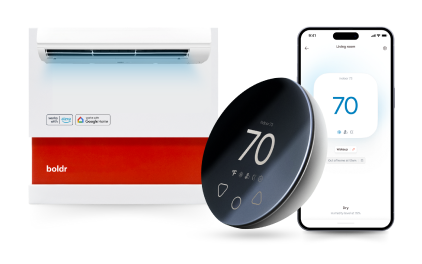
Klima - Smart Home Controller for Mini-splits, Air Conditioners and Heatpumps
Compatible with all brands of ACs and Mini-Splits Automate Climate Management Control remotely Reduce Energy Consumption Monitor bills in realtime
Try NowRecent Articles

Mini-Split Outdoor Unit Clearance 2026 Guide
A mini-split outdoor unit needs air. Lots of it. The condenser pull...
Read More
What Happens if Your Mini-Split Is Too Small?
Most homeowner sizing advice focuses on oversized mini-splits. But ...
Read More
Does a Mini-Split Need a Manual J Load Calculation?
A 500-square-foot room does not automatically need a 12,000 BTU min...
Read More
Signs Your Mini-Split May Have a Refrigerant Leak
A mini-split does not normally “use up” refrigerant the way a car u...
Read More
Mini-Split Minimum Capacity: Why It Matters
When homeowners compare mini-splits, they normally look at the bigg...
Read More