




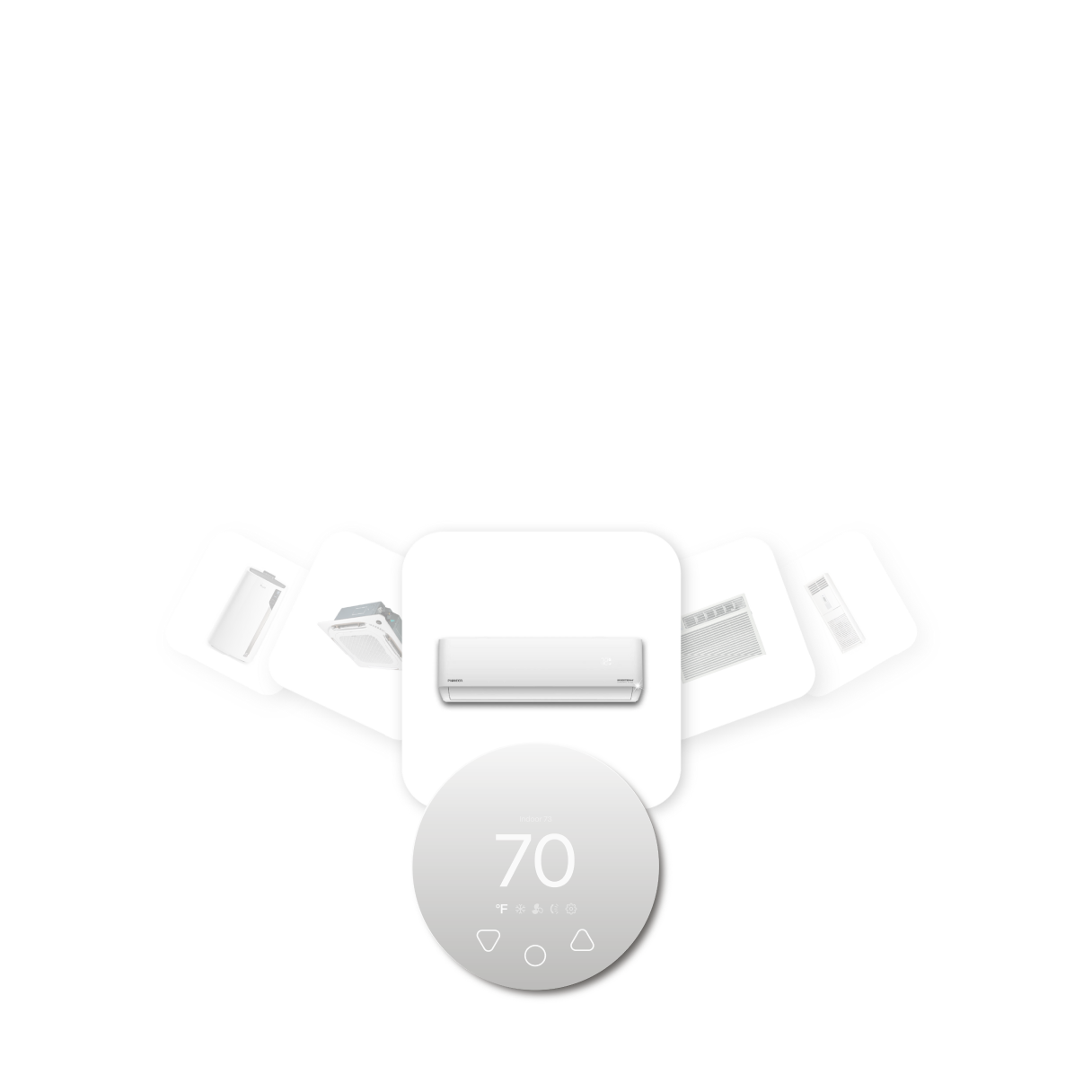



A mini-split is one of the best climate control solutions for a home office — it provides independent temperature control separate from the rest of the house, operates quietly enough to use during video calls, and can be scheduled to pre-condition the space before your workday begins. This guide covers what to look for when choosing a mini-split for a home office, the quietest available options, and how to set it up for productive remote work.
Compatible with all brands of ACs and Mini-Splits
Automate Climate Management
Control remotely
Reduce Energy Consumption
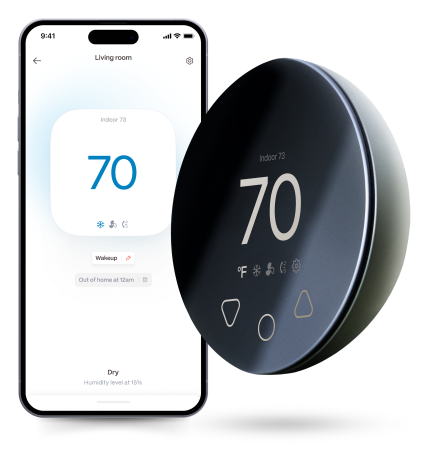
Monitor bills in realtimeKlima - Smart Home Thermostat for Mini-splits, Air Conditioners and Heatpumps
Why Mini-Splits Work Well for Home Offices
- Independent temperature control: Work at your ideal temperature without affecting the rest of the household — no more compromise between your preferred 68°F office and a 74°F living room for family members
- Quiet operation: At minimum fan speed, premium mini-splits operate at 19–22 dB — well below the threshold for noticeable background noise on video calls
- Scheduling: Pre-condition the office before you start work; set it to turn off automatically after hours to avoid conditioning an empty room
- Humidity control: Home offices with computer equipment benefit from stable humidity — a mini-split running in cooling or dry mode maintains comfortable, equipment-friendly humidity levels
What Size Mini-Split for a Home Office?
| Office Size | Recommended BTU | Notes |
|---|---|---|
| Under 150 sq ft | 6,000–9,000 BTU | Small spare room or closet office |
| 150–300 sq ft | 9,000 BTU | Most dedicated home offices; do not oversize |
| 300–500 sq ft | 12,000 BTU | Large office with significant computer heat load |
Do not oversize for a home office. An oversized unit short-cycles — cooling the small space too quickly, never running long enough to dehumidify properly. A 9,000 BTU unit running continuously at low capacity produces more comfort and better dehumidification than a 12,000 BTU unit that cycles on/off every 5 minutes.
The Quietest Mini-Splits for Home Offices (2026)
| Brand / Model | Min. Indoor dB | Notable Feature |
|---|---|---|
| Mitsubishi MSZ-FH | 19 dB | Industry-leading quiet; i-see Sensor adjusts to occupancy |
| Daikin Emura | 19–20 dB | Slim design; Streamer air purification |
| Fujitsu Halcyon | 20–22 dB | Very quiet; cold-climate capable |
| Panasonic (select models) | 19–22 dB | nanoe X air purification; ECONAVI occupancy sensing |
Scheduling for Work-from-Home Routines
Most WiFi-connected mini-splits allow weekly schedules — set the unit to turn on 30 minutes before your workday and off at your typical end time. This avoids conditioning an empty room overnight while ensuring the office is at your preferred temperature when you sit down. On days you are not working, the schedule can be overridden with a single command from the app.
Frequently Asked Questions
Will a mini-split be audible during video calls?
At minimum fan speed (19–22 dB for premium brands), the mini-split is below the noise floor of most laptop microphones and well below the threshold of audibility on most video conferencing platforms. Budget brands at 28–38 dB may occasionally be picked up on sensitive microphones in a quiet room — position yourself with the indoor unit behind the camera rather than behind the microphone to reduce this further.
Should I get a zone dedicated to my home office or share it with another room?
A dedicated zone is preferable for a home office — it allows you to maintain your work temperature independently while other family members control the rest of the home. If your office is in an open-plan space shared with a living area, a single larger unit can serve both, but you lose the independent temperature control benefit.
Related reading:
→ How Quiet Are Mini-Splits? Decibel Levels Compared by Brand
→ Mini-Split Scheduling: How to Set a Temperature Schedule
→ Mini-Split for a Bedroom: What Size Do You Need?


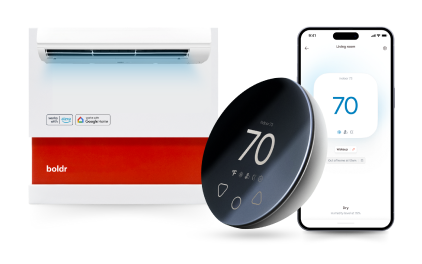
Klima - Smart Home Controller for Mini-splits, Air Conditioners and Heatpumps
Compatible with all brands of ACs and Mini-Splits Automate Climate Management Control remotely Reduce Energy Consumption Monitor bills in realtime
Try NowRecent Articles

Can You Install a Mini-Split in a Laundry Room?
A laundry room can become one of the hottest and most humid spaces ...
Read More
Mini-Splits in Rooms With Vaulted Ceilings
A room with a vaulted ceiling cannot be sized or controlled in the ...
Read More
Using a Mini-Split With a Wood Stove or Fireplace in 2026
A mini-split and wood-burning appliance can work together, but the ...
Read More
Repair or Replace Your Mini-Split? A Practical 2026 Guide
A failed mini-split does not always need to be replaced. A blocked ...
Read More
Mini-Split for 2-Car Garage: Sizing and Best Options
A two-car garage is one of the most common spaces where homeowners ...
Read More