






HSPF (Heating Seasonal Performance Factor) is the efficiency rating for heat pumps in heating mode — the higher the HSPF or HSPF2, the more heat the system delivers per unit of electricity over a full heating season. Understanding HSPF helps you compare mini-splits on heating efficiency, estimate operating costs, and identify which models qualify for rebates and tax credits.
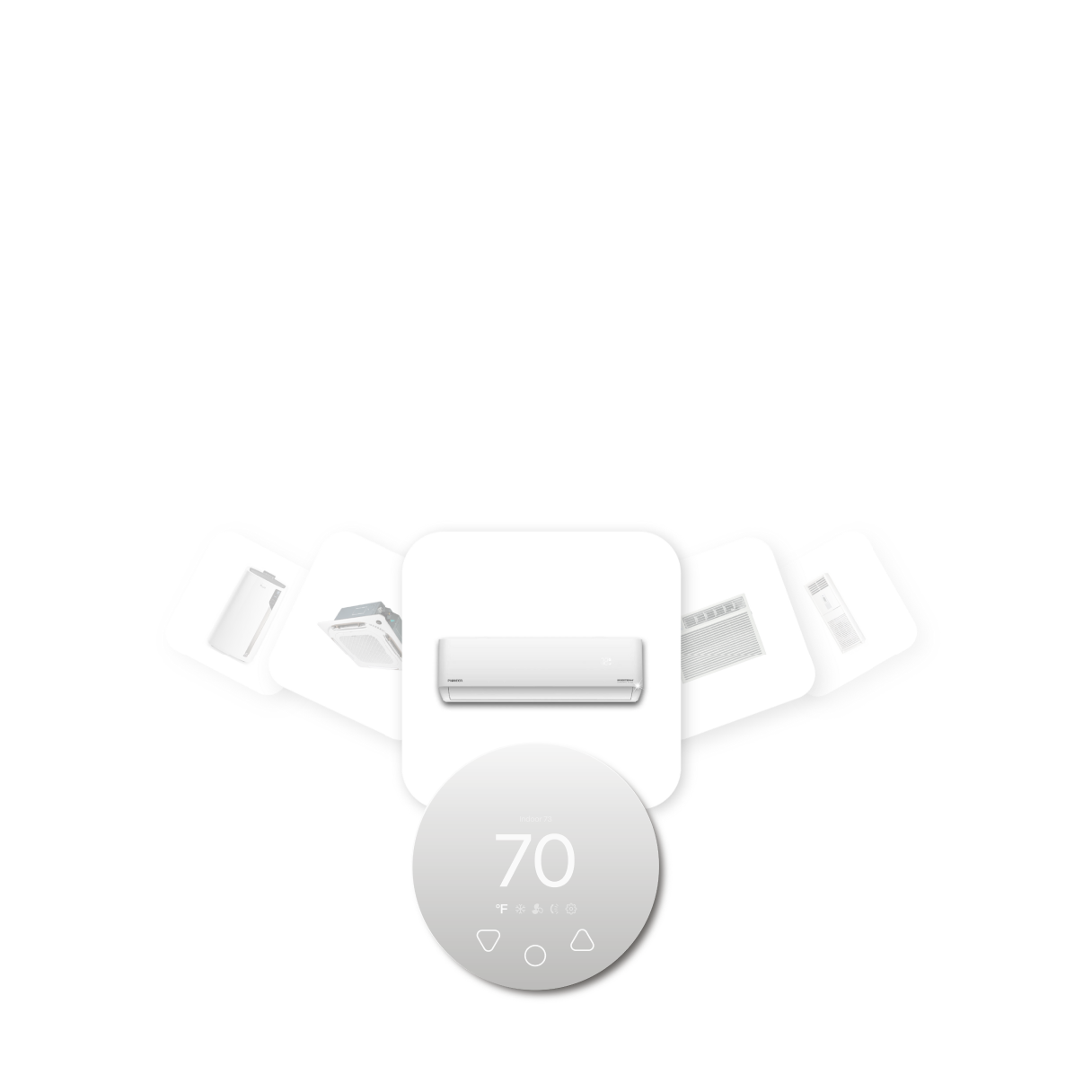
Compatible with all brands of ACs and Mini-Splits
Automate Climate Management
Control remotely
Reduce Energy Consumption
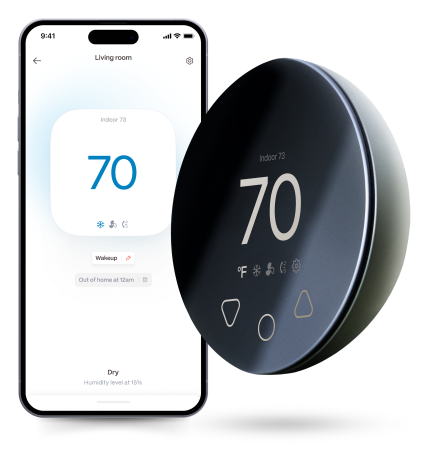
Monitor bills in realtimeKlima - Smart Home Thermostat for Mini-splits, Air Conditioners and Heatpumps
HSPF vs HSPF2: What Changed
The US Department of Energy replaced the original HSPF rating with HSPF2 in 2023. HSPF2 uses a more rigorous test procedure that better reflects real-world installation conditions — duct losses, blower power, and part-load performance. HSPF2 ratings are typically 15–25% lower numerically than the old HSPF for the same equipment. When comparing mini-splits, always compare HSPF2 to HSPF2 or HSPF to HSPF — not across the two standards.
What HSPF2 Numbers Mean
| HSPF2 Rating | Efficiency Tier | Notes |
|---|---|---|
| Below 7.5 | Below minimum standard | Does not meet 2023 federal minimum for heat pumps |
| 7.5–9.0 | Standard efficiency | Meets minimum federal requirements |
| 9.0–10.5 | Mid-efficiency | Typical for good residential mini-splits |
| 10.5–12.0 | High efficiency | Qualifies for most IRA tax credits and utility rebates |
| 12.0+ | Premium efficiency | Cold-climate models; maximum rebate eligibility |
Stay cool and save more. Use code JONES15 to get 15% off your entire order—no strings attached.
Upgrade your comfort with a Klima today.
HSPF2 and Heating Operating Cost
HSPF2 can be used to estimate annual heating costs. The formula is:
Annual heating cost = (BTU needed per year ÷ HSPF2) × electricity rate
Example: A 12,000 BTU mini-split with HSPF2 10.0, running in a climate requiring 40,000,000 BTU per heating season for the whole home:
- HSPF2 10.0 unit: 40,000,000 ÷ 10.0 = 4,000,000 Wh = 4,000 kWh × $0.16 = $640 per heating season
- HSPF2 8.0 unit: 40,000,000 ÷ 8.0 = 5,000 kWh × $0.16 = $800 per heating season
The difference in annual cost between an HSPF2 8.0 and HSPF2 10.0 unit in this example is $160/year — the higher-efficiency unit pays back its premium in 3–5 years depending on cost difference.
Stay cool and save more. Use code JONES15 to get 15% off your entire order—no strings attached.
Upgrade your comfort with a Klima today.
Frequently Asked Questions
What HSPF2 rating qualifies for the IRA tax credit?
For the 2026 tax year, the IRS requires a minimum HSPF2 of 7.8 for a split-system heat pump to qualify for the Section 25C credit of up to $2,000. Many premium mini-splits significantly exceed this threshold. Always verify current IRS requirements and your specific model's certification before claiming the credit, as thresholds are subject to change.
Is HSPF2 more important than SEER2 for choosing a mini-split?
It depends on your climate. In heating-dominant climates (Canada, northern US), HSPF2 has a greater impact on annual operating cost than SEER2. In cooling-dominant climates (US Southeast, Southwest), SEER2 matters more. In mixed climates, both ratings deserve consideration.
Related reading:
→ Mini-Split SEER Rating: What It Means and Why It Matters
→ How Efficient Is a Mini-Split in Winter? Real Numbers
→ Do Mini-Splits Save Money? Real Numbers for US and Canada


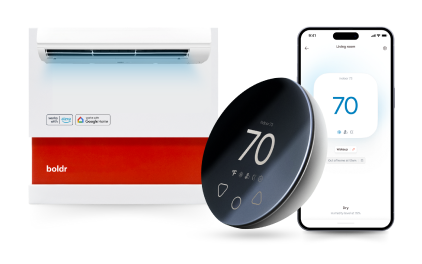
Klima - Smart Home Controller for Mini-splits, Air Conditioners and Heatpumps
Compatible with all brands of ACs and Mini-Splits Automate Climate Management Control remotely Reduce Energy Consumption Monitor bills in realtime
Try NowRecent Articles

Mini-Split Outdoor Unit Clearance 2026 Guide
A mini-split outdoor unit needs air. Lots of it. The condenser pull...
Read More
What Happens if Your Mini-Split Is Too Small?
Most homeowner sizing advice focuses on oversized mini-splits. But ...
Read More
Does a Mini-Split Need a Manual J Load Calculation?
A 500-square-foot room does not automatically need a 12,000 BTU min...
Read More
Signs Your Mini-Split May Have a Refrigerant Leak
A mini-split does not normally “use up” refrigerant the way a car u...
Read More
Mini-Split Minimum Capacity: Why It Matters
When homeowners compare mini-splits, they normally look at the bigg...
Read More