







HSPF2 (Heating Seasonal Performance Factor 2) is the efficiency rating that determines how much a mini-split will cost to heat your home through the winter. While most homeowners focus on SEER2 (cooling efficiency), HSPF2 has an equal or greater impact on annual electricity costs in any climate where heating is used for more than a few months. This guide explains what HSPF2 means, how it compares to the old HSPF, and what rating to look for when buying in 2026.
Compatible with all brands of ACs and Mini-Splits
Automate Climate Management
Control remotely
Reduce Energy Consumption
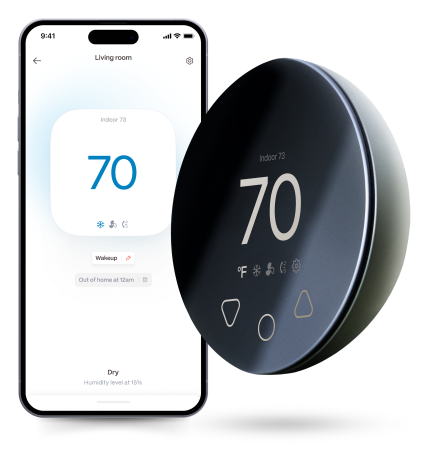
Monitor bills in realtimeKlima - Smart Home Thermostat for Mini-splits, Air Conditioners and Heatpumps
What HSPF2 Means
HSPF2 measures the total heat output of a system (in BTU) divided by the total electricity it consumes (in watt-hours) across a full representative heating season. A higher number means more heat per unit of electricity — lower heating bills for the same winter conditions.
An HSPF2 of 10 means the system delivers 10 BTU of heat for every watt-hour of electricity consumed — equivalent to an average seasonal COP of approximately 2.93 (10 ÷ 3.412 = 2.93).
HSPF vs HSPF2: What Changed
| Rating | Test Standard | In Use Since | Typical Reduction |
|---|---|---|---|
| HSPF (original) | AHRI 210/240 (old) | Until Dec 31, 2022 | Baseline |
| HSPF2 | AHRI 210/240-2023 (revised) | From Jan 1, 2023 | ~15% lower than equivalent HSPF |
Quick conversion: Multiply HSPF by 0.85 to approximate HSPF2. Divide HSPF2 by 0.85 to compare to older HSPF-rated products.
What HSPF2 to Look for in 2026
| HSPF2 Rating | Category | IRA Rebate Eligible? |
|---|---|---|
| Below 8.1 | Below minimum standard | No |
| 8.1–9.0 | Minimum qualifying | Yes — Section 25C basic |
| 9.0–10.0 | Good efficiency | Yes |
| 10.0–12.0+ | Premium — cold-climate models | Yes — maximum incentives |
HSPF2 and Cold Climate Performance
HSPF2 is a seasonal average — it does not tell you what the system does at any specific temperature. A system with HSPF2 12 delivers that efficiency on average across the full heating season, but its COP at −20°C may be only 1.8 while its COP at 0°C is 3.5. For cold-climate buyers, HSPF2 is a useful comparison metric but should be complemented by checking the manufacturer's published heating capacity retention at your design temperature (typically found in the product's extended performance data).
Annual Heating Cost Estimate by HSPF2
Heating a 1,200 sq ft home in Climate Zone 5 (Chicago, Toronto area) requiring approximately 30 million BTU/year:
| HSPF2 | Annual kWh | Annual Cost ($0.16/kWh) |
|---|---|---|
| 8.1 | 10,846 kWh | $1,735 |
| 10.0 | 8,785 kWh | $1,406 |
| 12.0 | 7,321 kWh | $1,171 |
The difference between HSPF2 8.1 and 12.0 is approximately $564/year — meaningful over a 15-year system life ($8,460 in savings).
Frequently Asked Questions
Does Canada use HSPF2?
No — Canada still uses the original HSPF rating. When comparing Canadian and US products, account for the ~15% test methodology difference: a Canadian product rated HSPF 10 is approximately equivalent to a US product rated HSPF2 8.5. NRCan's eligible equipment list uses the Canadian HSPF standard for rebate qualification.
Related reading:
→ SEER vs SEER2: What Changed and Why It Matters in 2026
→ Mini-Split Heat Pump COP: What It Means and Why It Matters
→ Mini-Split Federal Tax Credit 2026: How to Claim $2,000


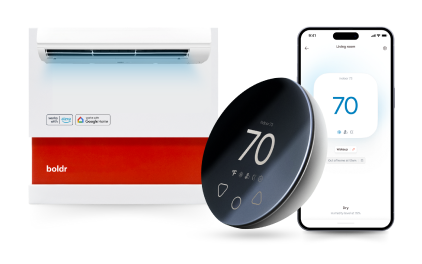
Klima - Smart Home Controller for Mini-splits, Air Conditioners and Heatpumps
Compatible with all brands of ACs and Mini-Splits Automate Climate Management Control remotely Reduce Energy Consumption Monitor bills in realtime
Try NowRecent Articles

Mini-Split Outdoor Unit Clearance 2026 Guide
A mini-split outdoor unit needs air. Lots of it. The condenser pull...
Read More
What Happens if Your Mini-Split Is Too Small?
Most homeowner sizing advice focuses on oversized mini-splits. But ...
Read More
Does a Mini-Split Need a Manual J Load Calculation?
A 500-square-foot room does not automatically need a 12,000 BTU min...
Read More
Signs Your Mini-Split May Have a Refrigerant Leak
A mini-split does not normally “use up” refrigerant the way a car u...
Read More
Mini-Split Minimum Capacity: Why It Matters
When homeowners compare mini-splits, they normally look at the bigg...
Read More