





If your mini-split is running but not cooling, the most common cause is a dirty or clogged air filter restricting airflow. Other frequent causes include the unit being set to the wrong mode, low refrigerant, a frozen evaporator coil, or a blocked outdoor unit. Most of these can be diagnosed and resolved without a service call — work through the list below in order before contacting a technician.
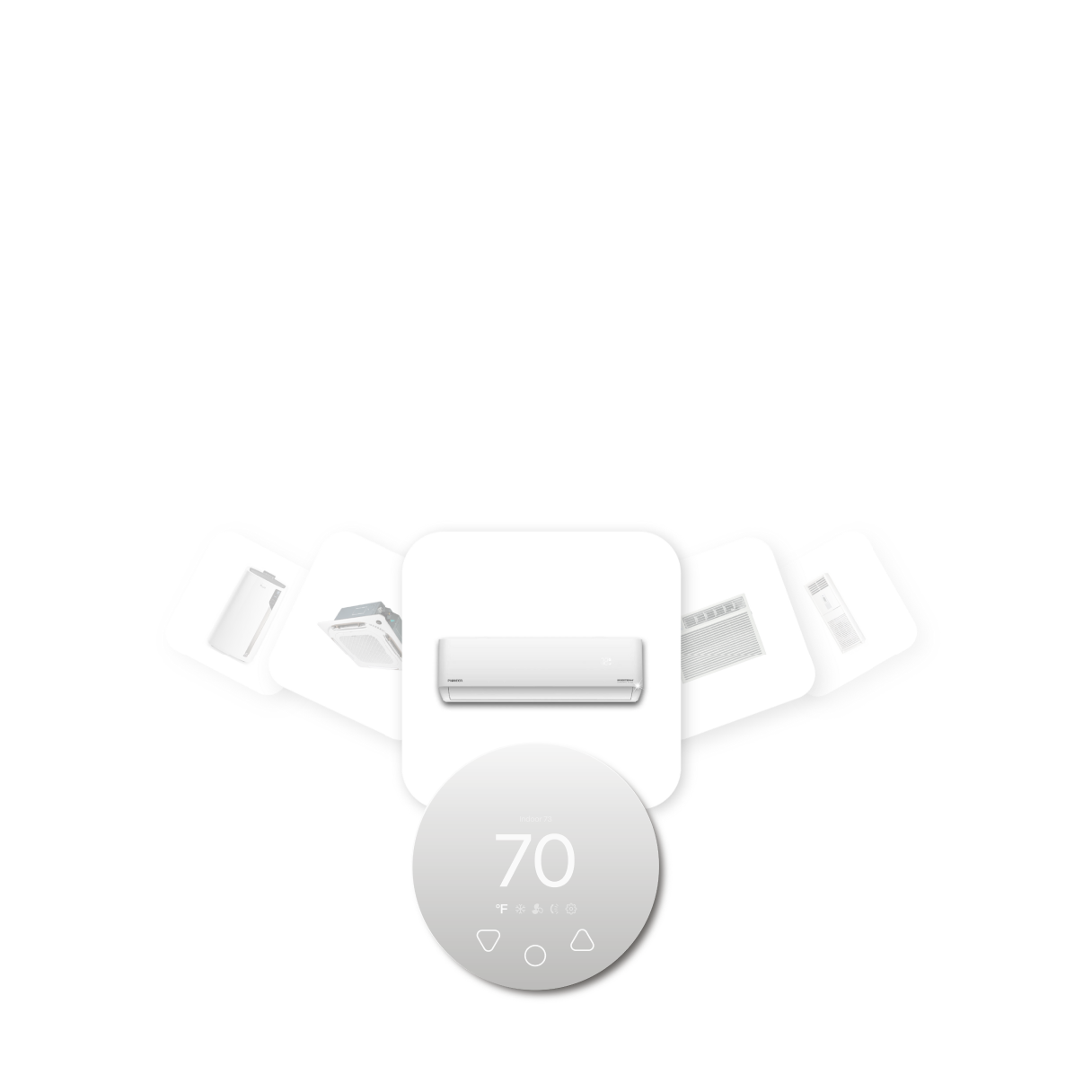
Compatible with all brands of ACs and Mini-Splits
Automate Climate Management
Control remotely
Reduce Energy Consumption
Monitor bills in realtimeKlima - Smart Home Thermostat for Mini-splits, Air Conditioners and Heatpumps
1. Dirty or Clogged Air Filter
The most common cause of poor cooling. A clogged filter restricts airflow so severely the unit cannot cool effectively.
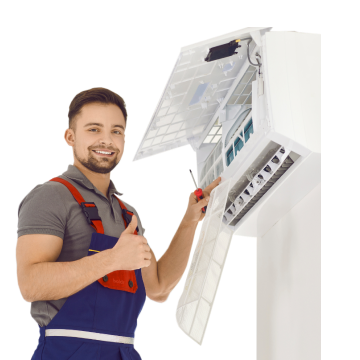
Fix: Open the front panel of the indoor unit and slide out the mesh filter screens. Rinse under lukewarm water until clean, shake off excess water, let dry completely, and reinstall. Clean filters every two to four weeks during active use seasons.
2. Wrong Operating Mode
Mini-splits have multiple modes: Cool, Heat, Dry, Fan Only, and Auto. If set to Heat, Dry, or Fan Only, the unit will not produce cold air regardless of the temperature setting.
Fix: Press the Mode button on your remote until the snowflake symbol (❄) or "Cool" appears on the display. Set the temperature below the current room temperature. The compressor should engage within 2–3 minutes.
3. Temperature Set Too High
If the setpoint is at or above the current room temperature, the unit has no reason to activate cooling.
Fix: Lower the set temperature at least 3–5°F (1–3°C) below the current room temperature and wait 2–3 minutes for the compressor to engage.
4. Low Refrigerant (Refrigerant Leak)
Refrigerant carries heat from inside the room to the outdoors. A leak causes reduced cooling capacity, continuous running without reaching temperature, and ice forming on the indoor unit or lines.
Fix: This requires a licensed HVAC technician. Refrigerant cannot legally be added by unlicensed individuals in the US or Canada. A technician finds and repairs the leak, then recharges the system. Expect $200–$600 for a recharge plus $100–$400 for leak detection and repair.
5. Frozen Evaporator Coil
When airflow is restricted (dirty filter, blocked vents) or refrigerant is low, the evaporator coil can freeze. A frozen coil cannot absorb heat — the unit blows warm or room-temperature air.
Fix: Turn the unit off and switch to Fan Only mode for 2–3 hours to defrost the coil. Never use a heat gun or hairdryer. Once defrosted, clean the filter and restart in Cool mode. If freezing recurs, call a technician to check refrigerant levels.
6. Blocked or Dirty Outdoor Unit
The outdoor compressor releases heat extracted from your home. If surrounded by debris, plants, or snow, it cannot expel heat efficiently and cooling performance drops.
Fix: Turn off the system. Clear at least 18–24 inches of clearance around all sides of the outdoor unit. Remove debris from the fins using a garden hose on low pressure — never a pressure washer.
7. Unit in Defrost Mode
When the outdoor unit frosts over, some mini-splits automatically run a defrost cycle. During this 3–10 minute process, the indoor unit temporarily blows warm or neutral air — this is normal and expected.
Fix: Wait 10–15 minutes. Normal cooling resumes automatically. If defrost cycles occur frequently in warm weather, call a technician — this indicates a refrigerant or sensor issue.
8. Thermostat Sensor Issue
The indoor unit's sensor measures room temperature. If dirty, in direct sunlight, or malfunctioning, the unit may not cool when expected.
Fix: Ensure nothing blocks the sensor area on the indoor unit. Wipe the front of the unit with a dry cloth. If the problem persists, check for error codes on the display.
9. Undersized Unit for the Space
A mini-split that is too small for the room will run continuously without reaching the set temperature in hot weather or poorly insulated spaces.
Fix: Check the unit's BTU rating against your room's requirements (approximately 20 BTU per sq ft as a starting point, adjusted for insulation and sun exposure). If consistently undersized, installing a larger or supplemental unit is the long-term solution.
10. Electrical or Compressor Issue
If the indoor unit blows air but the outdoor compressor is not running, the unit will not cool. Common causes include a tripped breaker, a failed capacitor, or a compressor fault.
Fix: Check the circuit breaker for the outdoor unit and reset if tripped. If the breaker trips again immediately, do not reset — this indicates an electrical fault requiring a technician.
What Is the Boldr Smart Controller?
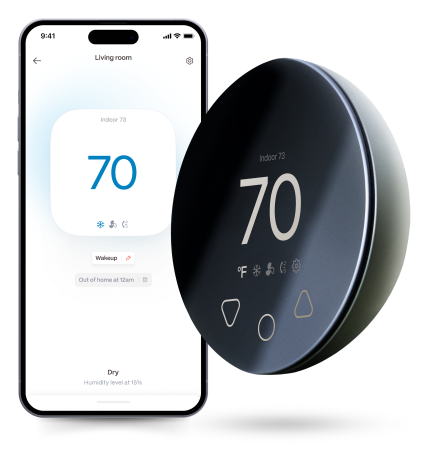
The Boldr Smart Controller includes Guardian Mode — a health monitoring feature that tracks your mini-split's operating patterns and alerts you when something is off. If your unit is running longer than usual to reach temperature, or consuming more power than expected, Klima catches the early signs before they become expensive repairs. Klima also shows your unit's current mode, temperature setting, and energy use in real time from your phone — so a mode error like accidentally leaving it in Heat is visible and correctable from anywhere.
→ Learn about Klima's Guardian Health Monitoring
Frequently Asked Questions
Why is my mini-split running but not cooling?
The most likely causes are a dirty filter, incorrect mode setting (Heat or Fan Only instead of Cool), or a frozen coil. Start by checking the mode display on the remote, then clean the filter. If neither resolves it, check whether the outdoor unit compressor is running.
How do I know if my mini-split is low on refrigerant?
Signs include ice forming on the indoor unit or refrigerant lines, a hissing sound near the outdoor unit, the unit running continuously without reaching the set temperature, and noticeably reduced airflow from the indoor unit.
Can I add refrigerant to my mini-split myself?
No. In the US, handling refrigerants requires EPA 608 certification. In Canada, equivalent provincial credentials are required. Adding refrigerant without first finding and repairing the leak is also ineffective — the refrigerant will escape again.
How do I reset my mini-split when it won't cool?
Turn the unit off using the remote. Switch off the circuit breaker for 30 seconds, then restore power. Wait 3 minutes before restarting — many compressors have a built-in delay timer. If an error code appears after restart, refer to your brand's error code guide.
Related reading:
→ How to Clean a Mini-Split Filter (Takes 5 Minutes)
→ Mini-Split Error Codes: Complete Guide by Brand
→ Mini-Split Not Heating? 8 Common Causes and Fixes


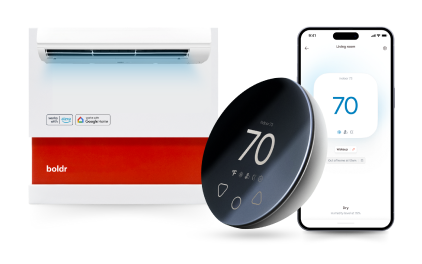
Klima - Smart Home Controller for Mini-splits, Air Conditioners and Heatpumps
Compatible with all brands of ACs and Mini-Splits Automate Climate Management Control remotely Reduce Energy Consumption Monitor bills in realtime
Try NowRecent Articles

Mini-Split Outdoor Unit Clearance 2026 Guide
A mini-split outdoor unit needs air. Lots of it. The condenser pull...
Read More
What Happens if Your Mini-Split Is Too Small?
Most homeowner sizing advice focuses on oversized mini-splits. But ...
Read More
Does a Mini-Split Need a Manual J Load Calculation?
A 500-square-foot room does not automatically need a 12,000 BTU min...
Read More
Signs Your Mini-Split May Have a Refrigerant Leak
A mini-split does not normally “use up” refrigerant the way a car u...
Read More
Mini-Split Minimum Capacity: Why It Matters
When homeowners compare mini-splits, they normally look at the bigg...
Read More