







A mini-split heat pump typically pays for itself in 3–8 years through reduced energy costs, depending on what system it is replacing, local electricity and fuel prices, climate, and system size. For homeowners replacing electric resistance heat (baseboard, electric furnace), payback is often 3–5 years. For homes replacing efficient gas furnaces in markets with low natural gas prices, payback may extend to 6–10 years. This guide walks through how to calculate ROI for your specific situation.
Compatible with all brands of ACs and Mini-Splits
Automate Climate Management
Control remotely
Reduce Energy Consumption
Monitor bills in realtimeKlima - Smart Home Thermostat for Mini-splits, Air Conditioners and Heatpumps

How to Calculate Mini-Split ROI
The formula is straightforward:
Payback period (years) = Total installed cost ÷ Annual energy savings
Where annual energy savings = (Old system annual cost − New mini-split annual cost)
Example ROI Calculations
| Scenario | Old System Annual Cost | Mini-Split Annual Cost | Annual Savings | Installed Cost | Payback |
|---|---|---|---|---|---|
| Electric baseboard → mini-split (1,200 sq ft, Zone 5) | $2,200 | $750 | $1,450 | $5,500 | 3.8 years |
| Window AC + gas heat → mini-split (900 sq ft, Zone 4) | $1,600 | $600 | $1,000 | $4,000 | 4.0 years |
| Gas furnace + central AC → mini-split (1,500 sq ft, Zone 5) | $2,000 | $900 | $1,100 | $11,000 | 10 years |
Factors That Improve ROI
- High electricity rates: In states/provinces above $0.20/kWh, the efficiency advantage of a heat pump over any resistance heating system is amplified
- Replacing electric resistance heat: The largest potential savings are against baseboard heaters and electric furnaces — a mini-split can deliver the same heat for 50–75% less electricity
- Federal and state rebates: The $2,000 IRA federal tax credit and state/utility rebates reduce effective installed cost, directly shortening payback
- Eliminating window ACs: If the mini-split also replaces separate cooling equipment, the combined savings accelerate payback
- High usage: Year-round use in extreme climates produces more savings than seasonal use in mild climates
Frequently Asked Questions
Does a mini-split add value to a home?
Generally yes — particularly in markets where ductless systems are common and valued (New England, Pacific Northwest, Canada). Appraisers and real estate agents in these markets typically view a quality mini-split installation as a value-adding improvement. In markets where central forced air is the expectation, the value impact is more neutral. A well-installed multi-zone system that provides whole-home comfort is most likely to be recognised positively in an appraisal or sale.
Should I count the IRA tax credit in my ROI calculation?
Yes — the IRA Section 25C credit (up to $2,000) directly reduces your net installed cost. If your total installed cost is $6,000 and you receive a $2,000 credit, your effective cost basis is $4,000, which is what should be used in the payback calculation. Always consult a tax professional to confirm eligibility for your specific situation.
Related reading:
→ Do Mini-Splits Save Money? Real Numbers for US and Canada
→ Mini-Split Running Cost Per Month: Real Numbers by Size
→ Are Mini-Splits Worth It? Honest 2026 Cost-Benefit Analysis


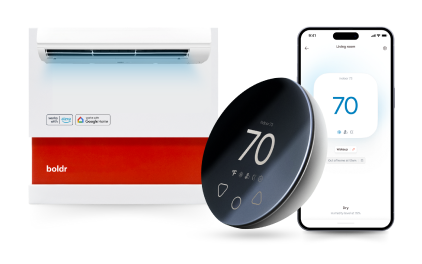
Klima - Smart Home Controller for Mini-splits, Air Conditioners and Heatpumps
Compatible with all brands of ACs and Mini-Splits Automate Climate Management Control remotely Reduce Energy Consumption Monitor bills in realtime
Try NowRecent Articles

Mini-Split Outdoor Unit Clearance 2026 Guide
A mini-split outdoor unit needs air. Lots of it. The condenser pull...
Read More
What Happens if Your Mini-Split Is Too Small?
Most homeowner sizing advice focuses on oversized mini-splits. But ...
Read More
Does a Mini-Split Need a Manual J Load Calculation?
A 500-square-foot room does not automatically need a 12,000 BTU min...
Read More
Signs Your Mini-Split May Have a Refrigerant Leak
A mini-split does not normally “use up” refrigerant the way a car u...
Read More
Mini-Split Minimum Capacity: Why It Matters
When homeowners compare mini-splits, they normally look at the bigg...
Read More