





A mini-split heat pump is significantly cheaper to run than electric baseboard heat — typically 50–70% less per month for the same heating output. The reason comes down to fundamental efficiency: baseboard heaters convert electricity to heat at a 1-to-1 ratio, while mini-split heat pumps deliver 2.5 to 4 times more heat per watt of electricity consumed. This guide breaks down the real numbers for US and Canadian homes.
Direct Cost Comparison
For a typical 500 sq ft room requiring 10,000 BTU of heat output for 8 hours per day during the heating season:
| System | Hourly Watts | Monthly kWh | Monthly Cost ($0.16/kWh) |
|---|---|---|---|
| Electric baseboard | 2,930W (full output) | 700–850 kWh | $112–$136 |
| Mini-split heat pump (COP 3.0) | 975W (average) | 235–280 kWh | $38–$45 |
| Savings with mini-split | 67% less | ~500 kWh less | $70–$90 per month |
Annual savings typically total $500–$1,500 per year for a whole home replacing baseboard heat with mini-splits — and more in colder regions or markets with higher electricity rates.
Why Mini-Splits Are So Much More Efficient
Electric baseboard heaters use electric resistance heating — electricity passes through a resistive element and generates heat at 100% efficiency. Every watt of electricity becomes one watt of heat. This is the Coefficient of Performance (COP) of 1.0.
Mini-split heat pumps do not generate heat directly. Instead, they move heat from outside to inside using refrigerant, a compressor, and two heat exchangers. Even in cold weather, there is heat energy in outdoor air that the heat pump can extract and transfer indoors. A modern inverter heat pump delivers 2.5–4.0 watts of heat for every 1 watt of electricity — a COP of 2.5 to 4.0.
| System | COP (Efficiency) | Heat Output per kWh |
|---|---|---|
| Electric baseboard | 1.0 | 3,412 BTU |
| Mini-split (moderate climate) | 3.0–4.0 | 10,000–13,600 BTU |
| Mini-split (cold climate, below 0°F) | 2.0–2.5 | 6,800–8,500 BTU |
When Baseboard Heat May Still Make Sense
- Very small spaces or occasional use. For a rarely used room — a guest bedroom, seasonal cabin, or supplemental heat for one small area — the low upfront cost of baseboard ($50–$300 per heater) may be more practical than the $2,500–$5,000 installed cost of a mini-split.
- Renters. Baseboard heaters are often already installed in apartments. Renters generally cannot install mini-splits without landlord approval.
- Backup heat. Existing baseboards can serve as backup heating for the coldest days when a mini-split's capacity is limited.
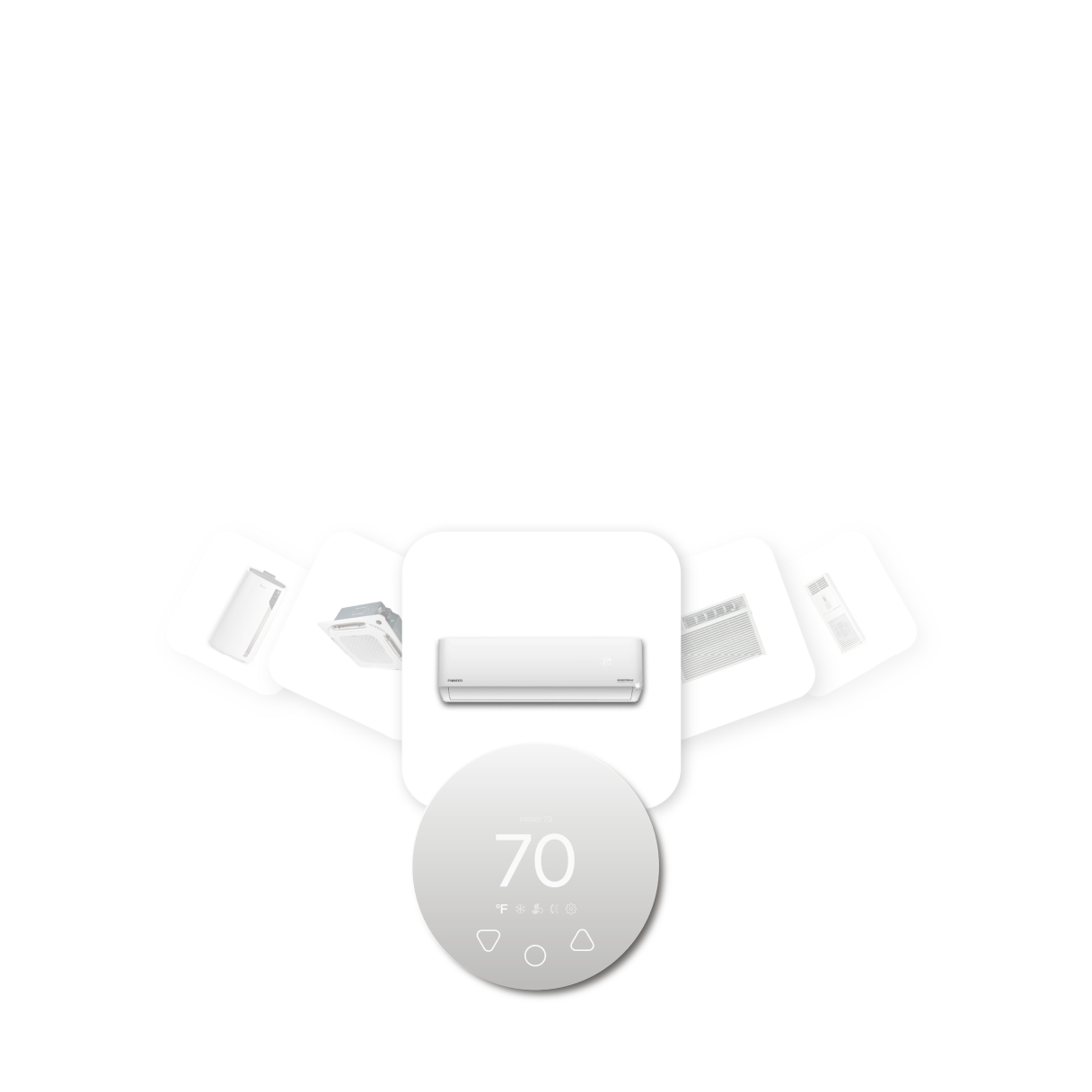
Compatible with all brands of ACs and Mini-Splits
Automate Climate Management
Control remotely
Reduce Energy Consumption
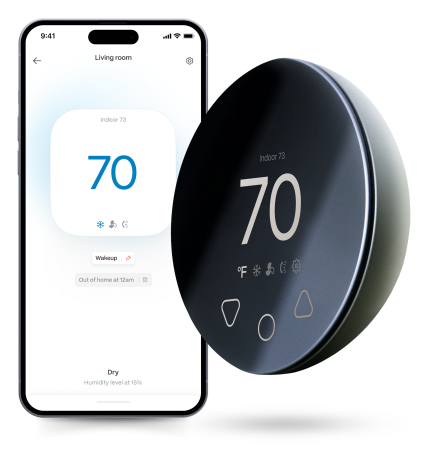
Monitor bills in realtimeKlima - Smart Home Thermostat for Mini-splits, Air Conditioners and Heatpumps
Upfront Cost vs Long-Term Savings
| Factor | Baseboard | Mini-Split |
|---|---|---|
| Installed cost per room | $200–$500 | $2,500–$5,000 |
| Annual heating cost (single room) | $500–$900 | $180–$400 |
| Also provides cooling? | No | Yes |
| Lifespan | 20+ years | 15–20 years |
| Typical payback period | — | 3–5 years (heating savings) |
Rebates That Accelerate Payback
In the US, qualifying mini-split heat pumps are eligible for a federal tax credit of up to $2,000 under the Inflation Reduction Act. Many state and utility programs offer additional rebates of $500–$3,000 for homeowners replacing electric baseboard heat.
In Canada, the federal Greener Homes Grant and various provincial programs (Ontario, BC, Nova Scotia, Quebec) offer rebates ranging from CAD $1,000 to CAD $6,500 for heat pump installations — often specifically targeted at homes currently using baseboard heat.
With rebates, the effective upfront cost of a mini-split can drop by 30–60%, making the payback period even faster.
Frequently Asked Questions
How much can I save switching from baseboard to mini-split?
For a whole home, expect to save $500–$1,500 per year on heating costs — sometimes more in very cold regions or areas with high electricity rates. The savings depend on your home's size, climate, and current usage patterns.
Do mini-splits work as the only heat source in cold climates?
Modern cold-climate mini-splits work as the primary heat source down to approximately −13°F to −22°F depending on the model. In extremely cold regions, some homeowners keep existing baseboards as backup for the coldest days, but the mini-split handles 85–95% of heating hours.
Is it worth replacing baseboard heat with a mini-split?
For most homeowners with electric baseboard heat, yes. The combination of significant operating cost savings, the addition of cooling, and available rebates makes mini-splits one of the highest-return HVAC upgrades. Payback periods of 3–5 years are common — after which the savings continue for the life of the system.


Klima - Smart Home Controller for Mini-splits, Air Conditioners and Heatpumps
Compatible with all brands of ACs and Mini-Splits Automate Climate Management Control remotely Reduce Energy Consumption Monitor bills in realtime
Try NowRecent Articles

How to Heat an ADU or Guest House: Heat Options
An accessory dwelling unit, a backyard guest house or an in-law su...
Read More
What Is the Safest Type of Space Heater? (2026)
What Is the Safest Type of Space Heater? There isn't a single safe...
Read More
Why Is This Room Always Cold? The Real Fixes, in Order
The instinct when a room runs cold is to buy a heater. The better ...
Read More
Best Heater for Airbnb; Rental Properties, No Install
Best Heater for Airbnb & Rental Properties (No Permanent Insta...
Read More
How to Heat a Basement That's Always Cold
A basement runs cold for a different reason than a drafty upstairs...
Read More