







Mini-split heat pumps and geothermal (ground-source) heat pumps both move heat using a refrigerant circuit — the difference is where they source that heat. Mini-splits extract heat from outdoor air; geothermal systems extract heat from the ground, where temperatures are stable year-round. This stability gives geothermal a significant efficiency advantage in extreme climates — at a dramatically higher upfront cost. This guide presents an objective comparison for homeowners weighing both options.
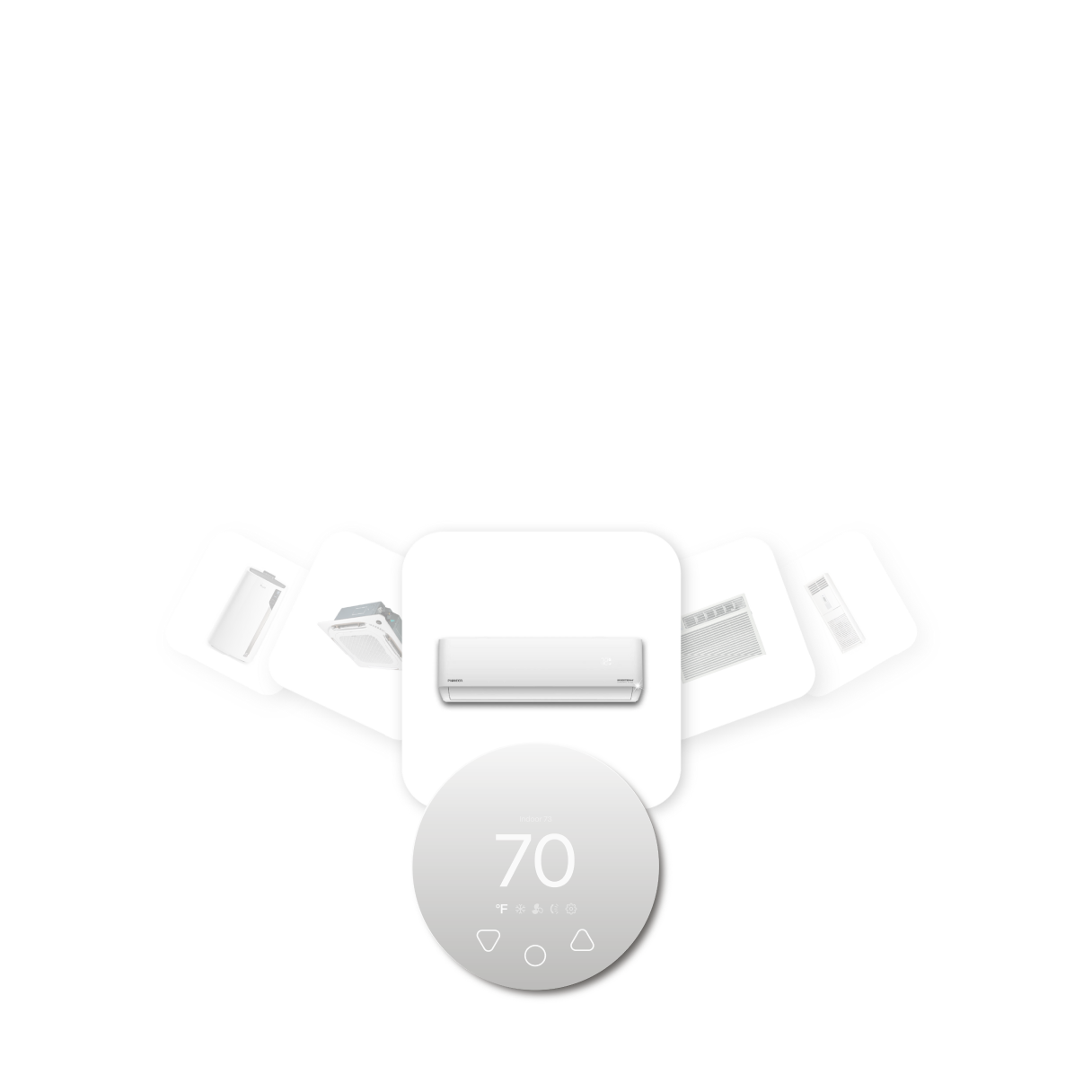
Compatible with all brands of ACs and Mini-Splits
Automate Climate Management
Control remotely
Reduce Energy Consumption
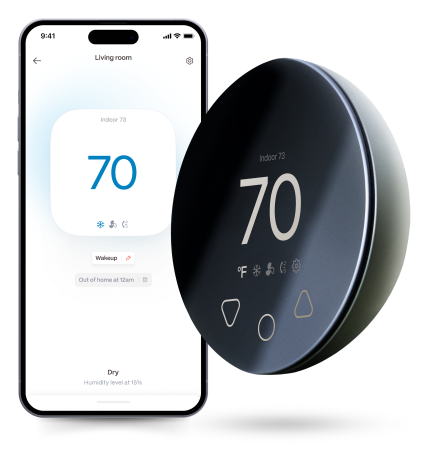
Monitor bills in realtimeKlima - Smart Home Thermostat for Mini-splits, Air Conditioners and Heatpumps
Side-by-Side Comparison
| Factor | Mini-Split (Air-Source) | Geothermal (Ground-Source) |
|---|---|---|
| Heat source | Outdoor air (variable temperature) | Ground (stable 45–55°F year-round) |
| Installed cost | $3,500–$6,000 per zone | $15,000–$35,000+ for a whole-home system |
| Heating COP (average) | 2.0–4.0 (varies with outdoor temp) | 3.0–5.0 (stable due to ground temp) |
| Performance in extreme cold | Reduces as temperature drops; cold-climate models to −25°C | Stable — ground temperature unaffected by air temperature |
| Installation disruption | Minimal — 3-inch wall penetration | Major — ground loop installation requires significant excavation or drilling |
| Land requirements | None | Horizontal loop: 1,500–3,000 sq ft per ton; vertical loop: deep well drilling |
| Lifespan | 15–20 years (outdoor unit) | Ground loop: 50+ years; equipment: 20–25 years |
| Federal tax credit eligibility | Up to $2,000 (IRA Section 25C) | 30% of installed cost (IRA Section 25D — significantly more generous) |
| Payback period | 3–8 years (replacing electric resistance) | 10–20 years (premium over mini-split) |
When Geothermal Is Worth the Premium
- Extreme cold climates where ground loop stability provides meaningful advantage: In regions where air temperatures regularly drop below −25°C, geothermal's stable ground temperature provides more reliable heating performance than even cold-climate air-source units.
- New construction with land access: Installing a ground loop during construction before landscaping minimises disruption cost.
- Very long ownership horizon (15+ years): The economics of geothermal improve significantly over long ownership periods as the ground loop investment amortises and operating cost savings compound.
- Maximising IRA Section 25D credit: The 30% geothermal tax credit can offset $5,000–$10,000 of the premium cost, improving the financial case significantly.
Stay cool and save more. Use code JONES15 to get 15% off your entire order—no strings attached.
Upgrade your comfort with a Klima today.
Frequently Asked Questions
Is geothermal really more efficient than a cold-climate mini-split?
At stable mild temperatures, the efficiency difference is modest. The geothermal advantage grows as air temperatures drop below 0°F — where the ground remains at 45–55°F regardless of how cold the air gets. In the coldest climates, geothermal's stable COP (3.0–5.0) compared to a cold-climate mini-split's declining COP (1.5–2.0 at −25°C) represents a real annual cost difference worth calculating for your specific climate.
Related reading:
→ How Efficient Is a Mini-Split in Winter? Real Numbers
→ Mini-Split Heat Pump COP: What It Means and Why It Matters
→ Do Mini-Splits Save Money? Real Numbers for US and Canada


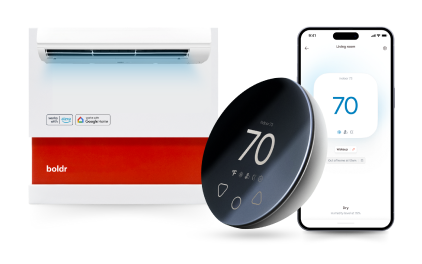
Klima - Smart Home Controller for Mini-splits, Air Conditioners and Heatpumps
Compatible with all brands of ACs and Mini-Splits Automate Climate Management Control remotely Reduce Energy Consumption Monitor bills in realtime
Try NowRecent Articles

Mini-Split Outdoor Unit Clearance 2026 Guide
A mini-split outdoor unit needs air. Lots of it. The condenser pull...
Read More
What Happens if Your Mini-Split Is Too Small?
Most homeowner sizing advice focuses on oversized mini-splits. But ...
Read More
Does a Mini-Split Need a Manual J Load Calculation?
A 500-square-foot room does not automatically need a 12,000 BTU min...
Read More
Signs Your Mini-Split May Have a Refrigerant Leak
A mini-split does not normally “use up” refrigerant the way a car u...
Read More
Mini-Split Minimum Capacity: Why It Matters
When homeowners compare mini-splits, they normally look at the bigg...
Read More