





Mitsubishi Hyper-Heating (H2i) is a cold-climate heat pump technology that maintains full or near-full heating capacity at outdoor temperatures as low as −13°F (−25°C). Standard heat pumps lose significant heating capacity below 20°F — the H2i system is specifically engineered to overcome this limitation. This guide covers how the technology works, which models carry it, and whether the premium over standard Mitsubishi models is worthwhile for your climate.
Compatible with all brands of ACs and Mini-Splits
Automate Climate Management
Control remotely
Reduce Energy Consumption
Monitor bills in realtimeKlima - Smart Home Thermostat for Mini-splits, Air Conditioners and Heatpumps
What Is Hyper-Heating (H2i)?
H2i stands for Hyper-Heating INVERTER. It is Mitsubishi's proprietary enhancement of their standard inverter heat pump that maintains heating output at extreme low temperatures. Key engineering features include:
- Flash injection compressor: Injects refrigerant vapor mid-compression to boost low-temperature heating capacity
- Variable capacity inverter: Adjusts compressor speed continuously for maximum efficiency at any temperature
- Enhanced defrost logic: Faster, more efficient defrost cycles to maintain heating continuity
H2i vs Standard Mitsubishi: Heating Capacity at Low Temperatures
| Outdoor Temperature | Standard M-Series (% of rated capacity) | H2i (% of rated capacity) |
|---|---|---|
| 47°F (8°C) | 100% | 100% |
| 17°F (−8°C) | ~75% | ~100% |
| 0°F (−18°C) | ~50% | ~76% |
| −13°F (−25°C) | Unit may not operate | ~57% |
Which Mitsubishi Models Have H2i?
The H2i technology is included in the MSZ-FH series (wall-mounted) and select MXZ multi-zone outdoor units. The FH series is available in 6,000, 9,000, 12,000, 15,000, and 18,000 BTU configurations. For very large spaces or whole-home multi-zone systems in cold climates, look for the MXZ outdoor units that specifically note H2i or Hyper-Heating capability.
Cost Premium for H2i
The MSZ-FH H2i series typically costs $400–$800 more in equipment than the equivalent standard MSZ-GS model. Installed, the total premium is often $600–$1,200 over a standard model. For homeowners in northern climates who rely on the heat pump as their primary heat source, this premium is generally considered worthwhile — the H2i's ability to heat efficiently through the coldest winter nights can eliminate the need for backup electric resistance heat and reduce heating costs.
Frequently Asked Questions
Is Mitsubishi Hyper-Heating worth the extra cost?
For climates where temperatures regularly drop below 0°F (−18°C), yes. The H2i maintains meaningful heating capacity when standard heat pumps lose significant output. For climates that rarely drop below 10°F (−12°C), the standard M-Series may be sufficient and more cost-effective.
Does H2i work at −22°F?
The rated minimum operating temperature for H2i is −13°F (−25°C). Some installations in extreme northern Canada push below this threshold on the coldest nights. In those cases, supplemental backup heat (electric resistance strips or a retained gas furnace) is typically used for the small number of hours per year when temperatures fall below −13°F.
Is there a Canadian equivalent?
Yes. Mitsubishi markets the H2i line in Canada through the same MSZ-FH product family. Canadian Energy Star and provincial rebate programs recognize H2i models as qualifying high-efficiency heat pumps for most rebate programs.
Related reading:
→ Do Mini-Splits Work in Cold Weather?
→ Mitsubishi Mini-Split Review 2026: Is It Worth the Premium?
→ How Much Does a Mini-Split Cost? Full 2026 Guide


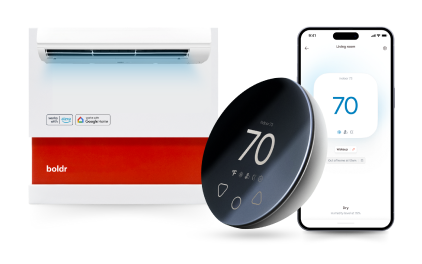
Klima - Smart Home Controller for Mini-splits, Air Conditioners and Heatpumps
Compatible with all brands of ACs and Mini-Splits Automate Climate Management Control remotely Reduce Energy Consumption Monitor bills in realtime
Try NowRecent Articles

Mini-Split Outdoor Unit Clearance 2026 Guide
A mini-split outdoor unit needs air. Lots of it. The condenser pull...
Read More
What Happens if Your Mini-Split Is Too Small?
Most homeowner sizing advice focuses on oversized mini-splits. But ...
Read More
Does a Mini-Split Need a Manual J Load Calculation?
A 500-square-foot room does not automatically need a 12,000 BTU min...
Read More
Signs Your Mini-Split May Have a Refrigerant Leak
A mini-split does not normally “use up” refrigerant the way a car u...
Read More
Mini-Split Minimum Capacity: Why It Matters
When homeowners compare mini-splits, they normally look at the bigg...
Read More