





A basement runs cold for a different reason than a drafty upstairs bedroom does. A bedroom loses heat mostly through air leaks and poor insulation around windows and doors. A basement loses it through mass — the concrete slab and foundation walls sit in direct contact with the surrounding earth, which stays around 50–60°F year-round regardless of how warm the air above it gets. That's why a basement can read a reasonable air temperature on a thermostat and still feel cold: the cold isn't just in the air, it's radiating up from the floor and in through the walls.
Pointing a heater at the air in a basement without addressing that first is why basement heating often feels like it underperforms compared to the same heater in any other room.
30% more cost effective than traditional heaters
Smart functions to automate home climate
Control remotely
Maintenance Free
Easy 5 minute installation
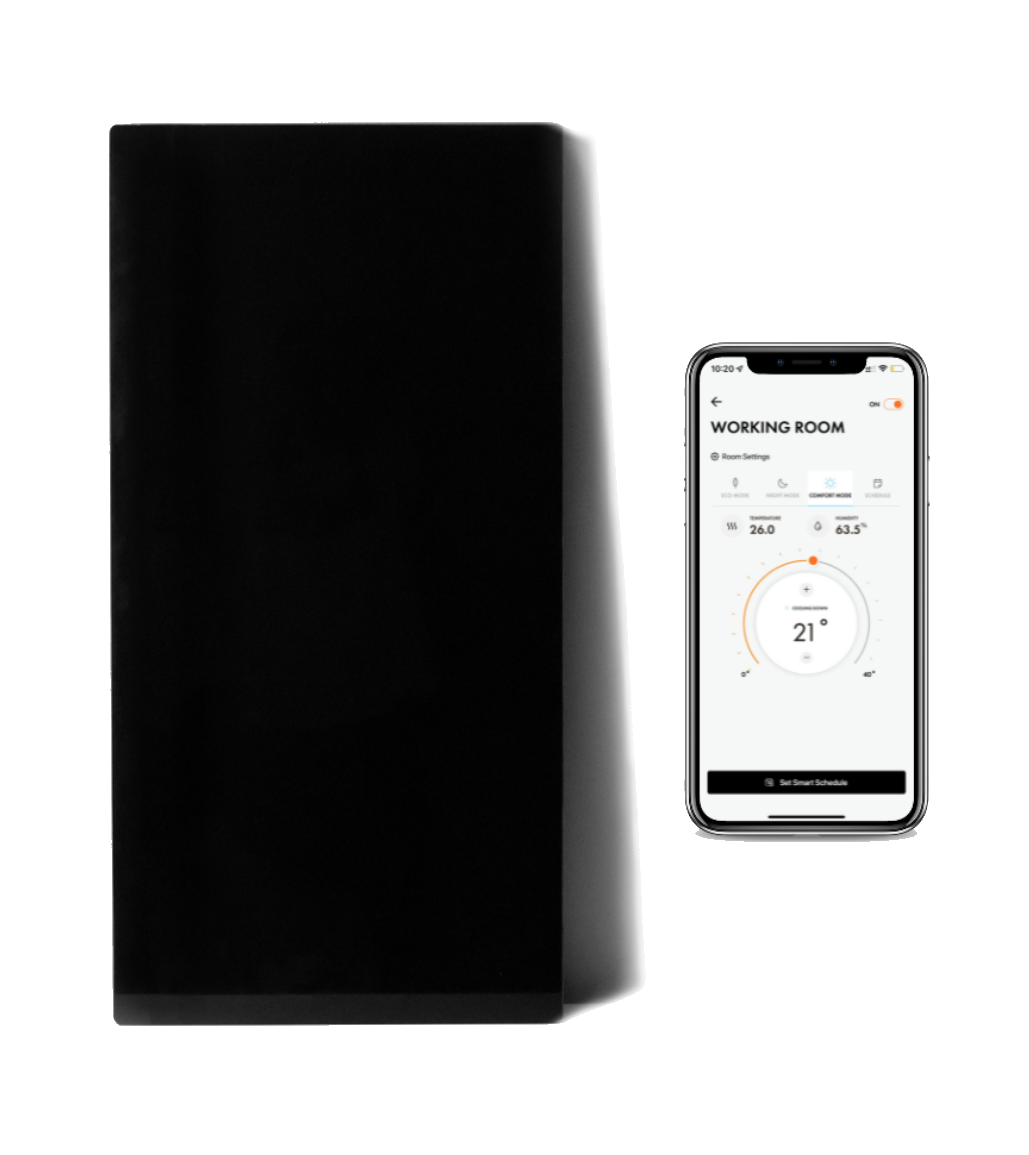
Kelvin - cost effective, smart electric heater
Stay warm and save more. Use code JONES15 to get 15% off your entire order—no strings attached.
Upgrade your comfort with a Kelvin today
Fix the Mass Before You Fix the Air
1. Insulate the foundation walls first. Rigid foam insulation installed directly against below-grade concrete walls is the standard approach — it breaks the direct thermal contact between the cold mass of the earth-facing wall and the room's air. This is the single highest-leverage fix, and it has to happen before anything else makes a meaningful difference.
2. Address the floor separately. A concrete slab underfoot keeps radiating cold upward regardless of air temperature. Options range from interlocking subfloor panels with a built-in thermal break (a moderate-cost retrofit) to in-floor radiant heating installed during a fuller basement finishing project (a bigger investment, but it heats the slab directly rather than working around it).
3. Check for moisture before adding heat, not after. A damp basement feels colder than its thermometer reading, and heating humid air is inefficient regardless of the heater. If there's visible moisture, a musty smell, or condensation on walls or pipes, that's a dehumidifier and moisture-sealing conversation to have before investing in heating — a heater running against persistent dampness will underperform no matter how it's sized.
4. Only then add supplemental heat for daily comfort. Once the mass and moisture issues are addressed, a heater's job becomes what it's actually good at — maintaining comfortable air temperature in a space that's no longer losing heat into the slab and walls underneath it.
Why Basements Are Often a Supplemental-Heat Candidate in the First Place
Central HVAC ductwork frequently reaches a finished basement last and worst — it's typically the longest run from the furnace, with the weakest airflow by the time it gets there. That's a separate problem from the thermal-mass issue above, but it compounds it: even a basement with good wall and floor insulation can still run cooler than the rest of the house if its register is undersized for the space or poorly balanced against the rest of the system.
This is where a zoned, supplemental heater earns its place — not as a replacement for central heat, but as a way to bring a specific finished area (a home office corner, a media room, a guest space) up to comfortable temperature without rebalancing the whole house's ductwork. Kelvin's 700W model covers up to 200 sq ft, wall-mounted with no floor footprint — useful in a basement where floor space is often already committed to storage or furniture layout.
For a basement used as a full living space, year-round, a whole-space solution is the more appropriate scale of investment for that path. This piece is for the insulation-first fixes that matter regardless of which heating system you eventually choose, plus the supplemental-zone option for partial use.
FAQ
Why does my basement feel cold even when the thermostat reads normal?
Because a basement loses heat through the concrete slab and foundation walls, which sit in direct contact with the surrounding earth at roughly 50–60°F year-round — that cold mass radiates into the room independently of the air temperature a thermostat measures.
Should I insulate or heat my basement first?
Insulate first, specifically the foundation walls and floor. Heating a basement before addressing the thermal mass underneath and around it means paying to heat air that's constantly losing warmth into cold concrete.
Does a damp basement need a dehumidifier before a heater?
Generally yes — persistent moisture makes a space feel colder than its actual temperature and reduces a heater's effective performance. Address visible moisture or musty odors before investing in a heating solution.
Is a space heater or a mini-split better for a basement?
Depends on use. A basement used as a full living space daily, year-round, is better served by a whole-space system like a mini-split. A specific zone used for defined periods — an office corner, a media area — is often better served by a scheduled, wall-mounted heater.
Stay warm and save more. Use code JONES15 to get 15% off your entire order—no strings attached.
Upgrade your comfort with a Kelvin today
Bottom Line
A cold basement is usually a mass problem before it's a heating problem — insulate the foundation walls and floor, resolve any moisture issues, and only then add supplemental heat. For a specific zone rather than the whole space, a wall-mounted unit like Kelvin adds heat without taking up floor space that's often already spoken for.


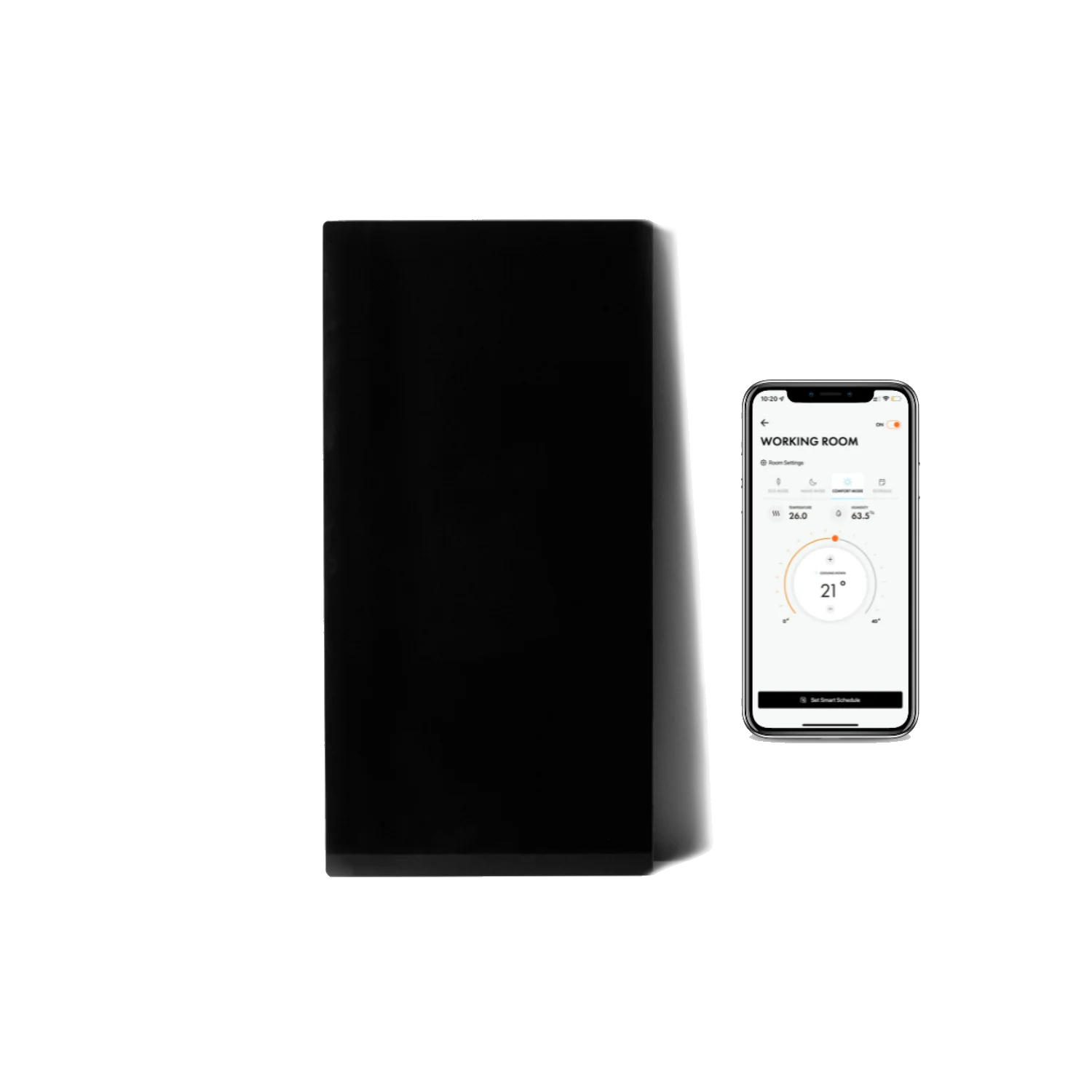
Kelvin - cost effective, smart electric heater
30% more cost effective than traditional heaters Smart functions to automate home climate Control remotely Maintenance Free Easy 5 minute installation
Try NowRecent Articles

How to Heat a Basement That's Always Cold
A basement runs cold for a different reason than a drafty upstairs...
Read More
Extension Cords and Space Heaters: CPSC's Real Warning
Extension Cords and Space Heaters: What CPSC Actually Warns About ...
Read More
Mini-Split Outdoor Unit Clearance 2026 Guide
A mini-split outdoor unit needs air. Lots of it. The condenser pull...
Read More
What Happens if Your Mini-Split Is Too Small?
Most homeowner sizing advice focuses on oversized mini-splits. But ...
Read More
Does a Mini-Split Need a Manual J Load Calculation?
A 500-square-foot room does not automatically need a 12,000 BTU min...
Read More