







A mini-split is a ductless heating and cooling system that consists of an outdoor compressor unit and one or more indoor air handlers connected by a small conduit running through the wall. Unlike central air conditioning, mini-splits require no ductwork, making them ideal for homes without existing ducts, room additions, garages, and spaces where traditional HVAC installation is impractical. A single mini-split can heat or cool a specific zone or room with high efficiency, and modern systems operate at temperatures as low as -13°F (−25°C).

What Is a Mini-Split System?
A mini-split system — also called a ductless mini-split or ductless heat pump — is a two-part HVAC system. The outdoor unit houses the compressor and condenser. The indoor unit (called an air handler or head unit) is mounted on the wall and distributes conditioned air directly into the room. The two units are connected by a refrigerant line, a power cable, and a condensate drain line that pass through a 3-inch hole in the wall. No ductwork is required.
Mini-splits operate using heat pump technology: in cooling mode, they move heat from inside the home to the outdoors; in heating mode, they extract heat from outdoor air and transfer it indoors — even in cold weather. This process is significantly more energy-efficient than electric resistance heating and comparable to or more efficient than natural gas furnaces in many climates.
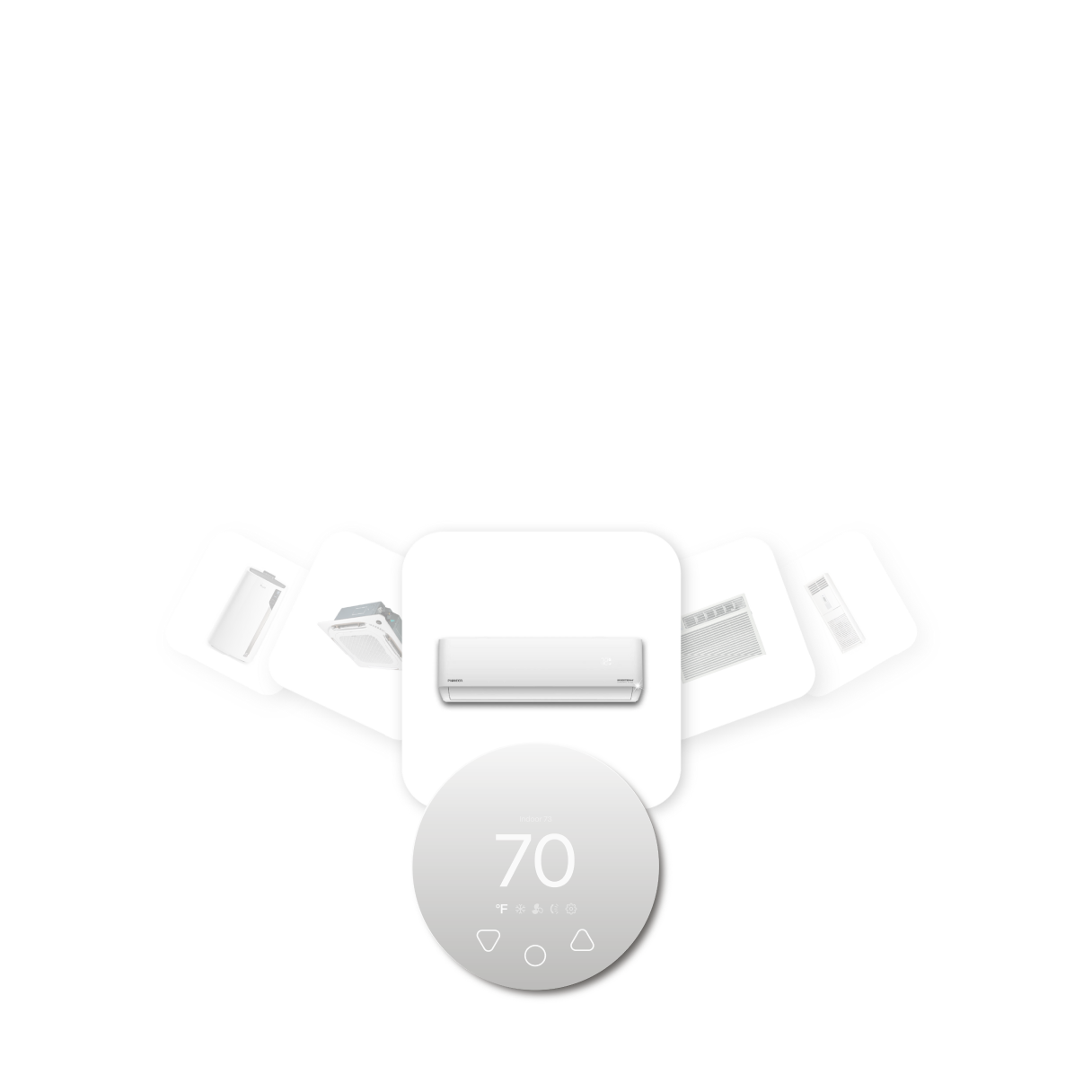
Compatible with all brands of ACs and Mini-Splits
Automate Climate Management
Control remotely
Reduce Energy Consumption
Monitor bills in realtimeKlima - Smart Home Thermostat for Mini-splits, Air Conditioners and Heatpumps
How Does a Mini-Split Work?
Mini-splits use a refrigerant cycle to transfer heat rather than generate it.
- Cooling mode: The indoor unit's evaporator coil absorbs heat from the room air. The refrigerant carries that heat to the outdoor unit, where the compressor releases it outside.
- Heating mode: The process reverses. The outdoor unit extracts heat energy from cold outdoor air and the indoor unit releases it into the room.
- Inverter technology: Most modern mini-splits use variable-speed inverter compressors that adjust output continuously to match demand, rather than cycling on and off. This improves efficiency and comfort significantly.
Single-Zone vs Multi-Zone Mini-Splits
| Feature | Single-Zone | Multi-Zone |
|---|---|---|
| Indoor units | 1 | 2–8 |
| Best for | One room, garage, addition | Whole home, multiple rooms |
| Installed cost (US) | $3,000–$5,500 | $6,000–$20,000+ |
| Independent zone control | N/A | Yes — each room separately |
Types of Mini-Split Indoor Units
- Wall-mounted: Most common. Installed high on the wall, distributes air horizontally. Best for most residential rooms.
- Ceiling cassette: Recessed into the ceiling, distributes air in four directions. Common in commercial and open-plan spaces.
- Floor-mounted: Installed near the floor. Best for rooms with limited wall space or low ceilings.
- Ducted (concealed): Hidden above the ceiling with short duct runs. Combines ductless efficiency with ducted air distribution.
Mini-Split Pros and Cons
| Pros | Cons |
|---|---|
| No ductwork needed | Higher upfront cost than window ACs |
| High efficiency (SEER2 16–30+) | Visible indoor unit on the wall |
| Heats and cools — one system year-round | Refrigerant connection requires a certified technician |
| Works in extreme cold (to -13°F / -25°C) | Each zone needs its own indoor unit |
| Zoned control per room | Outdoor compressor needs clear access |
| Quiet operation — as low as 19 dB indoors | Filters need cleaning every 2–4 weeks |
How Much Does a Mini-Split Cost?
In the United States, a single-zone mini-split costs between $3,000 and $5,500 fully installed by a licensed HVAC contractor. Multi-zone systems for a whole home range from $8,000 to $20,000 or more depending on the number of zones and brands selected. In Canada, expect to add 15–25% to US pricing — a single-zone installed in Ontario or BC typically runs CAD $4,500–$7,500.
Do Mini-Splits Work in Cold Weather?
Yes. Modern cold-climate mini-splits are rated to heat efficiently at outdoor temperatures as low as −13°F (−25°C) and can operate at reduced capacity to −22°F (−30°C). This makes them viable as primary heating systems across most of the continental United States and the majority of Canada. For homeowners in the coldest regions, a backup heating source is still recommended for extreme winter weeks.
How Long Does a Mini-Split Last?
A well-maintained mini-split system typically lasts 15 to 20 years. Annual maintenance — including filter cleaning, coil inspection, and professional servicing — is the single biggest factor in longevity. Filters should be cleaned every two to four weeks during heavy use seasons.

What Is the Boldr Smart Controller?
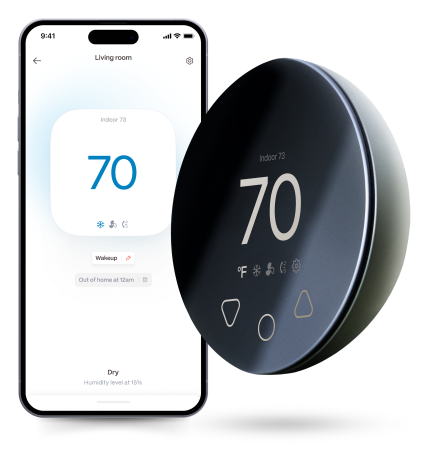
The Boldr Smart Controller is a smart thermostat and controller designed specifically for ductless mini-splits, window ACs, and room air conditioners. Klima plugs into any standard outlet and pairs with your existing AC remote in under three minutes — no wiring, no tools, no electrician required.
Once installed, Boldr Smart Controller gives you full smart control over any mini-split of any brand: remote access from your phone, automated temperature scheduling, geofencing, real-time energy monitoring, and native Apple HomeKit support — meaning you can control your mini-split directly from the Apple Home app and Siri without a third-party hub.
Boldr Smart Controller is compatible with any air conditioner that uses an IR (infrared) remote control, regardless of brand or age — including Mitsubishi, Daikin, Fujitsu, LG, Carrier, Gree, MrCool, Pioneer, and hundreds more.
→ Learn more about the Boldr Smart Controller

Frequently Asked Questions
Do mini-splits heat as well as cool?
Yes. Mini-splits are heat pumps, meaning they both heat and cool. In heating mode, they extract heat from outdoor air and deliver it inside — a process that is two to four times more energy-efficient than electric resistance heating. Most modern mini-splits heat effectively at outdoor temperatures as low as −13°F (−25°C).
Can a mini-split heat an entire house?
Yes, with a multi-zone system. Multiple indoor units are connected to one outdoor compressor, with each unit independently controlled per zone. Whole-home ductless systems are common in homes without existing ductwork, particularly in older homes heated exclusively with baseboards or radiators.
Do mini-splits need professional installation?
The refrigerant connection requires a certified HVAC technician in most US states and all Canadian provinces. Some DIY mini-split systems come pre-charged and are designed for homeowner installation, but even those typically require basic electrical work. Permits are required in many jurisdictions.
Is a mini-split the same as a ductless system?
Yes. "Mini-split" and "ductless" refer to the same category of HVAC equipment. The terms are used interchangeably. "Ductless heat pump" and "ductless AC" describe the same two-part, no-ductwork system.
How often do mini-split filters need cleaning?
Every two to four weeks during heavy use seasons, and at minimum once per month during lighter seasons. Mini-split filters are simple mesh screens that slide out from the indoor unit and can be rinsed under water — it takes about five minutes and requires no tools.
Related reading:
→ How Much Does a Mini-Split Cost? Full 2026 Guide
→ How to Clean a Mini-Split: Step-by-Step Guide
→ Mini-Split Not Cooling? 10 Reasons and Fixes


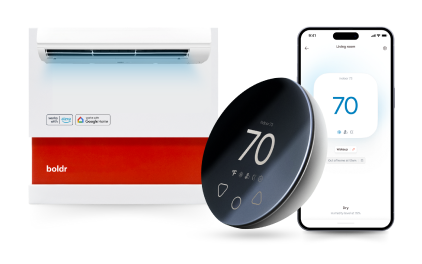
Klima - Smart Home Controller for Mini-splits, Air Conditioners and Heatpumps
Compatible with all brands of ACs and Mini-Splits Automate Climate Management Control remotely Reduce Energy Consumption Monitor bills in realtime
Try NowRecent Articles

Why Is My Mini-Split Leaking Water Indoors?
A mini-split should remove condensation through its drain system du...
Read More
Can You Run a Mini-Split With Solar Panels?
Solar panels can help power a mini-split, but most homes do not con...
Read More
Can a Mini-Split Run on a Generator During a Power Outage?
A mini-split can potentially run from a properly selected generator...
Read More
Mini-Split Defrost Mode Explained: Why Your Heat Stops in Winter
Your mini-split is heating normally when the indoor fan suddenly sl...
Read More
Does a Mini-Split Bring Fresh Air Into the House?
Most conventional wall-mounted mini-splits do not bring fresh outdo...
Read More