







A two-car garage is one of the most common spaces where homeowners install a mini-split — whether for a garage gym, home workshop, hobby space, or simply to keep the attached garage from bleeding extreme temperatures into the house. Sizing a mini-split for a two-car garage requires accounting for the garage's poor insulation, large doors, and any heat-generating activity that takes place inside. This guide covers everything you need to know.
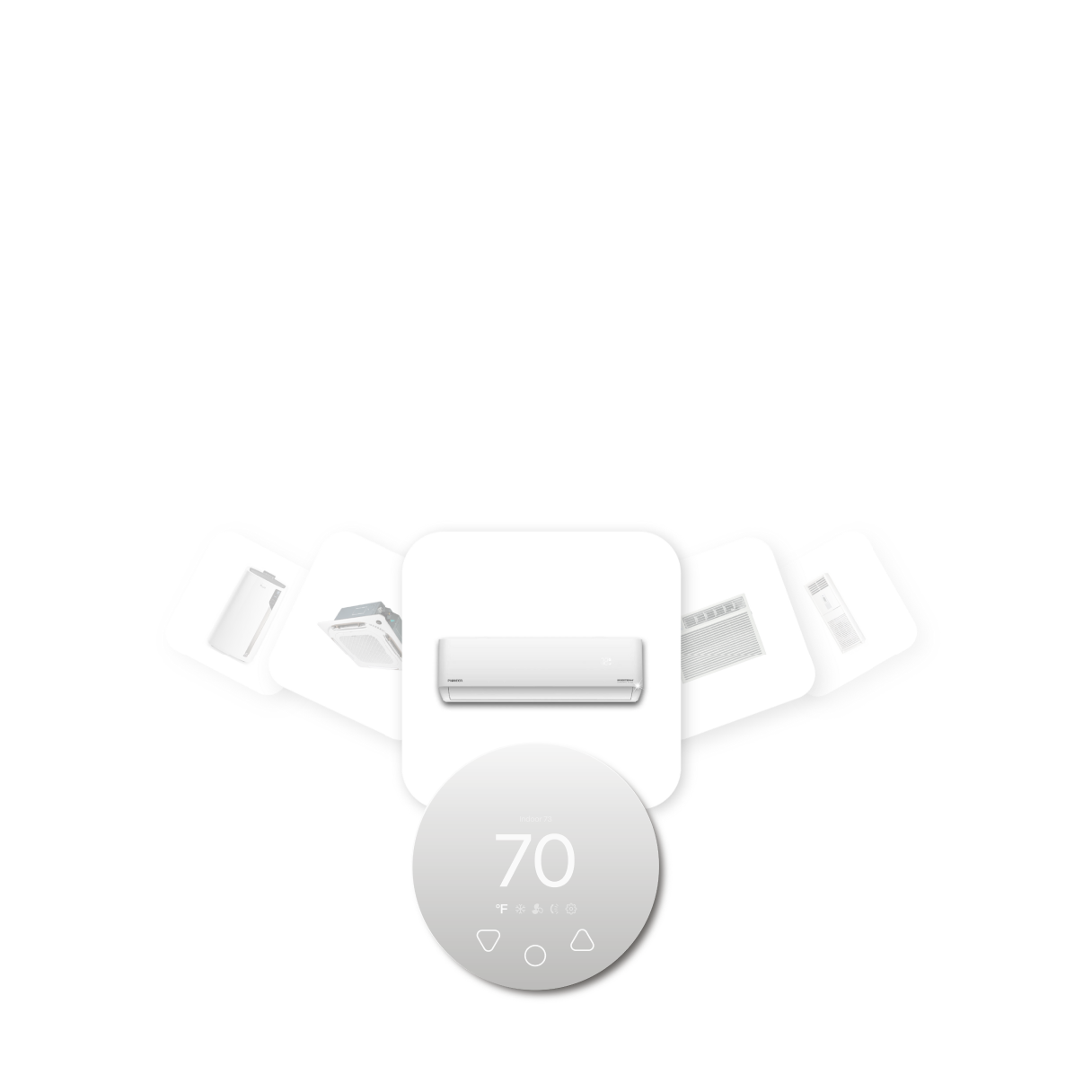
Compatible with all brands of ACs and Mini-Splits
Automate Climate Management
Control remotely
Reduce Energy Consumption
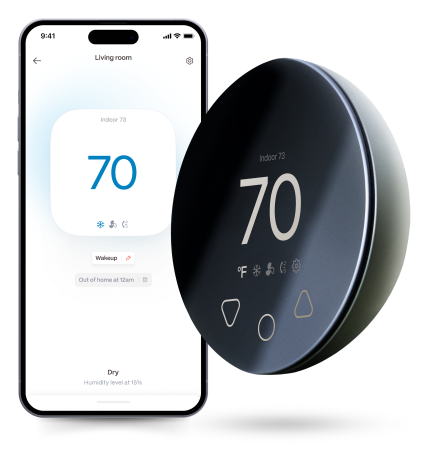
Monitor bills in realtimeKlima - Smart Home Thermostat for Mini-splits, Air Conditioners and Heatpumps
Why Garages Need More BTU Than Standard Rooms
A standard residential room is sized at 15–20 BTU per square foot because it has insulated walls, a well-sealed envelope, and no unusual heat sources. A two-car garage breaks most of these assumptions:
- Garage doors are the largest thermal weak point — even insulated doors transmit significantly more heat and cold than a standard insulated wall
- Concrete slabs conduct cold directly from the ground in winter
- Many garages have minimal wall insulation compared to the rest of the home
- Heat-generating activities (workouts, welding, power tools, car running) add significant internal load
Use 25–35 BTU per square foot for a garage, not the standard 20.
Sizing by Garage Type and Use
| Garage Configuration | Sq Ft | Use | Recommended BTU |
|---|---|---|---|
| Standard 2-car, insulated, storage/parking | 400–500 | Occasional use, light work | 12,000–18,000 BTU |
| Standard 2-car, insulated, gym use | 400–500 | Active exercise 1–4 people | 18,000–24,000 BTU |
| 2-car, uninsulated walls or metal building | 400–500 | Any use | 24,000 BTU |
| 2-car, insulated, workshop with equipment | 400–500 | Power tools, welding, painting | 18,000–24,000 BTU |
Cold-Climate Garages
In Canada and the northern US, a garage used year-round for a workshop or gym needs a cold-climate mini-split — a standard model loses meaningful heating capacity below −10°C, which occurs regularly across most of Canada. Cold-climate models (Mitsubishi H2i, Daikin Aurora, LG LGRED°, Senville AURA) maintain heating to −25°C and keep garages functional on the coldest winter days.
Installation Considerations for Two-Car Garages
- Wall mounting height: Mount the indoor unit high on the wall opposite the garage doors for best air distribution across the full garage footprint
- Outdoor unit placement: Keep it away from the garage door opening to avoid discharge air interference and ensure clearance from vehicle exhaust paths
- Dedicated electrical circuit: The mini-split needs its own 240V circuit; most garages have available panel capacity but confirm before purchasing
- Insulate before installing: Adding insulation to garage walls and the door before installing the mini-split reduces the required BTU capacity and cuts operating costs significantly — the single best investment you can make before adding HVAC
Stay cool and save more. Use code JONES15 to get 15% off your entire order—no strings attached.
Upgrade your comfort with a Klima today.
Frequently Asked Questions
Can I heat a 2-car garage all winter with a mini-split?
Yes — with a properly sized cold-climate model. A 24,000 BTU cold-climate mini-split is adequate for most insulated two-car garages in Canada and the northern US year-round. In the coldest Prairie provinces or northern Quebec, adding insulation and sealing air leaks around the garage door frame maximises performance at extreme temperatures.
How much does it cost to run a mini-split in a garage all winter?
Maintaining a two-car garage at 15°C (60°F) through a cold Canadian winter (say, Ottawa) with a 24,000 BTU cold-climate mini-split costs approximately $300–$600/season depending on your electricity rate and insulation quality — significantly less than propane or electric forced-air heaters doing the same job.
Related reading:
→ Mini-Split for Garage: Sizing, Cost and Best Picks
→ Mini-Split for Garage Gym: Sizing and Best Options
→ Mini-Split for Canadian Garage: What Works in −30°C Winter?


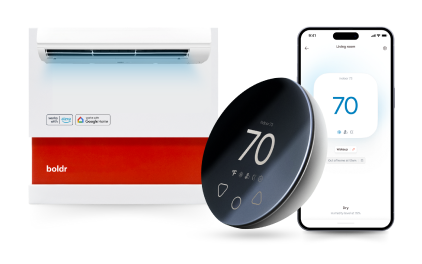
Klima - Smart Home Controller for Mini-splits, Air Conditioners and Heatpumps
Compatible with all brands of ACs and Mini-Splits Automate Climate Management Control remotely Reduce Energy Consumption Monitor bills in realtime
Try NowRecent Articles

Mini-Split Outdoor Unit Clearance 2026 Guide
A mini-split outdoor unit needs air. Lots of it. The condenser pull...
Read More
What Happens if Your Mini-Split Is Too Small?
Most homeowner sizing advice focuses on oversized mini-splits. But ...
Read More
Does a Mini-Split Need a Manual J Load Calculation?
A 500-square-foot room does not automatically need a 12,000 BTU min...
Read More
Signs Your Mini-Split May Have a Refrigerant Leak
A mini-split does not normally “use up” refrigerant the way a car u...
Read More
Mini-Split Minimum Capacity: Why It Matters
When homeowners compare mini-splits, they normally look at the bigg...
Read More