







A mini-split is one of the best HVAC solutions for a sunroom because it handles the unique conditions of a glass-heavy room — high solar gain in summer, rapid heat loss in winter, and typically no connection to the home's central HVAC system. This guide covers sunroom-specific sizing, installation considerations, and what features matter most for year-round comfort.
Compatible with all brands of ACs and Mini-Splits
Automate Climate Management
Control remotely
Reduce Energy Consumption
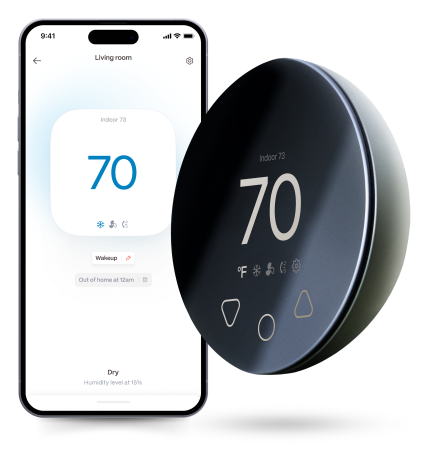
Monitor bills in realtimeKlima - Smart Home Thermostat for Mini-splits, Air Conditioners and Heatpumps
Why Sunrooms Are Difficult to Condition
Sunrooms present extreme temperature swings. Large glass areas create intense solar gain on sunny days — even in winter — pushing indoor temperatures 20–30°F above the rest of the home. At night, those same glass surfaces lose heat rapidly. Standard HVAC ducting is rarely extended to sunrooms because the load is so different from the main house.
A mini-split addresses both extremes with its own dedicated zone, independent thermostat, and ability to rapidly respond to changing conditions using its inverter compressor.
Sunroom Sizing Guide
Sunrooms require 25–40% more BTU capacity than a standard room of the same size due to solar gain and higher heat loss through glass. Use the table below as a starting point:
| Sunroom Size (sq ft) | Standard Room BTU | Sunroom-Adjusted BTU | Recommended Mini-Split |
|---|---|---|---|
| 100–150 | 3,000 | 4,000–4,500 | 6,000 BTU |
| 150–250 | 5,000 | 6,500–7,000 | 9,000 BTU |
| 250–400 | 8,000 | 10,000–11,000 | 12,000 BTU |
| 400–600 | 12,000 | 15,000–17,000 | 18,000 BTU |
Factors That Increase the BTU Requirement
- South or west-facing glass: Full afternoon sun exposure adds 15–25% to the cooling load.
- Single-pane glass: Older sunrooms with single-pane windows need 20–30% more capacity than those with modern double-pane low-E glass.
- Glass ceiling or skylights: A glass roof increases both heating and cooling load significantly — add 20–30%.
- Insulated vs uninsulated floor: Sunrooms built on slabs or uninsulated crawl spaces lose more heat in winter. Add 10–15%.
- Climate: In cold regions, size up for heating. A sunroom in Vermont has a very different heating load than one in Florida.
Installation Considerations
- Indoor unit placement: Mount the indoor unit on an interior wall (shared with the main house) rather than an exterior glass wall. This gives more mounting options and keeps the unit away from direct sun.
- Line set routing: The refrigerant line set typically routes through the wall shared with the main house, then out to the outdoor unit. This keeps the line set hidden and shortens the run.
- Electrical supply: A dedicated 240V circuit is required. In many cases this can be routed from the main panel through the shared wall.
- Drainage: The condensate drain line exits through the exterior wall. Ensure it has a clear downward slope for gravity drainage.
- Outdoor unit placement: Place the outdoor unit on a concrete pad or bracket outside the sunroom or main house. Ensure 12+ inches of clearance on all sides for airflow.
Installation Cost for a Sunroom
| Component | Typical Cost (US) |
|---|---|
| Equipment (9,000–12,000 BTU) | $800–$1,800 |
| Installation labour | $1,200–$2,500 |
| Electrical (dedicated circuit) | $250–$600 |
| Total | $2,500–$4,900 |
Features That Matter for Sunrooms
- Powerful inverter compressor: Sunrooms need rapid response when the sun comes out or sets. An inverter compressor ramps up quickly to handle fast-changing loads.
- Wide temperature range: Look for a unit rated for both cooling at high outdoor temperatures (95°F+) and heating at your area's winter lows.
- Good dehumidification mode: Humid sunrooms benefit from a dedicated dry mode that prioritizes moisture removal.
- Smart controls / scheduling: A schedule that pre-cools the sunroom before peak sun exposure helps maintain comfort without constant adjustments. Many mini-splits include WiFi controls; third-party smart controllers can add advanced features.
- Louvre control: Adjustable vanes help direct airflow away from seating areas if the unit mounts high on a wall.
Tips for Maximum Sunroom Efficiency
- Install solar shades or window film. Reducing direct solar gain by 30–50% can cut cooling load significantly.
- Upgrade to low-E double-pane glass. If your sunroom has single-pane glass, window replacement drastically reduces heating and cooling requirements.
- Add ceiling fans. Ceiling fans improve comfort perception without cooling the room, allowing higher thermostat settings and reducing energy use.
- Seal air leaks. Check door and window frames, roof-to-wall joints, and floor-to-wall joints for gaps. Sunrooms are often less tight than main house construction.
- Use schedules or presence sensors. Many sunrooms are used only part of the day. Setting the mini-split to condition only when needed saves substantial energy.
Frequently Asked Questions
Can I use a portable AC instead of a mini-split for a sunroom?
You can, but a mini-split is significantly better for a sunroom. A portable AC is noisier, less efficient, and takes up floor space. It also does not provide heating. A mini-split handles both seasons with far better efficiency and comfort — though at a higher upfront cost.
Does a sunroom need its own zone in a multi-zone system?
Yes. A sunroom's load is so different from adjacent rooms that it needs its own thermostat and indoor unit. Putting a sunroom on the same zone as a bedroom or living room will make one or both rooms uncomfortable because conditions differ so much.
Will a mini-split work in a four-season sunroom?
Yes. With proper sizing and a cold-climate-rated model in northern regions, a mini-split keeps a four-season sunroom comfortable year-round. This extends the room's usability from a summer-only space to a useful room every month of the year.


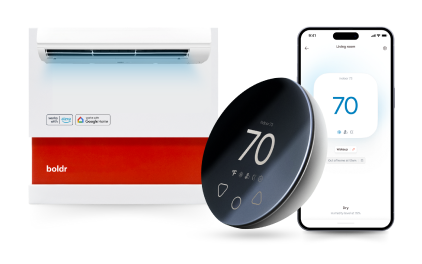
Klima - Smart Home Controller for Mini-splits, Air Conditioners and Heatpumps
Compatible with all brands of ACs and Mini-Splits Automate Climate Management Control remotely Reduce Energy Consumption Monitor bills in realtime
Try NowRecent Articles

Mini-Split Outdoor Unit Clearance 2026 Guide
A mini-split outdoor unit needs air. Lots of it. The condenser pull...
Read More
What Happens if Your Mini-Split Is Too Small?
Most homeowner sizing advice focuses on oversized mini-splits. But ...
Read More
Does a Mini-Split Need a Manual J Load Calculation?
A 500-square-foot room does not automatically need a 12,000 BTU min...
Read More
Signs Your Mini-Split May Have a Refrigerant Leak
A mini-split does not normally “use up” refrigerant the way a car u...
Read More
Mini-Split Minimum Capacity: Why It Matters
When homeowners compare mini-splits, they normally look at the bigg...
Read More