






Ice buildup on a mini-split — either on the indoor evaporator coil or the outdoor unit — is a common issue that usually points to an airflow restriction, a refrigerant problem, or cold-weather operation. Some ice formation is normal in certain conditions, but persistent or heavy ice buildup indicates a problem that needs to be addressed. This guide covers the causes, which situations are normal, and how to fix the ones that are not.
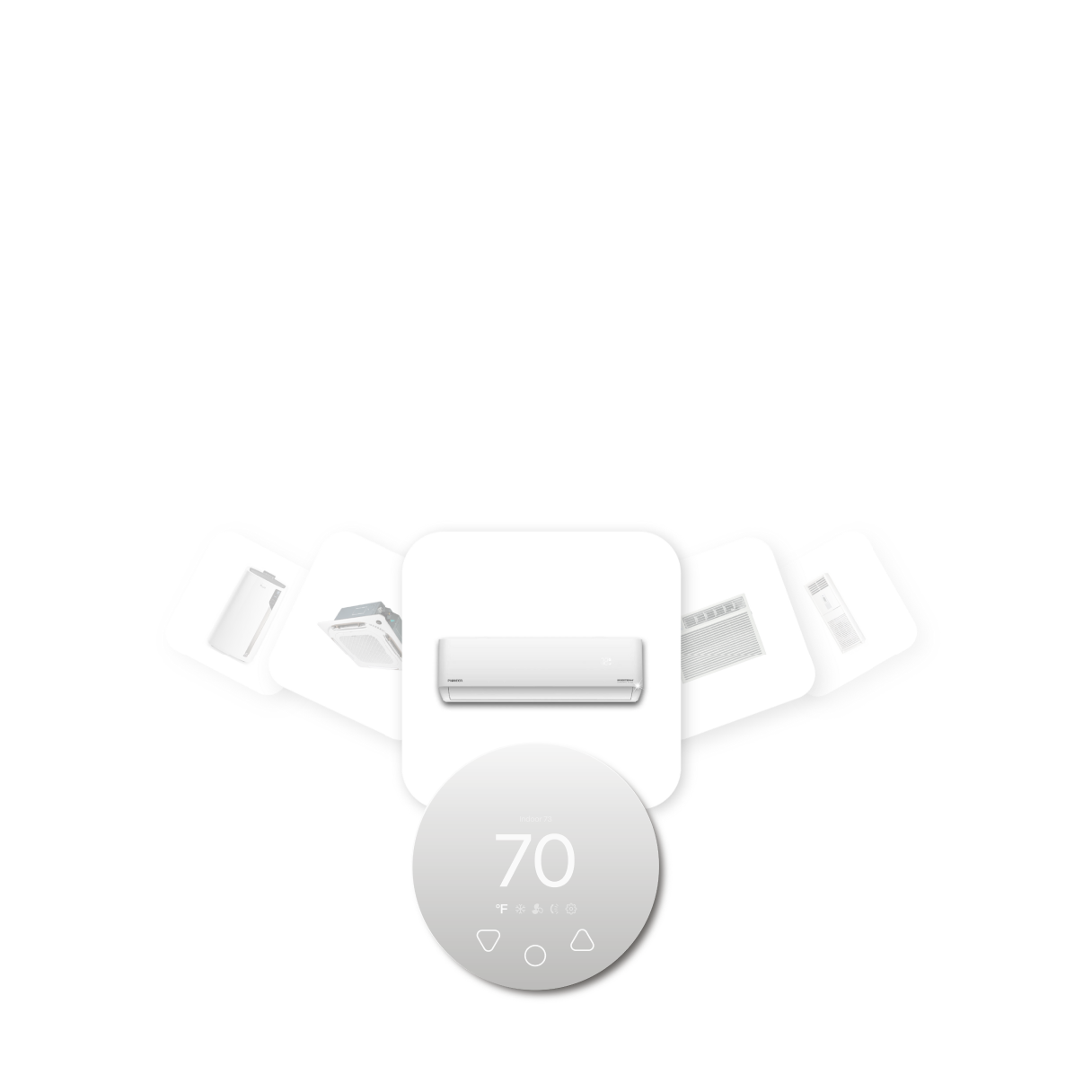
Compatible with all brands of ACs and Mini-Splits
Automate Climate Management
Control remotely
Reduce Energy Consumption
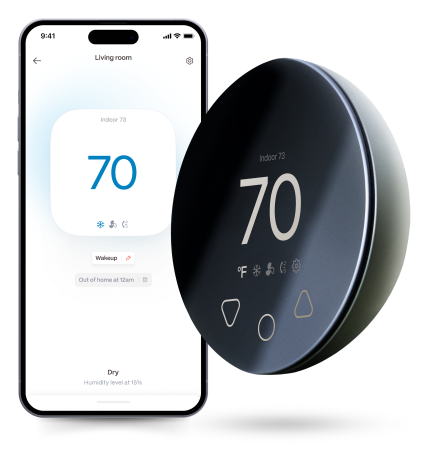
Monitor bills in realtimeKlima - Smart Home Thermostat for Mini-splits, Air Conditioners and Heatpumps
Where Ice Forms and What It Means
| Location | Common Cause | Normal? | Action |
|---|---|---|---|
| Indoor evaporator coil | Dirty filter, low refrigerant, fan issue | No | Clean filter; if persists, call technician |
| Outdoor coil (light frost in heating mode) | Normal moisture condensation in cold weather | Yes — defrost cycle handles it | None — system self-manages |
| Outdoor coil (heavy ice, not defrosting) | Failed defrost control, low refrigerant, blocked airflow | No | Turn off; let melt; call technician if recurring |
| Refrigerant lines (copper pipes) | Low refrigerant charge (leak) | No | Call technician — likely a leak |
Most Common Causes of Ice Buildup
1. Dirty Air Filter
This is the most common cause of ice on the indoor coil. A clogged filter restricts airflow across the evaporator coil. With less warm air passing over it, the coil temperature drops below freezing and moisture in the air freezes on contact. Fix: Clean or replace the filter. This resolves the issue in most cases.
2. Low Refrigerant (Leak)
When the refrigerant charge is low, the evaporator coil gets colder than it should — cold enough to freeze moisture from the air. Low refrigerant always indicates a leak somewhere in the system. Fix: Call a licensed HVAC technician. They will locate the leak, repair it, and recharge the system. Simply adding refrigerant without fixing the leak is a temporary measure.
3. Fan Motor Running Slowly or Not Running
If the indoor fan motor is failing or running at reduced speed, insufficient air moves across the coil, causing the same freezing effect as a dirty filter. Fix: If cleaning the filter does not help and the fan sounds slower or quieter than normal, call a technician. The motor or capacitor may need replacement.
4. Running Cooling Mode at Low Outdoor Temperatures
Running a mini-split in cooling mode when outdoor temperatures are below 60°F (15°C) can cause the evaporator to freeze because the system is designed to operate within a specific temperature range. Most units have a low-ambient temperature limit for cooling. Fix: Switch to fan-only mode or turn off the unit. If you need cooling at low outdoor temperatures (server rooms, for example), use a unit with a low-ambient cooling kit.
5. Failed Defrost Cycle (Outdoor Unit)
In heating mode during cold weather, frost naturally forms on the outdoor coil. The system runs automatic defrost cycles to melt this frost — briefly switching to cooling mode to warm the outdoor coil. If the defrost control fails, frost accumulates into solid ice, blocking airflow and reducing performance. Fix: Turn off the system and let the ice melt. If the unit does not defrost normally after restarting, the defrost sensor, reversing valve, or control board may need service.
How to Safely Remove Ice
Turn off the mini-split at the breaker. Let the ice melt naturally — do not use hot water, a heat gun, or sharp tools to remove ice, as these can damage the coils and fins. Place towels under the indoor unit to catch melting water. Melting typically takes 1–3 hours depending on severity. Once fully melted, clean the filter, restart the unit, and monitor.
How to Prevent Ice Buildup
- Clean the filter every 2–4 weeks. This is the single most effective preventive measure.
- Keep the outdoor unit clear. Remove snow, leaves, and debris from around the outdoor unit. Maintain 12+ inches of clearance on all sides.
- Schedule annual maintenance. A technician checks refrigerant levels, tests the defrost system, and cleans the coils — all of which prevent ice buildup.
- Do not run cooling below 60°F outdoor temperature unless your unit is rated for low-ambient cooling.
Stay cool and save more. Use code JONES15 to get 15% off your entire order—no strings attached.
Upgrade your comfort with a Klima today.
Frequently Asked Questions
Is frost on the outdoor unit normal in winter?
Light frost is normal and expected during heating mode in cold weather. The system's defrost cycle handles it automatically. Heavy ice buildup that does not clear is not normal and needs attention.
Can ice damage my mini-split?
Yes, if left unchecked. Persistent ice buildup can bend the aluminum fins on the coil (reducing efficiency), strain the compressor (potentially causing failure), and block drainage (causing water leaks). Addressing ice issues promptly prevents costly damage.


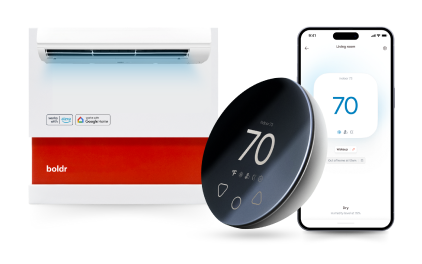
Klima - Smart Home Controller for Mini-splits, Air Conditioners and Heatpumps
Compatible with all brands of ACs and Mini-Splits Automate Climate Management Control remotely Reduce Energy Consumption Monitor bills in realtime
Try NowRecent Articles

Mini-Split Outdoor Unit Clearance 2026 Guide
A mini-split outdoor unit needs air. Lots of it. The condenser pull...
Read More
What Happens if Your Mini-Split Is Too Small?
Most homeowner sizing advice focuses on oversized mini-splits. But ...
Read More
Does a Mini-Split Need a Manual J Load Calculation?
A 500-square-foot room does not automatically need a 12,000 BTU min...
Read More
Signs Your Mini-Split May Have a Refrigerant Leak
A mini-split does not normally “use up” refrigerant the way a car u...
Read More
Mini-Split Minimum Capacity: Why It Matters
When homeowners compare mini-splits, they normally look at the bigg...
Read More