





Mini-splits are among the quietest heating and cooling systems available, with indoor units often operating below 30 decibels. When unusual sounds appear, they are noticeable — and understandably concerning. The good news is that most mini-split noises have straightforward explanations, and many are completely normal. This guide covers every common sound, what causes it, whether it is a problem, and what to do about it.
Quick Reference: Noise Diagnosis Table
| Sound | Source | Normal? | Action |
|---|---|---|---|
| Soft clicking | Indoor unit | Yes | None — relay switches during startup/shutdown |
| Loud repeated clicking | Outdoor unit | No | Check contactor relay; call tech if persistent |
| Rattling | Either unit | No | Tighten mounting hardware; check for loose parts |
| Buzzing / humming | Outdoor unit | Usually | Normal compressor hum; loud buzz = electrical issue |
| Hissing | Indoor unit | Usually | Normal refrigerant flow; loud hiss = possible leak |
| Gurgling / bubbling | Line set / indoor | Sometimes | Low refrigerant or air in lines; monitor closely |
| Dripping / splashing | Indoor unit | Yes | Normal condensate draining; check if dripping inside room |
| Squealing / screeching | Either unit | No | Fan motor bearing failure; call technician |
| Banging / clanking | Outdoor unit | No | Possible compressor issue or loose internal part |
Clicking Sounds
A soft click when the unit starts up, shuts down, or switches between heating and cooling modes is completely normal. This is the sound of electrical relays engaging inside the unit — the same type of click you hear when a refrigerator cycles on.
Loud, repeated clicking from the outdoor unit — especially if the system is not starting — can indicate a failing contactor relay or a capacitor issue. If the outdoor unit clicks repeatedly but does not fully start, turn the system off and contact an HVAC technician.
Rattling Sounds
Rattling almost always points to something loose. Common culprits include a loose front panel on the indoor unit (press it firmly until it clicks into place), loose mounting screws on the wall bracket, a foreign object (leaf, twig, or debris) inside the outdoor unit casing, or a loose fan blade that has shifted on its shaft.
Start by checking the indoor unit's front panel and filter housing — these are the most common sources and the easiest to fix. For rattling from the outdoor unit, turn off the system, remove the top cover (if accessible), and look for debris around the fan. If the fan blade itself is wobbling, call a technician.
Buzzing and Humming
A low-level hum from the outdoor unit is normal — this is the sound of the compressor running. Inverter compressors change pitch as they speed up and slow down, so you may notice the tone varying throughout the day. This is expected behavior.
A loud, sharp buzzing sound from the outdoor unit is not normal and can indicate an electrical issue such as a failing contactor, a loose electrical connection, or a problem with the compressor's starting components. If the buzz is accompanied by the unit not cooling or heating properly, turn off the system and have it inspected.
Hissing Sounds
A quiet, intermittent hissing from the indoor unit is the sound of refrigerant flowing through the expansion valve. This is particularly noticeable when the system first starts up or when the compressor changes speed. It is completely normal and not a cause for concern.
A loud, continuous hissing — especially if accompanied by reduced cooling/heating performance — could indicate a refrigerant leak. Refrigerant leaks most commonly occur at the flare fittings where the line set connects to the indoor or outdoor unit. If you suspect a leak, turn off the system and call a licensed technician. Refrigerant leaks require professional repair and recharging.
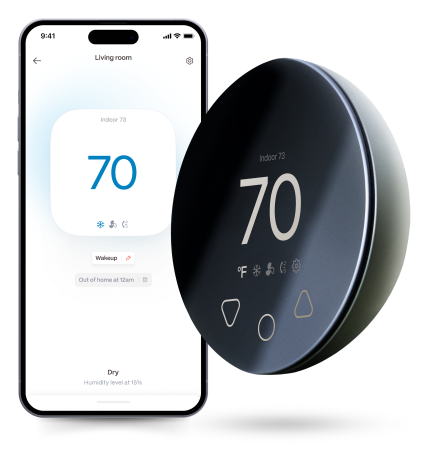
Compatible with all brands of ACs and Mini-Splits
Automate Climate Management
Control remotely
Reduce Energy Consumption
Monitor bills in realtimeKlima - Smart Home Thermostat for Mini-splits, Air Conditioners and Heatpumps
Gurgling and Bubbling Sounds
Occasional gurgling — similar to a water cooler bubbling — can occur when refrigerant changes pressure inside the system. It is more common during startup and shutdown. However, persistent gurgling may indicate low refrigerant levels (meaning there is a slow leak somewhere in the system) or air in the refrigerant lines (which can happen if the system was not properly evacuated during installation).
If the gurgling is constant and the unit is not cooling or heating as well as it used to, have a technician check the refrigerant charge and inspect for leaks.
Dripping and Water Sounds
The sound of water dripping inside the indoor unit during cooling mode is normal. Moisture from the air condenses on the cold evaporator coil and drips into the drain pan below, where it flows out through the condensate drain line. This is how the dehumidification process works.
If you hear dripping but see water leaking down the wall or from the bottom of the indoor unit, the condensate drain line is likely clogged. See our guide on mini-split leaking water for step-by-step drain line cleaning instructions.
Squealing and Screeching
A high-pitched squeal or screech from either the indoor or outdoor unit typically indicates a fan motor bearing that is wearing out. This is not normal and will worsen over time. Turn off the unit and schedule a technician visit. Fan motor replacement is a relatively common repair, typically costing $150–$400 for parts and labor.
Banging and Clanking
A banging sound from the outdoor unit is the most concerning noise on this list. It can indicate a loose or broken internal component inside the compressor, a detached fan blade hitting the housing, or the outdoor unit shifting on its mounting pad.
If the banging is rhythmic and synced with the fan rotation, a fan blade may be bent or broken. If it is irregular and coming from inside the compressor, the compressor may have internal damage. In either case, turn off the system immediately and call a technician.
Frequently Asked Questions
Why is my mini-split suddenly louder than usual?
The most common cause of a sudden increase in noise is a dirty filter or dirty evaporator coil, which forces the fan to work harder. Clean the filter first — this solves the majority of "suddenly louder" complaints. If cleaning the filter does not help, check for loose panels or mounting hardware.
Is it normal for the outdoor unit to be louder in winter?
Yes. During heating mode in cold weather, the outdoor unit runs defrost cycles that involve the compressor running at higher speeds and the reversing valve switching. This can produce temporary noise increases that are part of normal cold-weather operation.
My mini-split makes a popping sound when it starts. Is that normal?
Yes. A single pop or crack at startup is usually thermal expansion — the plastic housing and internal components expand slightly as the unit warms up or cools down. This is harmless and common across all brands.


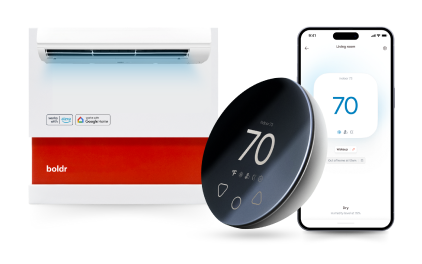
Klima - Smart Home Controller for Mini-splits, Air Conditioners and Heatpumps
Compatible with all brands of ACs and Mini-Splits Automate Climate Management Control remotely Reduce Energy Consumption Monitor bills in realtime
Try NowRecent Articles

Mini-Split Outdoor Unit Clearance 2026 Guide
A mini-split outdoor unit needs air. Lots of it. The condenser pull...
Read More
What Happens if Your Mini-Split Is Too Small?
Most homeowner sizing advice focuses on oversized mini-splits. But ...
Read More
Does a Mini-Split Need a Manual J Load Calculation?
A 500-square-foot room does not automatically need a 12,000 BTU min...
Read More
Signs Your Mini-Split May Have a Refrigerant Leak
A mini-split does not normally “use up” refrigerant the way a car u...
Read More
Mini-Split Minimum Capacity: Why It Matters
When homeowners compare mini-splits, they normally look at the bigg...
Read More