






SEER stands for Seasonal Energy Efficiency Ratio — it measures how efficiently a mini-split cools over an entire cooling season. The higher the SEER number, the less electricity the unit uses for the same cooling output. In 2023, the US transitioned to SEER2, an updated testing standard that uses more realistic conditions. This guide explains what SEER and SEER2 mean, how they affect your electricity bills, and what rating to look for in 2026.
SEER and SEER2: What the Numbers Mean
SEER measures cooling output (BTU) divided by electrical input (watt-hours) over a typical cooling season. A SEER2 rating of 20 means the system produces 20 BTU of cooling for every watt-hour of electricity consumed, averaged over seasonal conditions.
| SEER2 Rating | Efficiency Level | Typical Mini-Split Category |
|---|---|---|
| 13–15 | Federal minimum (central AC) | N/A — mini-splits exceed this |
| 16–19 | Entry-level efficient | Budget mini-splits (Gree, Pioneer) |
| 20–24 | Good | Mid-range (LG, Carrier, Bosch) |
| 25–33 | Very good | Premium (Fujitsu, Daikin) |
| 33–42 | Highest available | Top-tier premium models |
How SEER Affects Your Electricity Bill
A higher SEER rating directly reduces cooling electricity costs. For a 12,000 BTU unit running 8 hours per day over a 4-month cooling season:
| SEER2 Rating | Est. Seasonal kWh | Seasonal Cost ($0.16/kWh) | Annual Savings vs SEER2 14 |
|---|---|---|---|
| 14 (central AC minimum) | ~830 kWh | ~$133 | — |
| 20 | ~580 kWh | ~$93 | $40/year |
| 25 | ~465 kWh | ~$74 | $59/year |
| 33 | ~352 kWh | ~$56 | $77/year |
The savings per SEER2 point diminish as the rating goes higher. Moving from SEER2 14 to 20 saves significantly more per dollar spent than moving from 25 to 33. For most homeowners, a SEER2 of 20–25 hits the efficiency sweet spot.
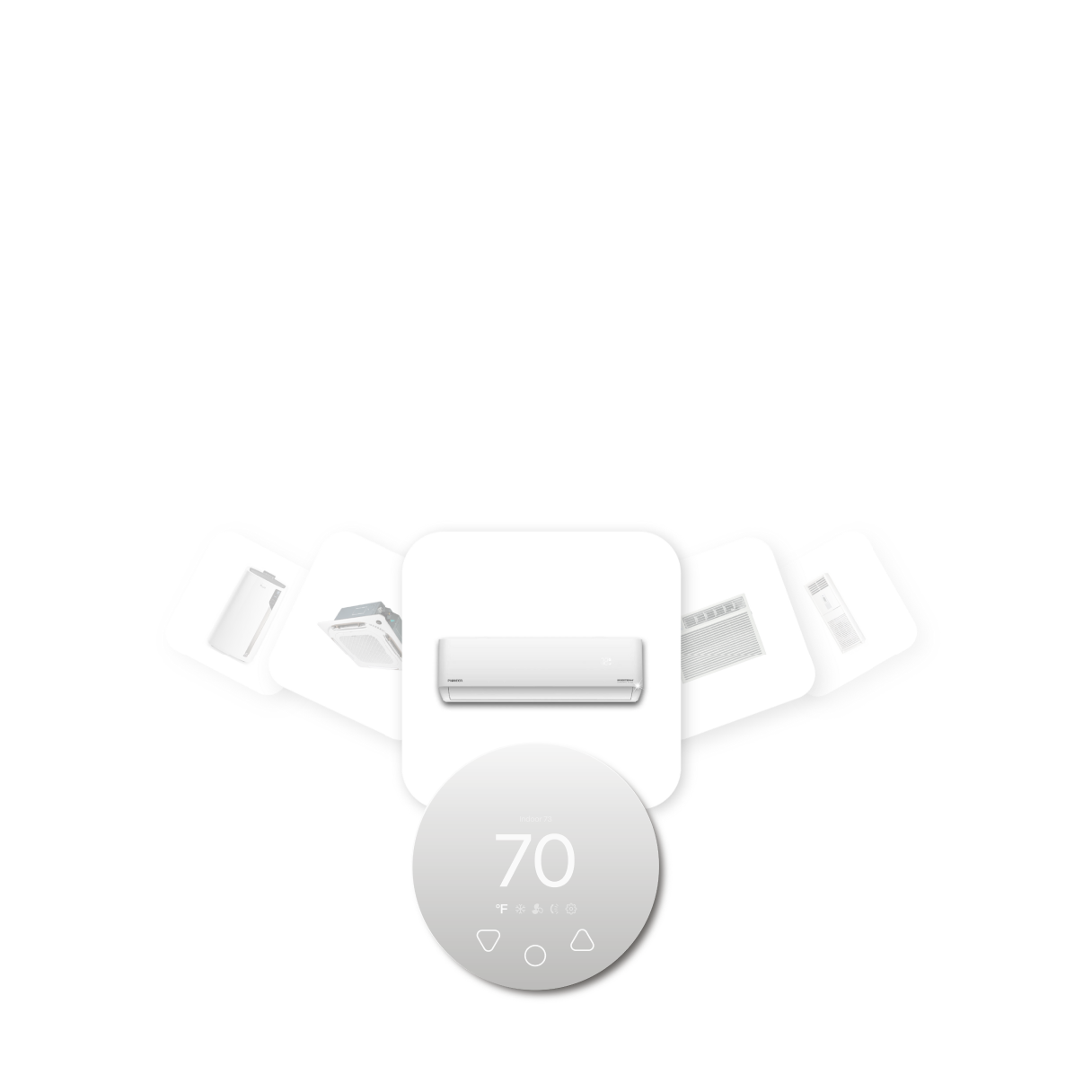
Compatible with all brands of ACs and Mini-Splits
Automate Climate Management
Control remotely
Reduce Energy Consumption
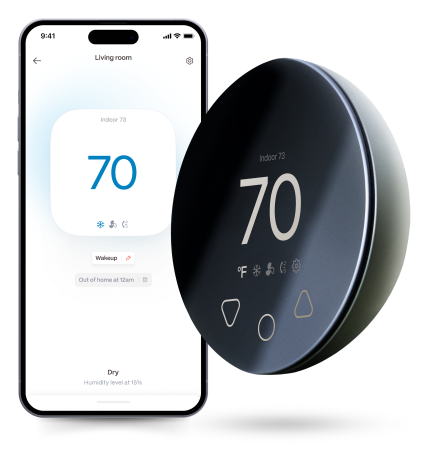
Monitor bills in realtimeKlima - Smart Home Thermostat for Mini-splits, Air Conditioners and Heatpumps
SEER vs HSPF: Cooling vs Heating Efficiency
SEER measures cooling efficiency only. For heating, the equivalent metric is HSPF2 (Heating Seasonal Performance Factor). If you plan to use your mini-split for heating — especially in cold climates — the HSPF2 rating matters as much as SEER2.
- HSPF2 8–10: Entry-level heating efficiency
- HSPF2 10–12: Good — most mid-range models
- HSPF2 12–15: Excellent — premium cold-climate models
What SEER2 Rating Qualifies for Tax Credits?
In the US, qualifying for the $2,000 federal heat pump tax credit under the Inflation Reduction Act requires meeting Energy Star's "Most Efficient" criteria, which includes specific SEER2 and HSPF2 thresholds. As of 2026, this generally requires SEER2 of 16+ and HSPF2 of 9+, but exact requirements are updated periodically. Check energystar.gov for current thresholds.
In Canada, SEER2 requirements for provincial rebate programs vary. Most programs require Energy Star certification at minimum.
Frequently Asked Questions
Is a higher SEER always worth paying for?
Not always. The efficiency gains per SEER2 point diminish at higher ratings, while equipment cost increases. For most homeowners, a SEER2 of 20–25 offers the best balance of efficiency and cost. Paying a large premium for SEER2 38 vs 25 may take 10–15 years to recoup in electricity savings — longer than many people stay in a home.
What is the difference between SEER and SEER2?
SEER2 is an updated testing standard introduced in 2023 that uses higher external static pressure in the test setup, simulating more realistic real-world conditions. SEER2 numbers are typically 5–10% lower than the old SEER numbers for the same unit. A unit rated SEER 22 under the old standard might be rated SEER2 20 under the new standard — same unit, different test.
Do mini-splits have higher SEER than central AC?
Yes. Mini-splits typically carry SEER2 ratings of 18–42, while central AC systems range from 13 to 21 SEER2. The efficiency advantage comes from inverter technology and the elimination of duct losses.


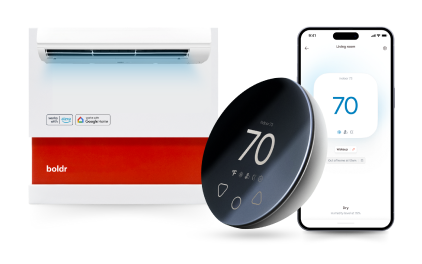
Klima - Smart Home Controller for Mini-splits, Air Conditioners and Heatpumps
Compatible with all brands of ACs and Mini-Splits Automate Climate Management Control remotely Reduce Energy Consumption Monitor bills in realtime
Try NowRecent Articles

Mini-Split Outdoor Unit Clearance 2026 Guide
A mini-split outdoor unit needs air. Lots of it. The condenser pull...
Read More
What Happens if Your Mini-Split Is Too Small?
Most homeowner sizing advice focuses on oversized mini-splits. But ...
Read More
Does a Mini-Split Need a Manual J Load Calculation?
A 500-square-foot room does not automatically need a 12,000 BTU min...
Read More
Signs Your Mini-Split May Have a Refrigerant Leak
A mini-split does not normally “use up” refrigerant the way a car u...
Read More
Mini-Split Minimum Capacity: Why It Matters
When homeowners compare mini-splits, they normally look at the bigg...
Read More