







Mini-splits and boilers are fundamentally different heating technologies — a mini-split is an air-source heat pump that heats and cools using refrigerant and air, while a boiler heats water and distributes it through radiators, baseboard heaters, or radiant floor tubing. Many older homes in the US and Canada were built with boilers, and homeowners often ask whether a mini-split can replace or supplement their boiler system. This guide covers the key differences, costs, and when each approach makes sense.
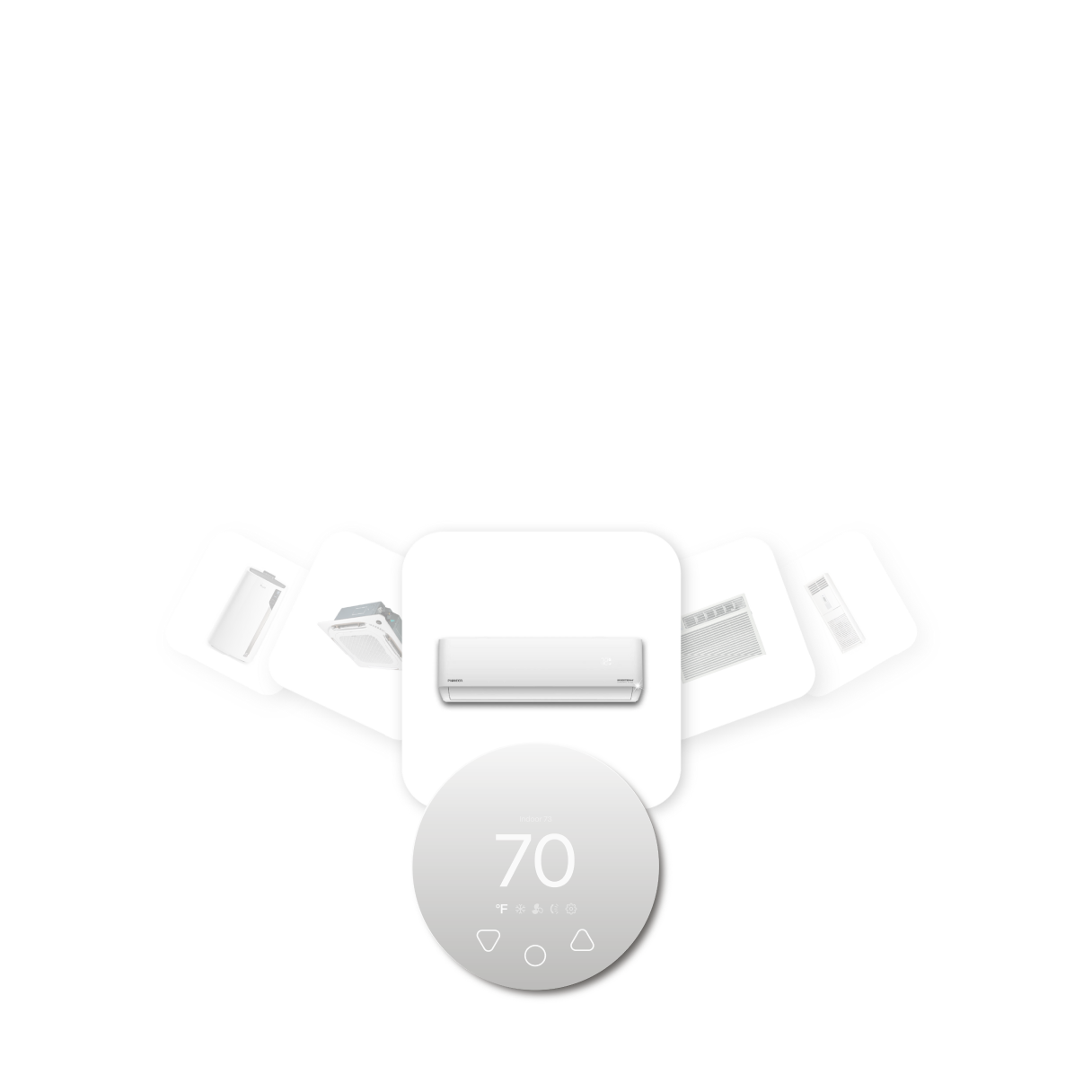
Compatible with all brands of ACs and Mini-Splits
Automate Climate Management
Control remotely
Reduce Energy Consumption
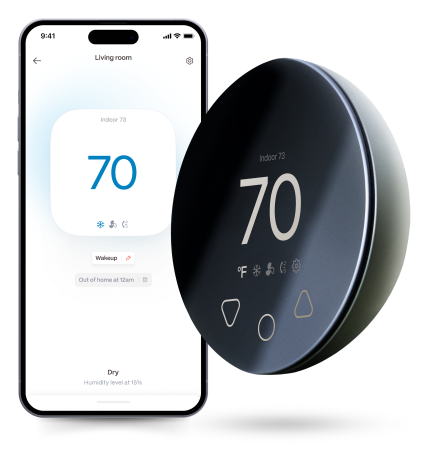
Monitor bills in realtimeKlima - Smart Home Thermostat for Mini-splits, Air Conditioners and Heatpumps
Side-by-Side Comparison
| Factor | Mini-Split | Boiler (Hydronic) |
|---|---|---|
| Heat distribution | Forced air from wall-mounted indoor units | Radiant heat through radiators, baseboard, or floors |
| Cooling capability | Yes | No |
| Fuel type | Electricity | Gas, oil, or electricity (electric boiler) |
| Comfort quality | Good; even temperature with no floor-level warmth | Excellent for radiant; very even, gentle heat |
| Installation in older homes | Very straightforward — no existing infrastructure needed | Already installed in older homes; replacement is complex |
| Upfront cost (new installation) | $3,000–$8,000 per zone | $8,000–$20,000+ for full system |
| Annual operating cost (gas boiler vs electric mini-split) | Varies — comparable to or lower than gas in many markets | Lower in markets with cheap natural gas |
| Humidity control | Yes — dehumidification in cooling mode | No — boilers do not dehumidify |
Common Approaches in Older Homes
Option 1 — Mini-split alongside the boiler: The most popular approach. Keep the existing boiler for primary heat distribution through radiators (radiant heat is comfortable and the infrastructure is already paid for). Add mini-splits in rooms where the boiler is insufficient, for cooling in summer, or to reduce boiler run-time on milder days when the heat pump is more efficient. This is often the most practical and cost-effective approach.
Option 2 — Replace the boiler with mini-splits entirely: Feasible but requires accepting that wall-mounted indoor units replace the invisible radiator system. Suitable for homeowners who want to eliminate gas, reduce maintenance, or add cooling capability to a home that currently has none.
Option 3 — Mini-split for cooling only, boiler retained for heat: For homeowners who love their radiant heat but need air conditioning added — mini-splits in cooling mode only during summer, boiler handles all winter heating.
Frequently Asked Questions
Can a mini-split replace a boiler in a cold climate?
Yes — cold-climate mini-splits (Mitsubishi H2i, Daikin Aurora, LG LGRED°, Fujitsu Halcyon) are rated to −13°F and are used as primary heat sources across Canada. Whether replacing a boiler makes financial sense depends on local gas prices, electricity rates, and the condition of the existing boiler system.
Do mini-splits work with radiant floor heating?
No — mini-splits are air-based systems and cannot supply hot water to radiant floor tubing. If you have radiant floors and want to add mini-splits, they would operate as a separate supplemental or primary system alongside (not through) the existing radiant infrastructure.
Stay cool and save more. Use code JONES15 to get 15% off your entire order—no strings attached.
Upgrade your comfort with a Klima today.
Related reading:
→ Can a Mini-Split Replace a Furnace? Honest Assessment
→ Mini-Split for an Old House: What You Need to Know
→ Do Mini-Splits Work in Cold Weather?


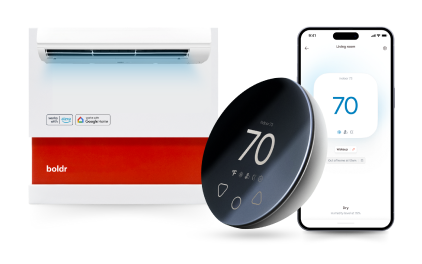
Klima - Smart Home Controller for Mini-splits, Air Conditioners and Heatpumps
Compatible with all brands of ACs and Mini-Splits Automate Climate Management Control remotely Reduce Energy Consumption Monitor bills in realtime
Try NowRecent Articles

Mini-Split Outdoor Unit Clearance 2026 Guide
A mini-split outdoor unit needs air. Lots of it. The condenser pull...
Read More
What Happens if Your Mini-Split Is Too Small?
Most homeowner sizing advice focuses on oversized mini-splits. But ...
Read More
Does a Mini-Split Need a Manual J Load Calculation?
A 500-square-foot room does not automatically need a 12,000 BTU min...
Read More
Signs Your Mini-Split May Have a Refrigerant Leak
A mini-split does not normally “use up” refrigerant the way a car u...
Read More
Mini-Split Minimum Capacity: Why It Matters
When homeowners compare mini-splits, they normally look at the bigg...
Read More