







Ductless air conditioners, also known as mini-splits, are efficient, quiet, and ideal for targeted cooling. But like all air conditioning systems, they create condensation—and where there’s moisture, mold can follow.
Mold growth inside a ductless AC doesn’t happen randomly. It follows predictable patterns tied to moisture, airflow, humidity, and maintenance habits. The good news? Once you understand what causes mold to grow in ductless air conditioners, you can stop problems before they start.
What Is the Reason Mold Grows in Ductless Air Conditioners?
Mold requires three things to thrive: moisture, organic material, and time.
A ductless AC naturally provides all three if not properly maintained.
Trapped Moisture
Every time your ductless AC cools air, condensation forms on the evaporator coils. That moisture is supposed to drain away through the condensate line.
However, if:
-
The drain line becomes clogged
-
The drain pan tilts improperly
-
Debris blocks water flow
Standing water forms inside the ductless unit. Mold spores land in this damp environment and multiply quickly.
Dirty Filters
Clogged filters trap humidity and collect organic debris like:
-
Dust
-
Pollen
-
Pet dander
When moisture combines with these materials, your ac filter essentially becomes a mold breeding ground.
High Indoor Humidity
If indoor humidity is too high, your ductless AC works harder and internal components stay damp longer. Basements, poorly ventilated bathrooms, and humid climates increase the risk.
When humidity remains elevated, mold doesn’t just grow faster—it spreads more aggressively.
Skipped Maintenance
Missed filter changes, ignored drain line clogs, and lack of annual cleaning all compound over time. Each skipped task increases the likelihood of visible mold growth inside your ductless ac system.
Compatible with all brands of ACs and Mini-Splits
Automate Climate Management
Control remotely
Reduce Energy Consumption
Monitor bills in realtimeKlima - Smart Home Thermostat for Mini-splits, Air Conditioners and Heatpumps
What Are the Signs of Mold Growth in Your Ductless AC?
Catching mold early can prevent a major cleaning project.
A Musty Smell
Your nose usually notices first. Mold releases volatile organic compounds (VOCs) as it grows. If your ductless AC smells earthy or musty when running, mold may be present—even if the smell fades later.
Visible Spots
Look for:
-
Black, green, or white fuzzy patches
-
Growth around vents or drain pans
-
Discoloration near the air handler
Small visible spots often indicate larger hidden colonies inside.
Worsening Allergy Symptoms
Sneezing, watery eyes, coughing, or a scratchy throat that worsen indoors may signal airborne mold spores circulating through your ductless ac system.
Higher Energy Bills
Mold restricts airflow, forcing longer cooling cycles. If your mini-split or ductless ac runs constantly but struggles to reach the set temperature, airflow obstruction may be to blame.
You can confirm concerns using indoor air quality test kits or smart air quality monitors that track humidity and VOC levels.

How to Clean Your Ductless AC and Any Mold That May Be in It
Safety and patience matter more than speed.
Safety First
-
Turn off power at the breaker.
-
Wear a respirator mask, rubber gloves, and safety goggles.
-
Open windows and use a fan to push air outside.
Avoid bleach. It corrodes coils and produces harsh fumes. White vinegar or hydrogen peroxide are safer and effective mold killers.
Step 1: Clean or Replace Filters
-
Remove your ductless ac filters per the manual.
-
If heavily contaminated or damaged, replace them.
-
For washable filters:
-
HEPA vacuum both sides
-
Soak in equal parts vinegar and warm water
-
Gently scrub
-
Rinse thoroughly
-
Air dry completely
Never reinstall damp filters.
Step 2: Clean the Evaporator Coils
-
Remove access panels from your ductless ac
-
Gently vacuum your ac coils
-
Spray with vinegar or hydrogen peroxide
-
Let solution sit
-
Carefully scrub between fins
-
Wipe clean and allow to dry
Avoid bending the delicate fins, as this restricts airflow of your ductless ac.
Step 3: Clean the Drain Pan and Line
-
Remove standing water
-
Scrub the drain pan with hydrogen peroxide
-
Pour one cup of vinegar into the drain line
-
Let sit
-
Flush with clean water
-
Dry thoroughly
This monthly step prevents most mold-related problems.
Step 4: Clean the Blower Fan
-
Access fan assembly of your ductless ac
-
Wipe each blade with vinegar-dampened cloth
-
Clean housing
-
Allow to dry completely
Mold on the fan spreads spores throughout your home.
Step 5: Reassemble
Ensure every component is completely dry before restoring power. Moisture trapped inside restarts the mold cycle.
How to Prevent Mold Growth in Your Ductless AC
Prevention is easier—and cheaper—than repeated cleaning.
1. Change Filters Regularly
Set reminders for filter changes of your ductless ac to prevent buildup.
2. Control Indoor Humidity
Use dehumidifiers in damp areas and keep humidity in a moderate range.
3. Flush the Drain Line Monthly
Pour a cup of vinegar down the drain line once a month.
4. Schedule Annual Maintenance
Professional servicing before cooling season prevents hidden issues.
5. Run the Fan After Cooling
Let the fan run briefly after turning off cooling mode to dry internal components.
6. Keep the Area Clean
Avoid blocking vents, vacuum around units regularly, and address leaks immediately.
When You Need Professional Help
Call an HVAC professional if:
-
Mold covers most internal surfaces
-
The smell returns shortly after cleaning
-
Mold affects central ductwork
-
Household members develop respiratory symptoms
-
Growth appears in inaccessible areas
Severe contamination may require specialized antimicrobial treatment and equipment.

What Is Klima?
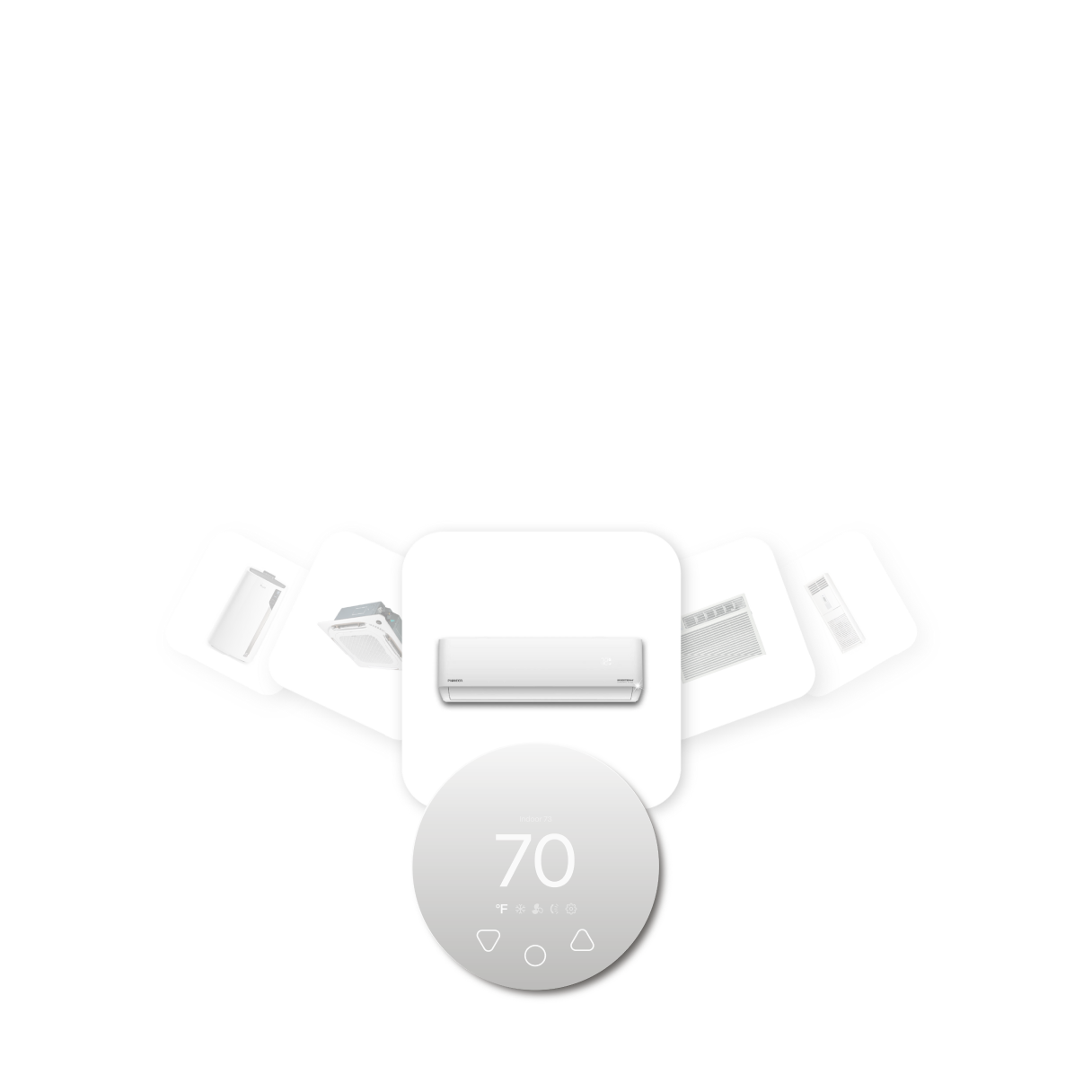
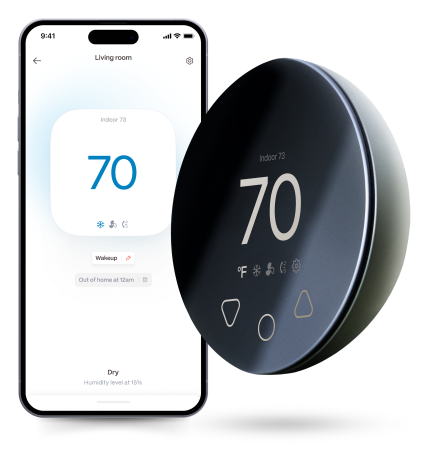
Klima is a smart controller designed for mini-splits, window air conditioners, and portable AC units. It enhances comfort, improves efficiency, and helps maintain better sleep conditions.
Klima works with both new and older ductless systems, allowing homeowners to upgrade climate control without replacing existing equipment.
By maintaining consistent temperatures—especially overnight—Klima creates a more stable indoor environment while reducing unnecessary energy use.
Klima’s Smart Features
Location-Sensing Automation
Klima uses geofencing technology to turn off your mini-split when you leave and prepare your home before you return, reducing runtime and wear.
Cost Monitoring
Real-time energy tracking of your ductless ac shows electricity usage and predicts monthly costs. Many homeowners reduce operating costs by adjusting usage habits.

Smart Scheduling Automation
Customized schedules ensure your ductless ac system runs only when needed, helping maintain ideal sleep temperatures without constant adjustments.
Remote Access
Control your mini-split from anywhere. Adjust temperatures instantly if you forget to turn it off.
Smart Home Compatibility
Klima integrates with Amazon Alexa, Google Home, Apple HomeKit, SmartThings, and Google Assistant for convenient voice control and centralized automation.

Conclusion
Mold growth in ductless air conditioners follows predictable patterns: trapped moisture, dirty filters, high humidity, and skipped maintenance.
The solution isn’t complicated. Regular filter changes, monthly drain line flushing, humidity control, and annual servicing dramatically reduce risk.
Once you understand how mold forms, prevention becomes routine—and routine maintenance protects your air quality, your energy bills, and your health.
Smart climate tools like Klima further support healthy indoor environments by optimizing runtime, reducing excess humidity buildup, and improving system efficiency.
FAQ
Why does my ductless AC smell musty?
A musty smell typically indicates mold growth inside the unit, often due to trapped moisture or clogged drainage.
Can mold in my mini-split make me sick?
Yes. Mold spores can trigger allergies, respiratory irritation, and worsen asthma symptoms.
How often should I clean my ductless AC to prevent mold?
Filters should be checked monthly and cleaned or replaced as needed. Drain lines should be flushed monthly. Professional servicing is recommended annually.
Is bleach safe for cleaning AC mold?
No. Bleach can corrode metal components and create harmful fumes. Vinegar or hydrogen peroxide are safer alternatives.
Can smart controllers help reduce mold risk?
Yes. By optimizing runtime, reducing unnecessary cooling cycles, and maintaining consistent temperatures, smart controllers like Klima help limit moisture buildup inside ductless ac systems.


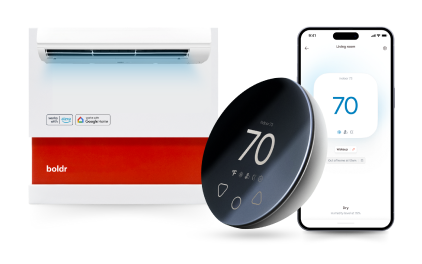
Klima - Smart Home Controller for Mini-splits, Air Conditioners and Heatpumps
Compatible with all brands of ACs and Mini-Splits Automate Climate Management Control remotely Reduce Energy Consumption Monitor bills in realtime
Try NowRecent Articles

Mini-Split Outdoor Unit Clearance 2026 Guide
A mini-split outdoor unit needs air. Lots of it. The condenser pull...
Read More
What Happens if Your Mini-Split Is Too Small?
Most homeowner sizing advice focuses on oversized mini-splits. But ...
Read More
Does a Mini-Split Need a Manual J Load Calculation?
A 500-square-foot room does not automatically need a 12,000 BTU min...
Read More
Signs Your Mini-Split May Have a Refrigerant Leak
A mini-split does not normally “use up” refrigerant the way a car u...
Read More
Mini-Split Minimum Capacity: Why It Matters
When homeowners compare mini-splits, they normally look at the bigg...
Read More