






The perfect temperature for sleeping plays a major role in how deeply and consistently you rest each night. While many people focus on mattresses or blackout curtains, research consistently shows that bedroom temperature is one of the most important factors in sleep quality.
If you wake up during the night, feel overheated, or struggle to fall asleep, your room temperature may be working against your body’s natural rhythm.
Why Temperature Affects Your Sleep
Your body follows a 24-hour internal clock called the circadian rhythm. About two hours before bedtime, your brain releases melatonin and your core body temperature begins to drop.
This cooling process signals your body that it’s time to sleep.
Throughout the night:
-
Core temperature continues to decline
-
It reaches its lowest point in the early morning
-
It gradually rises before you wake
If your bedroom is too warm, it disrupts this natural cooling cycle. Studies show that overheating:
-
Increases nighttime awakenings
-
Reduces deep sleep
-
Shortens REM sleep
-
Decreases overall sleep efficiency
Cooler environments generally support better sleep. Extremely cold rooms can cause discomfort, but mild coolness helps the body transition into restorative sleep stages.
In simple terms: your body needs a cool environment to sleep properly.
The Perfect Sleeping Temperature
For most adults, the ideal sleeping temperature is between 60–67°F (15–19°C).
Sleep specialists at the Cleveland Clinic recommend this range because it:
-
Supports natural thermoregulation
-
Stabilizes REM sleep
-
Reduces nighttime wakeups
If you are sleeping 7–8 hours but still feel tired, adjusting your thermostat may improve sleep quality more than adding supplements or gadgets.
Optimal Sleeping Temperature by Age Group
Temperature needs vary by age due to differences in thermoregulation.
|
Age Group
|
Ideal Temperature Range |
Why It Differs |
|
Adults (18–64)
|
60–67°F (15–19°C) |
Supports natural body cooling |
|
Older Adults (65+)
|
68–77°F (20–25°C) |
Reduced ability to regulate body heat |
What Research Says
A 2023 study from Harvard and the Marcus Institute for Aging Research found that sleep efficiency in adults over 65 dropped by 5–10% when temperatures exceeded 77°F or fell significantly below 68°F. Age-related changes in body temperature regulation explain why older adults often sleep better in slightly warmer rooms.
Ideal Bedroom Temperature by Season
Maintaining the perfect sleeping temperature often requires seasonal adjustments.
Spring and Fall
These transitional seasons often naturally fall within the 60–67°F range. Open windows in the evening for ventilation and close them before midday heat builds.
Summer
Hot weather is the biggest threat to sleep quality.
-
Target 60–65°F overnight
-
Maintain humidity between 30–50%
-
Use breathable cotton or linen bedding
-
Circulate air with ceiling fans
High humidity makes warm temperatures feel worse and interferes with breathing comfort.
Winter
Set your mini-split to run between 65–67°F at night. Avoid placing beds or cribs near heating vents, radiators, or exterior walls where temperature fluctuates.

Temperature Control Hacks for Better Sleep
If your bedroom temperature isn’t ideal, these strategies can help.
Program Your Thermostat Strategically
Lower your mini-split temperature 1–2 degrees about an hour before bed. This supports your body’s natural cooling process. You can do this remotely through Klima's Smart Scheduling feature.
Gradually warming the room before your alarm can make waking up easier.
Use Breathable Bedding
Cotton and linen allow airflow and wick moisture. Avoid polyester sheets, which trap heat and disrupt temperature regulation.
Improve Air Circulation
Ceiling fans on low speed create consistent airflow. Standing fans should circulate air around the room rather than blowing directly on your body.
Quick Cooling Solutions
-
Take a warm bath 1–2 hours before bed to trigger natural cooling
-
Freeze your pillow for 30 minutes
-
Place a shallow pan of ice in front of a fan
-
Use blackout curtains to block afternoon heat
Small environmental adjustments can significantly improve sleep efficiency.

What Is Klima?
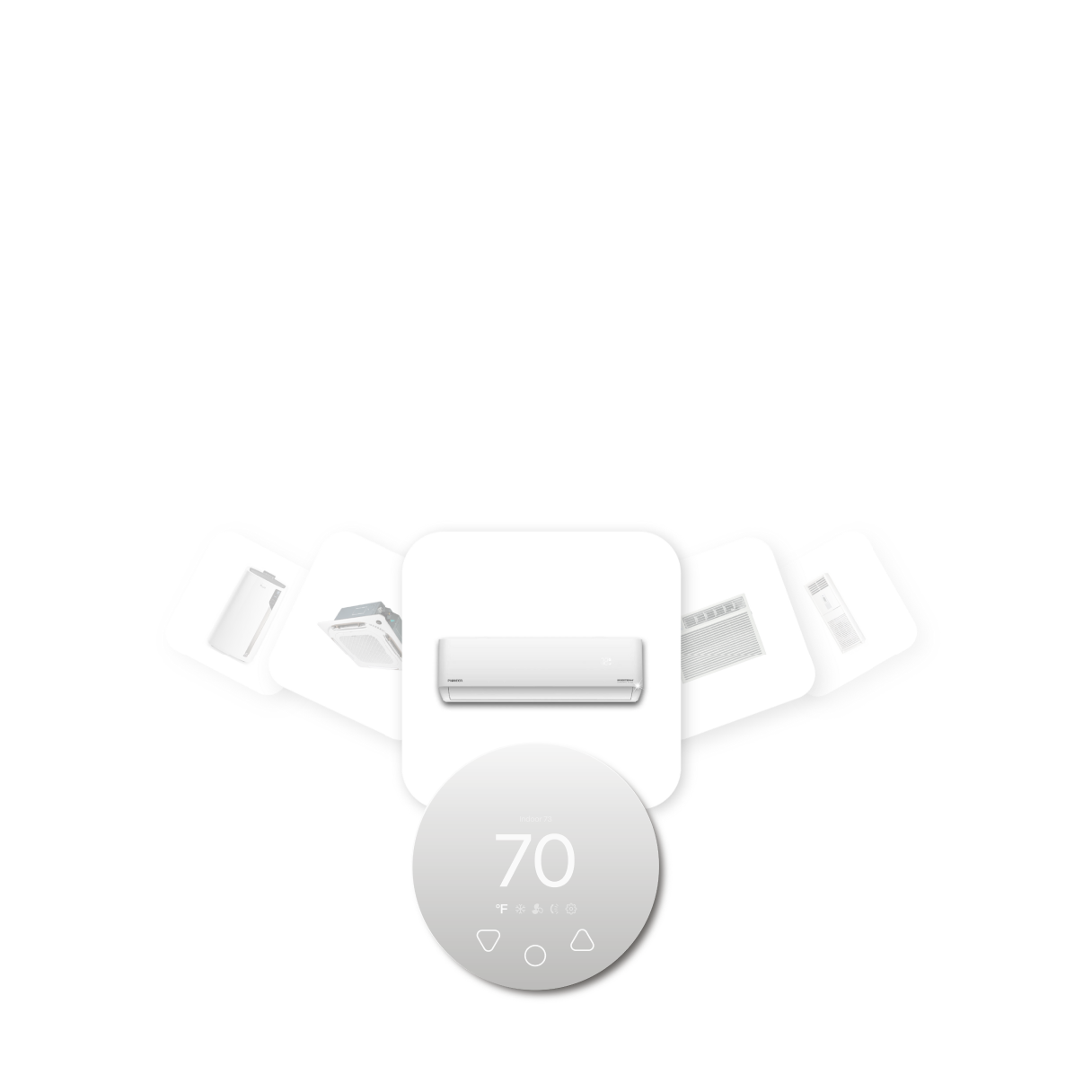
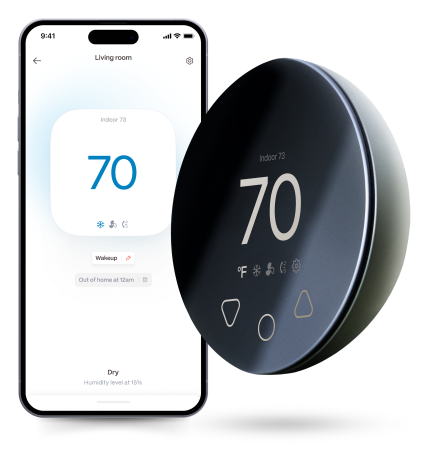
Klima is a smart controller for mini-splits, window air conditioners, and portable AC units designed to optimize temperature control for comfort, efficiency, and better sleep.
It works with both new and older ductless A/C systems, allowing homeowners to upgrade their climate control without replacing existing ductless A/C systems.
By maintaining consistent nighttime temperatures, Klima helps create an ideal sleep environment while reducing unnecessary energy use.
Compatible with all brands of ACs and Mini-Splits
Automate Climate Management
Control remotely
Reduce Energy Consumption
Monitor bills in realtimeKlima - Smart Home Thermostat for Mini-splits, Air Conditioners and Heatpumps
Klima’s Smart Features
Location-Sensing Automation
Klima uses geofencing to turn off your mini-split when you leave and prepare your home before you return. This reduces unnecessary runtime and ductless system wear.
Cost Monitoring
Klima’s real-time energy tracking shows how much electricity your ductless A/C system uses and predicts monthly costs.
Many homeowners reduce operating costs by up to 30% by adjusting usage habits.

Smart Scheduling Automation
Customized schedule automations ensure your ductless A/C system runs only when needed.
Klima helps maintain the perfect sleeping temperature without constant manual adjustments.
Remote Access
Control your mini-split from anywhere using Klima’s Remote Access feature.
If you forget to turn it off or want to adjust the temperature before bed, you can do so instantly.
Smart Home Compatibility
Klima integrates with Amazon Alexa, Google Home, Apple HomeKit, SmartThings, and Google Assistant for convenient voice control and centralized automation.
Why Smart Temperature Control Improves Sleep
Consistent temperature is more important than occasional adjustments.
Fluctuations during the night can disrupt REM sleep and cause micro-awakenings. A smart controller like Klima helps:
-
Maintain stable nighttime cooling
-
Automatically adjust for seasonal shifts
-
Improve energy efficiency of your ductless AC
-
Extend your ductless HVAC system lifespan
Better temperature consistency leads to deeper, more restorative sleep.

Conclusion
The perfect temperature for sleeping is not a guess. For most adults, it falls between 60–67°F.
Your body sleeps best when it can cool naturally.
By understanding how temperature interacts with circadian rhythms and using smart climate control strategies, you can dramatically improve sleep quality.
Optimizing your bedroom temperature is one of the simplest, most effective ways to improve overall health, focus, and daily performance.
FAQ
What is the perfect temperature for sleeping?
For most adults, 60–67°F (15–19°C) is ideal.
Is 70°F too warm for sleeping?
For many adults, yes. Temperatures above 70°F can reduce deep sleep and increase nighttime awakenings.
Does sleeping in a cold room improve sleep quality?
A slightly cool room supports natural body cooling and improves REM stability.
How can I maintain the ideal bedroom temperature overnight?
Using a programmable or smart thermostat helps maintain consistent temperatures without manual adjustments.


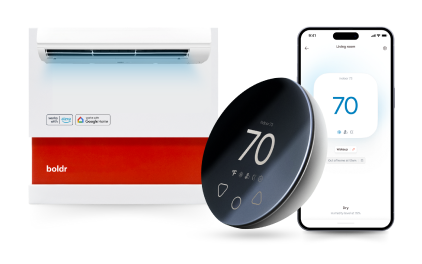
Klima - Smart Home Controller for Mini-splits, Air Conditioners and Heatpumps
Compatible with all brands of ACs and Mini-Splits Automate Climate Management Control remotely Reduce Energy Consumption Monitor bills in realtime
Try NowRecent Articles

Mini-Split Outdoor Unit Clearance 2026 Guide
A mini-split outdoor unit needs air. Lots of it. The condenser pull...
Read More
What Happens if Your Mini-Split Is Too Small?
Most homeowner sizing advice focuses on oversized mini-splits. But ...
Read More
Does a Mini-Split Need a Manual J Load Calculation?
A 500-square-foot room does not automatically need a 12,000 BTU min...
Read More
Signs Your Mini-Split May Have a Refrigerant Leak
A mini-split does not normally “use up” refrigerant the way a car u...
Read More
Mini-Split Minimum Capacity: Why It Matters
When homeowners compare mini-splits, they normally look at the bigg...
Read More