







Buying a mini-split involves more than picking a BTU number — the brand, efficiency ratings, cold-climate capability, warranty, installer network, and smart home integration all matter and can significantly affect your experience over a 15–20 year ownership period. This guide walks through the 10 key factors every homeowner should evaluate before making a purchase decision.
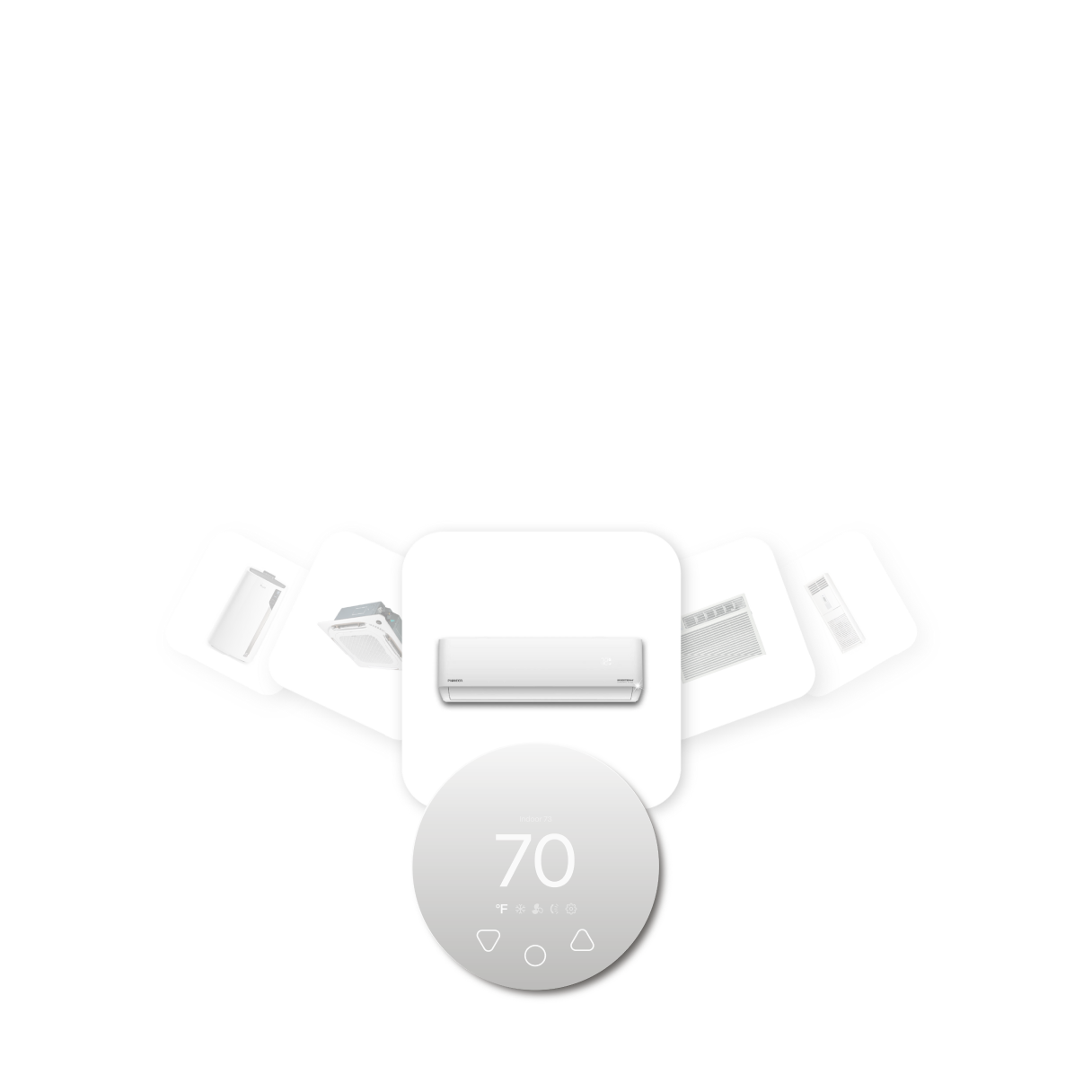
Compatible with all brands of ACs and Mini-Splits
Automate Climate Management
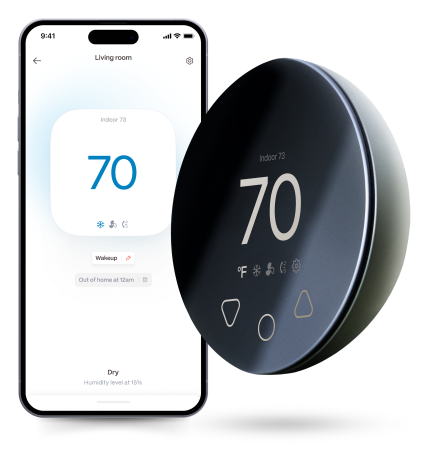
Control remotely
Reduce Energy Consumption
Monitor bills in realtimeKlima - Smart Home Thermostat for Mini-splits, Air Conditioners and Heatpumps
1. Correct BTU Sizing
Start with 20 BTU per square foot and adjust for ceiling height, insulation quality, sun exposure, and climate. An undersized unit never reaches setpoint; an oversized unit short-cycles and fails to dehumidify. Get a Manual J load calculation from your installer rather than a "rule of thumb" guess — proper sizing is the most important single decision.
2. Single-Zone vs Multi-Zone
A single-zone system serves one room with one outdoor unit. Multi-zone serves 2–5+ rooms from one shared outdoor unit. For 3+ rooms, multi-zone is almost always more cost-effective than multiple single-zone systems. Plan your full zone count before selecting the outdoor unit — it is easier and cheaper to install additional indoor units from a correctly sized multi-zone outdoor unit than to upgrade later.
3. Cold-Climate Rating (If You Need It)
In Canada and the northern US, verify the system's rated minimum operating temperature. For primary heating, choose a model rated to −25°C or lower (Mitsubishi H2i, Daikin Aurora, LG LGRED°, Fujitsu Halcyon, Senville AURA). A system that can only operate to −15°C is inadequate as a primary heat source in most Canadian provinces.
4. SEER2 and HSPF2 Ratings
SEER2 affects your cooling electricity cost; HSPF2 affects your heating electricity cost. Look for SEER2 18+ and HSPF2 10+ for meaningful efficiency. In heating-dominant climates, HSPF2 is the more important of the two — it has the larger annual cost impact.
5. Brand Reliability and Warranty
| Tier | Brands | Compressor Warranty |
|---|---|---|
| Premium | Mitsubishi, Daikin, Fujitsu | 10–12 years |
| Upper-mid | LG, Carrier, Samsung, Bosch | 5–10 years |
| Budget | MrCool, Pioneer, Senville, Midea | 5–7 years |
6. Installer Certification and Service Network
The installing contractor affects long-term reliability as much as the brand. Use a certified installer — Mitsubishi Diamond, Daikin Comfort Pro, LG Pro Gold, Fujitsu Elite. Get a minimum of 3 quotes from certified contractors and confirm they pull permits. Unpermitted work creates insurance and resale problems.
7. Smart Home Integration
If you use Apple HomeKit, Google Home, Amazon Alexa, or a smart home platform, check compatibility before purchasing. Most brands offer WiFi adapters or have native smart home support. A smart AC controller can also add WiFi connectivity and scheduling to any mini-split after installation.
8. Noise Level
For bedrooms, prioritise models with a rated minimum indoor noise of 22 dB or below (Mitsubishi, Daikin, Fujitsu, Panasonic). Budget brands at 28–38 dB are noticeably louder on minimum speed — audible but typically not disruptive. Always position the outdoor unit away from bedroom windows.
9. Rebate Eligibility
Before finalising your brand and model selection, confirm it appears on the ENERGY STAR certified products list and — in Canada — the Natural Resources Canada eligible equipment list. Rebate eligibility is model-specific. A model that just misses a threshold can cost you $1,000–$2,000 in unclaimed rebates.
10. Refrigerant Type
New systems in 2026 use R-32 or R-454B rather than R-410A. Both new refrigerants have lower environmental impact. R-32 is widely used by Daikin, LG, Panasonic, and Fujitsu. R-454B is used by Carrier and is being adopted by US-focused manufacturers. Avoid purchasing new systems that still use R-410A — they are near-obsolete and will have higher future service costs as R-410A prices rise.
Frequently Asked Questions
Should I buy the cheapest mini-split that meets the BTU requirement?
For a garage or workshop where occasional use is the priority, a budget brand is often appropriate. For a primary bedroom or whole-home heating system where you will rely on it every day for 15+ years, the premium brand warranty and reliability track record justify the higher upfront cost — the compressor warranty gap alone (5 years vs 12 years) represents significant financial protection.
Related reading:
→ Mini-Split Buying Guide 2026: Everything You Need to Know
→ Best Mini-Split Brands 2026: Ranked and Reviewed
→ Mini-Split Sizing Guide: How to Choose the Right BTU


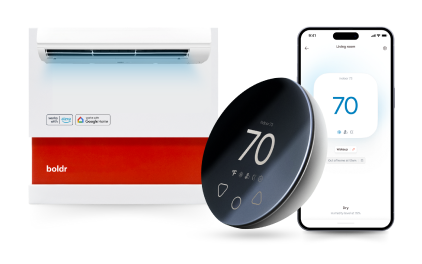
Klima - Smart Home Controller for Mini-splits, Air Conditioners and Heatpumps
Compatible with all brands of ACs and Mini-Splits Automate Climate Management Control remotely Reduce Energy Consumption Monitor bills in realtime
Try NowRecent Articles

Mini-Split for Home Office: Best Quiet Options 2026
A mini-split is one of the best climate control solutions for a hom...
Read More
Mini-Split Noise Levels: What's Normal and What's Not
Most sounds a mini-split makes are completely normal — and knowing ...
Read More
Mini-Split Inverter Compressor: What It Does and Why It Matters
The inverter compressor is the core technology that makes modern mi...
Read More
Mini-Split vs Window Unit: Total Cost Over 10 Years
Over a 10-year period, a mini-split almost always costs less than t...
Read More
Mini-Split Lifespan: How to Make Yours Last 20+ Years
A mini-split's rated lifespan is 15–20 years for premium brands — b...
Read More