




The hardest part of selling a maintenance agreement is that the best outcome is nothing happening. Customers are asked to pay for problems that didn't occur. Data changes that conversation by making the invisible visible: what the system is doing, what it costs, and what it would have cost without attention.
The Problem With Selling Peace of Mind
"We'll keep it running well" is a promise without proof. Customers, especially property managers answerable to owners, want evidence. Without it, agreements get treated as discretionary and are the first thing cut when budgets tighten.
What Monitoring Data Gives You to Show
- Energy use and cost. Showing what a system consumes, and how that changes after service or settings changes, gives the agreement a number to point to.
- Run-time and behavior patterns. Long run times, frequent cycling, or setpoints that are fighting each other point to problems or wasted energy.
- Efficiency trends. A slow decline in efficiency over weeks is exactly the kind of issue a technician can address before it becomes a failure.
- Health indicators. Early warnings about unit condition let you schedule work proactively.
Turning Data Into the Pitch
- Baseline at install. Capture performance and energy data when the system is new, so you have a starting point.
- Report periodically. A short summary of usage, issues caught, and savings keeps your value visible between visits.
- Show the catch. When monitoring flags a problem you fixed before the customer noticed, tell them. That is the agreement working.
- Quantify the avoided cost. A prevented failure or avoided emergency call is easier to value than a vague benefit.
For Property Managers and Multi-Property Customers
Portfolio customers want comparisons across buildings: which units use the most energy, which have unresolved issues, which need attention first. Monitoring across many properties from one place lets you offer service as a managed program rather than a series of calls, a much stronger position when bidding for or retaining portfolio work.
Accuracy Is the Foundation
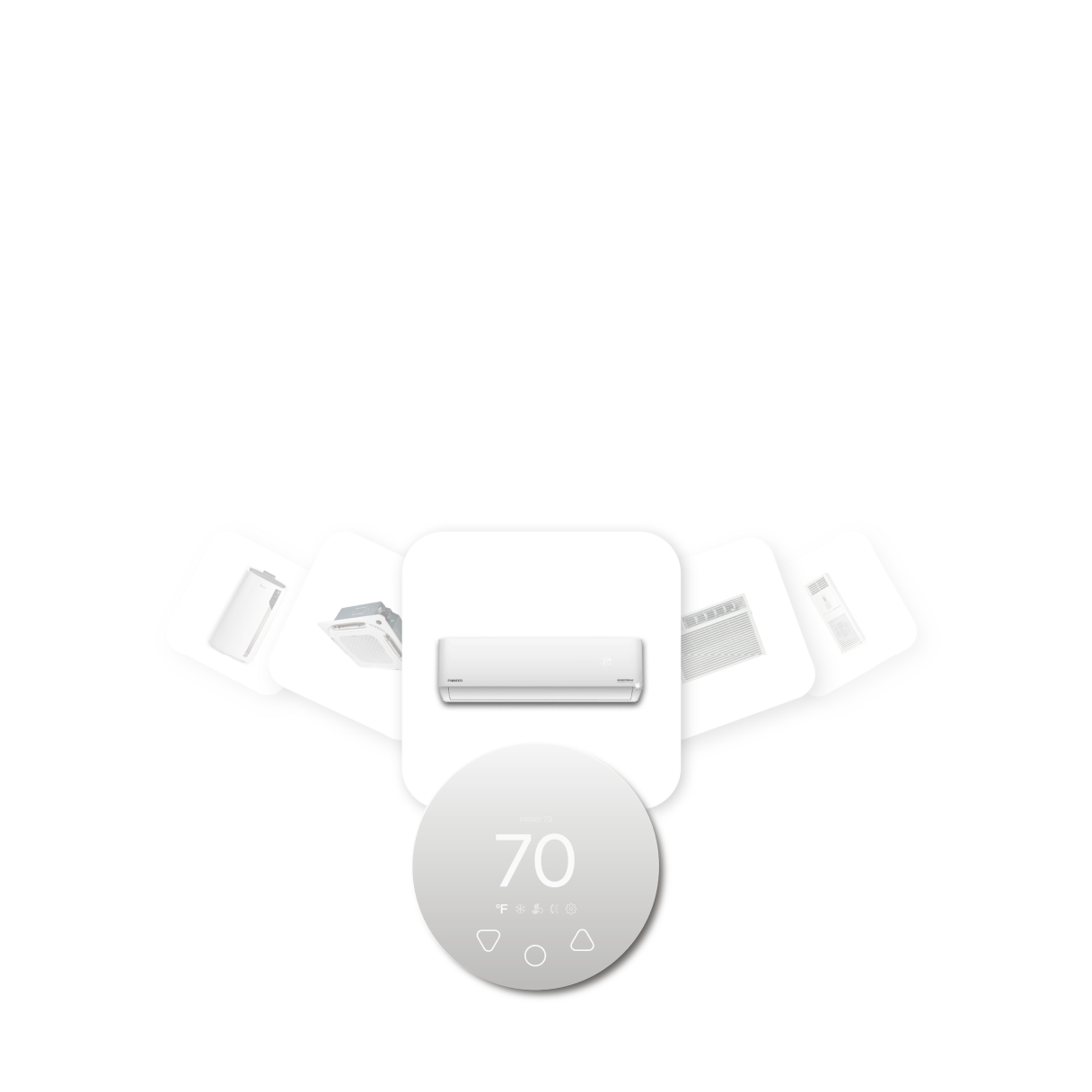
Data helps only if customers trust it. If reported energy or cost figures don't match their experience, the credibility you wanted to build works against you. The Boldr Smart Controller reports energy and cost data with 98% energy accuracy and 99% cost accuracy, which is the kind of reliability that makes a monthly report something customers will actually use.
Brand It as Yours
Data presented under your company's brand reinforces that the insight comes from you. The Boldr Pro App supports contractor branding and monitoring across your installed units, so the value shows up with your name on it.
Make It Part of the Standard Offer
The most effective approach is to include monitoring as part of the agreement itself, so the agreement is defined by visible, ongoing results. Customers who can see what they're paying for are more likely to renew, and more likely to refer you.
To see how monitoring fits into a service agreement, explore the Boldr Smart Controller.


Recent Articles

Mini-Split Outdoor Unit Clearance 2026 Guide
A mini-split outdoor unit needs air. Lots of it. The condenser pull...
Read More
What Happens if Your Mini-Split Is Too Small?
Most homeowner sizing advice focuses on oversized mini-splits. But ...
Read More
Does a Mini-Split Need a Manual J Load Calculation?
A 500-square-foot room does not automatically need a 12,000 BTU min...
Read More
Signs Your Mini-Split May Have a Refrigerant Leak
A mini-split does not normally “use up” refrigerant the way a car u...
Read More
Mini-Split Minimum Capacity: Why It Matters
When homeowners compare mini-splits, they normally look at the bigg...
Read More