






Cold-climate performance is one of the most active areas of ductless development. For contractors in the northern US and across Canada, it decides whether a heat pump is a primary heating system or a summer-only accessory. As 2026 product lines roll out, here's how to evaluate what's new and what matters on a real install.
Why Cold-Climate Performance Is the Headline
Heating-dominant markets have been the slowest to adopt ductless heat pumps, largely because older units lost capacity quickly as outdoor temperatures dropped. Manufacturers have spent years closing that gap with improved compressors, better refrigerant circuit design, and enhanced vapor injection. Each new generation pushes the usable operating range lower and narrows the gap between nameplate capacity and what the unit delivers on a cold morning.
The Ratings That Actually Matter
Marketing claims about "operates down to" a very low temperature are not the same as delivering useful heat there. When comparing new releases, look at:
- Rated capacity at low temperatures, such as 5°F, compared with rated capacity at 47°F. This capacity retention ratio is a much better indicator of real heating output than a minimum operating temperature.
- Efficiency (COP or HSPF2) at low temperatures, not only at mild conditions.
- Third-party certification, such as listing under regional cold-climate heat pump specifications, which standardizes how performance is tested.
- Defrost behavior, since frequent or poorly managed defrost cycles hurt both comfort and efficiency in cold, humid conditions.
Refrigerant Changes Are Arriving Alongside New Models
The refrigerant transition is shaping 2026 releases. Newer models increasingly use lower-GWP refrigerants, which affects installation practice, tooling, and technician training. Contractors should confirm the refrigerant and its safety classification for each model they stock, and make sure technicians are trained and equipped before the first install.
Manufacturers Are Expanding the Ductless Field
Established brands and joint ventures continue to broaden ductless and VRF lineups, and new entrants keep arriving. For distributors, this means more SKUs to stock, support, and train on. For contractors, it means more choice, along with more variation in controls, communication protocols, and warranty terms between brands.
What This Means for Installers
New models raise practical questions on every job:
- Sizing to the cold-weather load, not the cooling load. A unit sized for summer may underdeliver in January.
- Backup heat planning, deciding honestly whether the heat pump is primary or supplemental in your climate zone.
- Controls, because mixed brand installs and multi-zone layouts make a consistent control layer increasingly valuable.
- Line set and installation specifications, which can differ between new models and legacy replacements.
Control Matters More as Systems Get More Capable
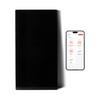
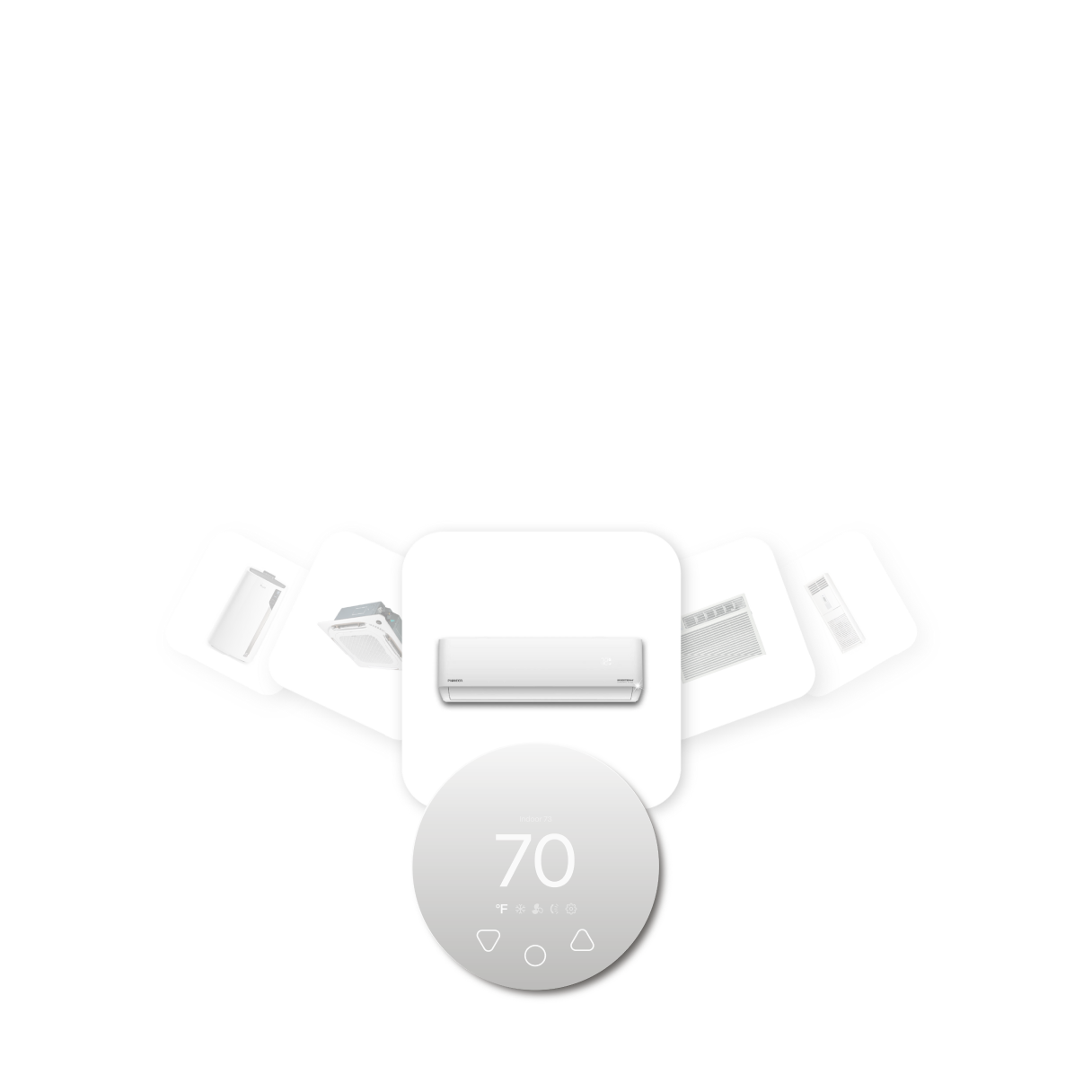
A more capable cold-climate unit still depends on how it's controlled. Heating setpoints that fight with other zones, schedules that ignore occupancy, and a lack of visibility into whether the system is performing all show up as callbacks, however good the hardware. The Boldr Smart Controller works with ductless units across brands, adding zone-aware control and health monitoring on top of whichever cold-climate model you install. See how the Boldr Smart Controller fits.
How to Keep Up
New announcements move quickly. Subscribe to manufacturer dealer communications, ask your distributor rep what's arriving next season, and track certification listings. Treat each release as a prompt to re-check your sizing assumptions and training needs, not just your price list.


Recent Articles

Mini-Split Outdoor Unit Clearance 2026 Guide
A mini-split outdoor unit needs air. Lots of it. The condenser pull...
Read More
What Happens if Your Mini-Split Is Too Small?
Most homeowner sizing advice focuses on oversized mini-splits. But ...
Read More
Does a Mini-Split Need a Manual J Load Calculation?
A 500-square-foot room does not automatically need a 12,000 BTU min...
Read More
Signs Your Mini-Split May Have a Refrigerant Leak
A mini-split does not normally “use up” refrigerant the way a car u...
Read More
Mini-Split Minimum Capacity: Why It Matters
When homeowners compare mini-splits, they normally look at the bigg...
Read More