




Best Heater for Airbnb & Rental Properties (No Permanent Install)
Renters and short-term rental hosts end up with the same constraint from opposite directions: neither one can usually make permanent changes to a property's electrical or HVAC system without the owner's or property manager's written sign-off. That single fact rules a lot of heating options out before cost or performance even enter the conversation.
Here's what "no permanent install" actually rules in and out, and the trade-off most buying guides skip.
30% more cost effective than traditional heaters
Smart functions to automate home climate
Control remotely
Maintenance Free
Easy 5 minute installation
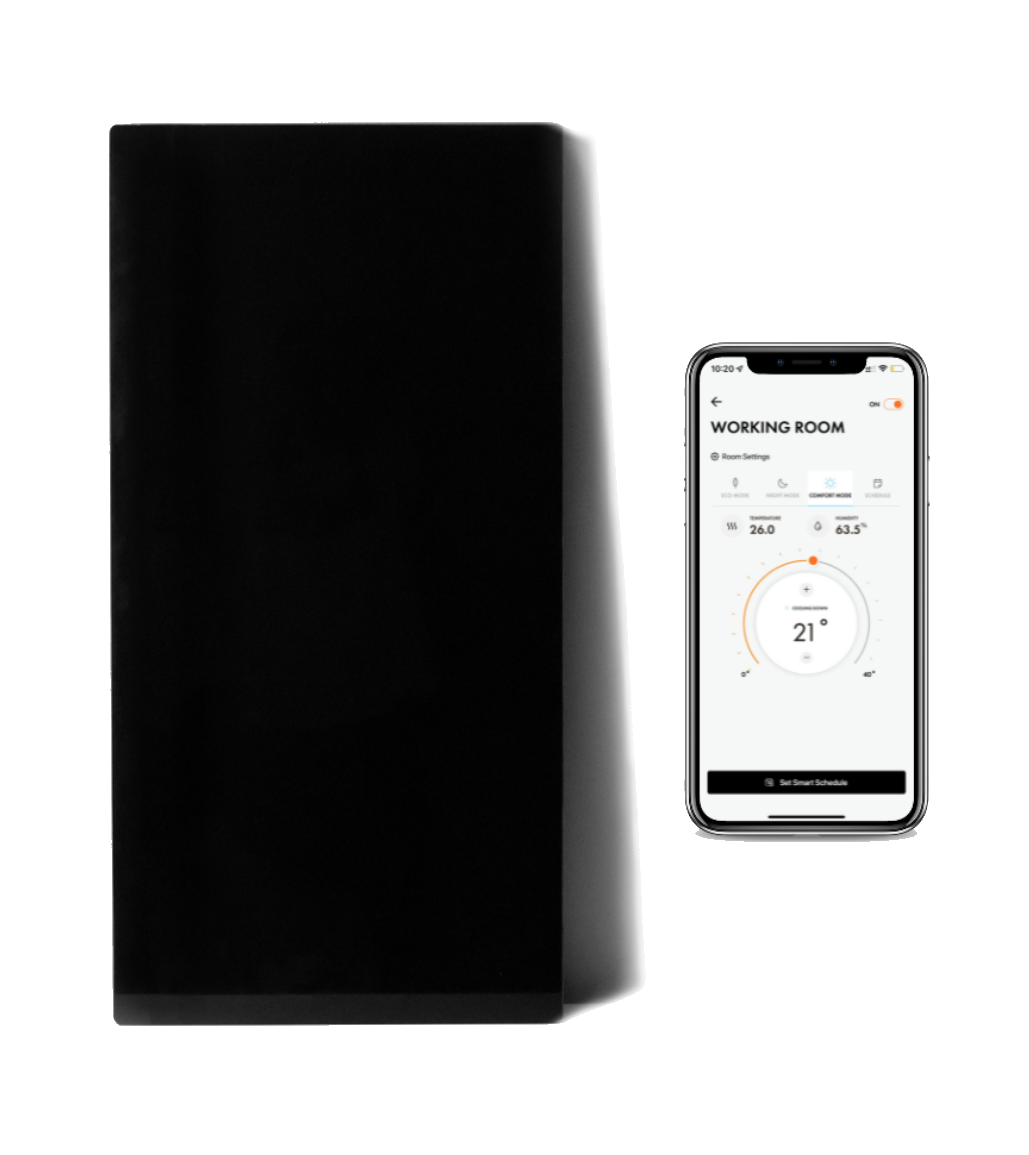
Kelvin - cost effective, smart electric heater
Stay warm and save more. Use code JONES15 to get 15% off your entire order—no strings attached.
Upgrade your comfort with a Kelvin today
What "No Permanent Install" Actually Excludes
Hardwired options are the first thing off the table for almost anyone who doesn't own the property outright: a 240V hardwired wall heater, a ductless mini-split, or in-floor radiant heat all require an electrician, often a permit, and a lease or management agreement rarely authorizes that kind of change without a separate conversation. If you're a renter or you manage a rental without ownership, this category is usually closed regardless of how well it would otherwise perform.
That leaves two real categories: fully portable heaters that need no installation at all, and heaters that mount without rewiring — typically via drywall anchors rather than an electrical hookup.
The Trade-off Between Them
A portable heater is the lowest-friction option — no holes in a wall, nothing to ask permission for, pack it up when the lease ends. The cost is that it carries the full portable-heater risk profile: tip-over exposure, the temptation to use an extension cord if the nearest outlet isn't convenient, and for short-term rental hosts specifically, a guest who doesn't know or follow the placement rules you'd follow yourself.
A heater that mounts via drywall anchors instead of hardwiring splits the difference — no electrician, no permanent wiring change, and it removes the tip-over and placement-drift risk a portable unit carries. Kelvin is built this way: wall-mounted, plug-in rather than hardwired, with drywall anchors included for what the product specs describe as a sub-5-minute DIY install.
One honest caveat: "no permanent install" doesn't automatically mean "no permission needed." Mounting anything to a wall — even with reversible drywall anchors — is still a physical modification, and most leases and management agreements expect at least a heads-up, if not written approval, before anything goes into the wall. That's a smaller ask than rewiring a circuit, but it's not nothing. Check your lease or your management agreement before mounting, not after.
For Short-Term Rental Hosts Specifically
The calculation shifts slightly when the person using the heater isn't you. A guest unfamiliar with a property won't know your placement habits — where the curtains hang, how close the bed is, whether the outlet is on an extension cord. A fixed, overheat-protected unit removes decisions a guest could get wrong, which matters more for liability in a space you're renting out than in your own home. It also means one less thing to walk guests through in a house-manual page.
Stay warm and save more. Use code JONES15 to get 15% off your entire order—no strings attached.
Upgrade your comfort with a Kelvin today
FAQ
Can renters install a wall-mounted heater without a landlord's permission?
Usually not without at least informing the landlord or property manager first — even a reversible, drywall-anchor install is a physical modification to the unit, and most leases expect notice or approval before anything goes into a wall.
Is a portable or a wall-mounted heater better for a short-term rental?
For guest use specifically, a fixed, overheat-protected wall-mounted unit removes placement decisions a guest unfamiliar with the space could get wrong — a meaningful liability consideration a host doesn't have in their own home.
Do hardwired heaters work for rental properties?
Generally not without ownership or explicit sign-off from the property owner, since hardwired installation (240V wall heaters, mini-splits, in-floor radiant) requires an electrician and usually a permit — changes most leases don't authorize unilaterally.
Bottom Line
Hardwired heating is off the table for most renters and hosts; the real choice is between a fully portable heater (no permission needed, full portable risk profile) and a drywall-mount unit like Kelvin that needs a quick heads-up to the landlord but removes tip-over and placement risk once it's up.


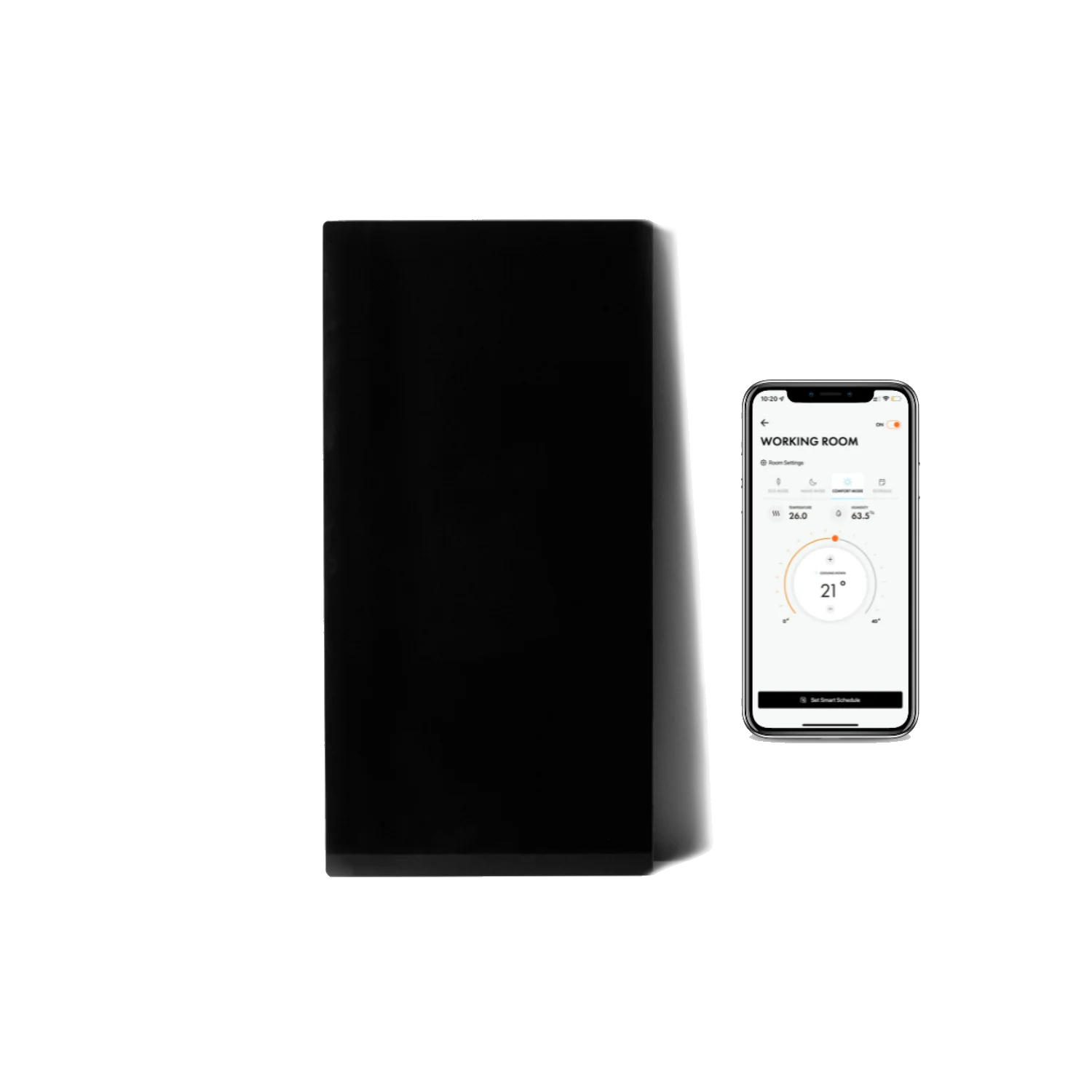
Kelvin - cost effective, smart electric heater
30% more cost effective than traditional heaters Smart functions to automate home climate Control remotely Maintenance Free Easy 5 minute installation
Try NowRecent Articles

Best Heater for Airbnb; Rental Properties, No Install
Best Heater for Airbnb & Rental Properties (No Permanent Insta...
Read More
How to Heat a Basement That's Always Cold
A basement runs cold for a different reason than a drafty upstairs...
Read More
Extension Cords and Space Heaters: CPSC's Real Warning
Extension Cords and Space Heaters: What CPSC Actually Warns About ...
Read More
Mini-Split Outdoor Unit Clearance 2026 Guide
A mini-split outdoor unit needs air. Lots of it. The condenser pull...
Read More
What Happens if Your Mini-Split Is Too Small?
Most homeowner sizing advice focuses on oversized mini-splits. But ...
Read More