






Yes, mini-splits save money for most homeowners — typically $500 to $1,500 per year in operating costs compared to what they replace. The exact savings depend on what you are replacing, your climate, local energy prices, and how you use the system. This guide covers the real numbers for US and Canadian homes in 2026, so you can calculate what you might save.
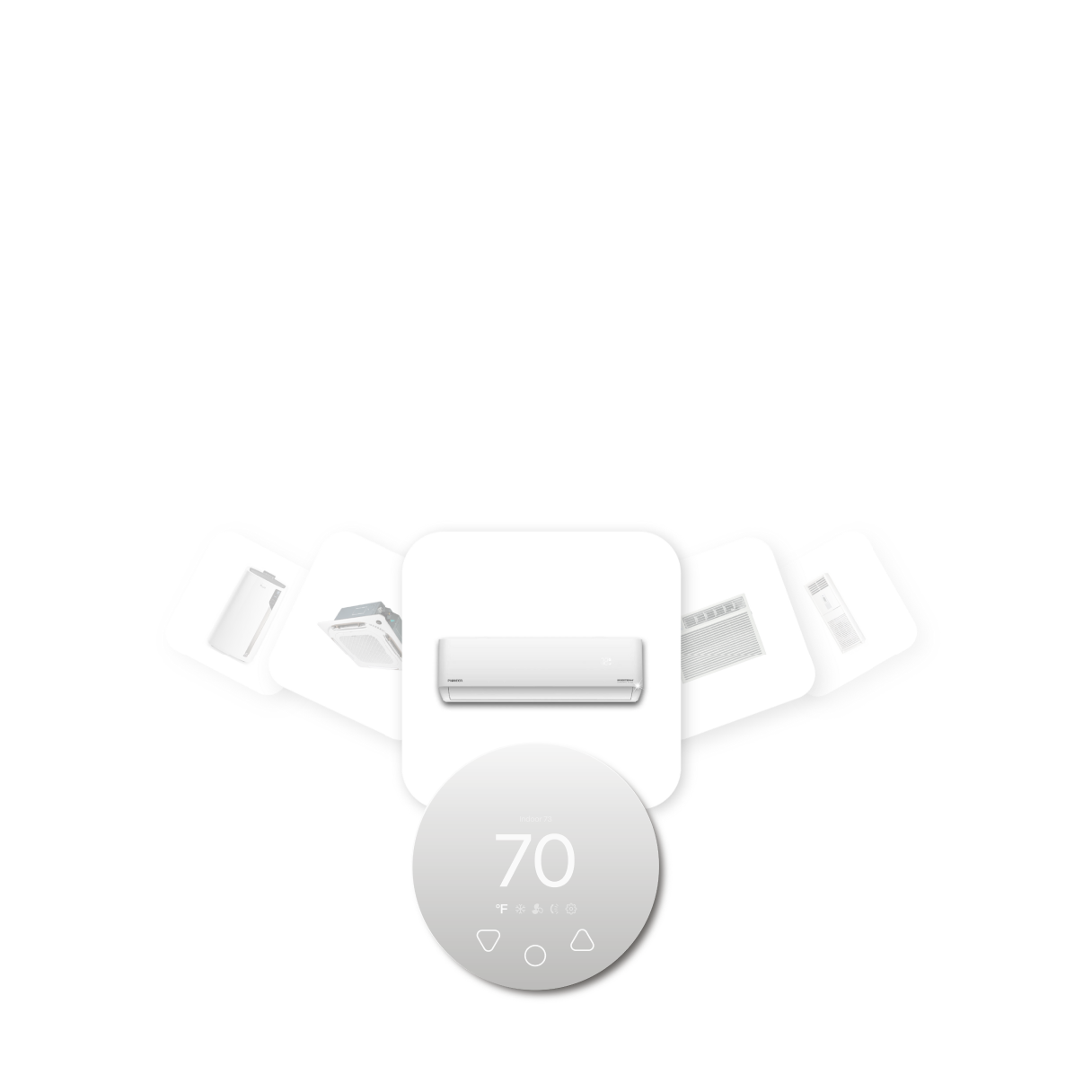
Compatible with all brands of ACs and Mini-Splits
Automate Climate Management
Control remotely
Reduce Energy Consumption
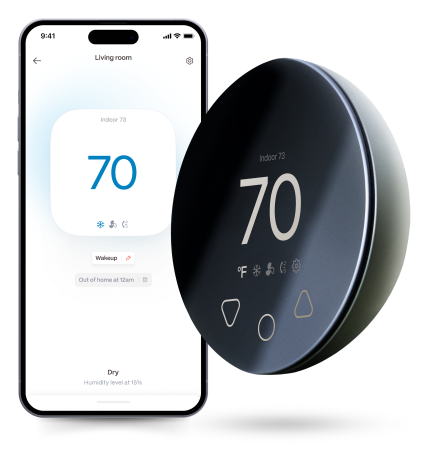
Monitor bills in realtimeKlima - Smart Home Thermostat for Mini-splits, Air Conditioners and Heatpumps
Annual Savings by Replacement Scenario
| Replacing This | Annual Savings (US) | Annual Savings (Canada) | Payback Period |
|---|---|---|---|
| Electric baseboard heat | $800–$1,500 | CAD $600–$1,400 | 2–4 years |
| Oil furnace / boiler | $600–$1,200 | CAD $800–$1,800 | 3–5 years |
| Propane heat | $500–$1,000 | CAD $500–$1,200 | 4–6 years |
| Window ACs + electric heat | $400–$900 | CAD $400–$1,000 | 5–8 years |
| Natural gas furnace (modern) | $0–$400 (varies) | CAD $0–$500 (varies) | Long / break-even |
| Old central AC (15+ years) | $200–$500 | CAD $200–$500 | 6–10 years |
How the Savings Break Down
Against Electric Baseboard Heat
Electric baseboard heaters deliver heat at a 1-to-1 efficiency ratio (COP of 1.0). Mini-splits deliver 2.5 to 4.0 units of heat per unit of electricity (COP of 2.5–4.0). This is the single largest efficiency gap in home heating — and it produces the largest savings. A typical whole-home replacement saves $800–$1,500 per year.
Against Oil and Propane
Heating oil and propane prices fluctuate significantly. In 2026, both remain expensive heating fuels in most markets. A mini-split heat pump running on electricity is typically 30–50% cheaper per BTU delivered — especially in regions where electricity costs $0.10–$0.16 per kWh.
Against Natural Gas
Natural gas is often the cheapest heating fuel by direct BTU comparison. Savings against a modern (95% AFUE) gas furnace depend heavily on the local gas-to-electricity price ratio. In markets where gas is cheap and electricity is expensive, savings may be minimal or negative. In markets where gas prices have risen and electricity rates are moderate, mini-splits can match or beat gas on operating cost.
Cooling Savings
Modern mini-splits have SEER2 ratings of 18–42. A minimum-efficiency central AC has a SEER2 of 13.4–14.3. For cooling, a high-efficiency mini-split uses 30–50% less electricity than an older or minimum-efficiency central system.
Factors That Increase Your Savings
- High electricity-to-fuel cost ratio: If your local natural gas or oil is expensive and electricity is moderate, heat pump savings are largest.
- Large existing inefficiencies: Replacing electric baseboard or an old central system maximizes savings. Replacing a modern high-efficiency system offers smaller savings.
- Heavy use patterns: Homes that use climate control many hours per day save more than occasional-use homes. Retirees at home all day typically see larger savings than working couples.
- Cold climate with cold-climate mini-split: In northern US and Canada, switching from oil or baseboard to a cold-climate heat pump can save $1,500+ annually.
- Zone control: Multi-zone mini-splits let you heat/cool only the rooms you are using, reducing total energy use beyond the efficiency advantage.
Factors That Reduce Your Savings
- Very cheap natural gas in your local market
- Home already has an efficient modern HVAC system
- Very high electricity rates (e.g., California, Hawaii)
- Light use (small home, part-time occupancy)
- Extreme cold climate without a cold-climate-specific model
Rebates and Tax Credits That Accelerate Payback
US — Federal: Up to $2,000 tax credit under the Inflation Reduction Act (Section 25C) for qualifying heat pumps.
US — State and Utility: Additional rebates of $500–$3,000 in many states, particularly the Northeast (Massachusetts, New York, Vermont, Maine) and Pacific Northwest (Washington, Oregon).
Canada — Federal: Greener Homes Grant offers up to CAD $5,000 for heat pump installations in qualifying homes.
Canada — Provincial: Ontario, British Columbia, Nova Scotia, Quebec, and other provinces offer additional rebates ranging from CAD $1,000 to CAD $6,500 depending on program.
With rebates, total upfront cost can drop by 30–60%, dramatically shortening payback periods. Some homeowners replacing electric baseboards see payback in under 2 years after rebates.
Real-World Savings Example
| Scenario | Detail |
|---|---|
| Home | 1,500 sq ft, 3-bedroom, electric baseboard heat + window ACs |
| Location | Upstate New York |
| Previous annual cost | $2,800 (heating) + $650 (cooling) = $3,450 |
| New mini-split annual cost | $1,400 (heating + cooling combined) |
| Annual savings | $2,050 |
| Installation cost (after $3,500 in rebates) | $7,500 |
| Payback period | ~3.7 years |
Frequently Asked Questions
How much will I actually save?
Calculate your current annual heating and cooling costs from your utility bills. Multiply by 0.4 to estimate mini-split costs for the same comfort level. The difference is your approximate annual savings. Ranges from $200 (if replacing modern efficient systems) to $2,000+ (if replacing baseboard heat in cold climates).
When do mini-splits NOT save money?
Rare scenarios where savings may be minimal or negative: you already have a new high-efficiency natural gas system and cheap local gas prices, or you live in a region with very high electricity rates and mild climate where existing cooling is efficient. For most North American homeowners, savings are substantial.
How long does it take to pay back the investment?
Typical payback periods range from 2 to 6 years after rebates. Homeowners replacing electric baseboard or oil heat see the fastest payback. Homeowners replacing modern gas systems see longer payback but still benefit from added cooling and zone control.
Related reading:
→ Are Mini-Splits Worth It? Honest 2026 Cost-Benefit Analysis
→ Mini-Split Running Cost Per Month: Real Numbers by Size
→ How Much Does a Mini-Split Cost? Full 2026 Guide


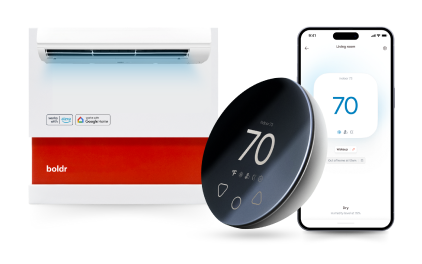
Klima - Smart Home Controller for Mini-splits, Air Conditioners and Heatpumps
Compatible with all brands of ACs and Mini-Splits Automate Climate Management Control remotely Reduce Energy Consumption Monitor bills in realtime
Try NowRecent Articles

Mini-Split Outdoor Unit Clearance 2026 Guide
A mini-split outdoor unit needs air. Lots of it. The condenser pull...
Read More
What Happens if Your Mini-Split Is Too Small?
Most homeowner sizing advice focuses on oversized mini-splits. But ...
Read More
Does a Mini-Split Need a Manual J Load Calculation?
A 500-square-foot room does not automatically need a 12,000 BTU min...
Read More
Signs Your Mini-Split May Have a Refrigerant Leak
A mini-split does not normally “use up” refrigerant the way a car u...
Read More
Mini-Split Minimum Capacity: Why It Matters
When homeowners compare mini-splits, they normally look at the bigg...
Read More