





Extension Cords and Space Heaters: What CPSC Actually Warns About
Most space heater safety advice focuses on placement — keep it away from curtains, don't put it on carpet. CPSC's cord guidance is a separate rule, stated just as bluntly: never plug a space heater into an extension cord or power strip. Here's the actual electrical reason, not just the warning.
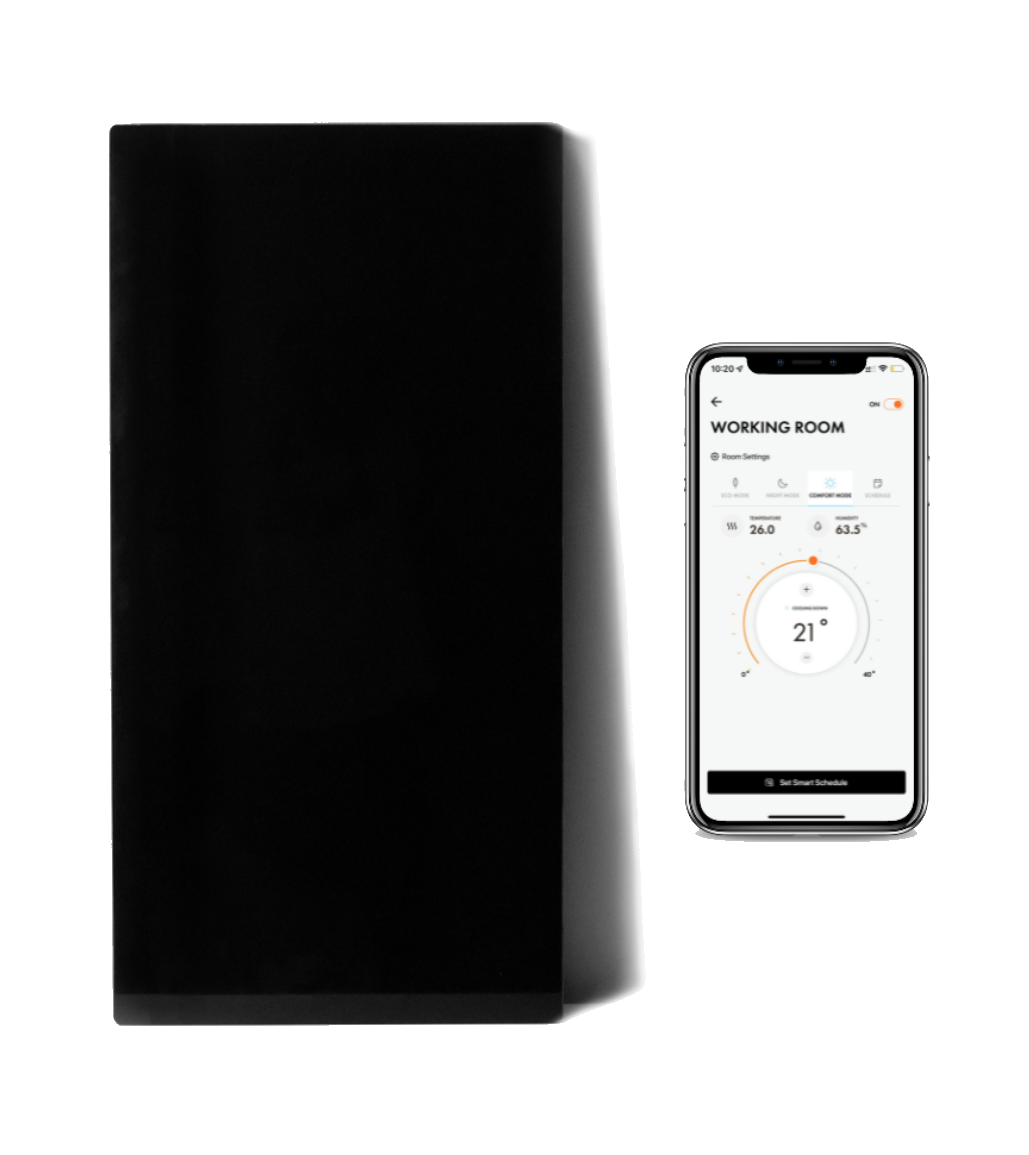
30% more cost effective than traditional heaters
Smart functions to automate home climate
Control remotely
Maintenance Free
Easy 5 minute installation
Kelvin - cost effective, smart electric heater
Stay warm and save more. Use code JONES15 to get 15% off your entire order—no strings attached.
Upgrade your comfort with a Kelvin today
Why This Rule Exists
A space heater is one of the highest sustained electrical loads in a typical home — a 1,500W unit draws around 12.5 amps continuously, close to the limit of a standard 15-amp household circuit. Extension cords and power strips are generally rated for lighter, intermittent loads — lamps, electronics, chargers — not hours of sustained high-current draw.
When a heater runs through an undersized cord anyway, the cord itself heats up internally. That heat builds inside the insulation, often somewhere you can't see it — behind furniture, under a rug, inside a wall gap — which is part of why CPSC's warning specifically calls out cords and power strips rather than just the heater itself. The ignition risk isn't the heater malfunctioning; it's the cord carrying more current than it was built for, for longer than it was built for.
CPSC's foundational warning on this dates to 1999 — "Faulty Extension Cords, Power Strips and Surge Protectors" — and the same guidance gets reiterated in CPSC's winter safety releases specifically naming space heaters as the device most likely to trigger this exact failure mode.
What Consumer Reports' Testing Guidance Adds
Consumer Reports' own safety testing guidance is direct on this point: never use extension cords or power strips with a space heater, and don't plug other devices into the same outlet the heater is using — sharing the circuit compounds the load problem the cord warning is about. Two more practical details from the same guidance: inspect the heater's own cord regularly for fraying or damage and stop using it if you find any, and don't run the cord under a rug or furniture, which traps heat the same way an underrated extension cord does.
What to Actually Do If Your Outlet Isn't Close Enough
The rule doesn't have a workaround — it has a different question: why isn't there an outlet close enough, and what's the actual fix?
- Use a different outlet, even if it's less convenient. A heater plugged directly into a wall outlet a few extra feet from where you want it is safer than a well-placed heater on an extension cord.
- Have an electrician add an outlet if a room genuinely needs heating regularly and lacks a nearby outlet — a one-time cost against an ongoing risk.
- Reconsider a mounted heater over a portable one. This is where mounting location matters for a reason beyond tip-over risk: a wall-mounted heater gets installed near a usable outlet once, rather than needing to reach wherever a portable unit happens to be placed that day. Kelvin is plug-in, not hardwired, but because it's fixed to a wall near its outlet, it doesn't create the "heater's over here, outlet's over there" gap that leads to an extension cord in the first place.
FAQ
Can you use a heavy-duty extension cord with a space heater?
CPSC and Consumer Reports' guidance doesn't carve out an exception for "heavy-duty" cords — the recommendation is to avoid extension cords and power strips with space heaters entirely, regardless of gauge or rating.
Why specifically are space heaters singled out for this warning?
Because of sustained current draw. A 1,500W heater pulls close to a standard circuit's full rated capacity, continuously, for as long as it runs — a load profile most extension cords and power strips aren't built to carry for extended periods.
Is it safer to plug a space heater into a power strip with a built-in circuit breaker?
No — CPSC's guidance doesn't distinguish by power strip features. The underlying issue is sustained high current through a cord not rated for it; a circuit breaker on the strip doesn't change that.
What should I do if my room doesn't have an outlet near where I need heat?
Use the nearest wall outlet directly, even if it means repositioning the heater, or have an electrician add an outlet. Don't bridge the gap with an extension cord.
Stay warm and save more. Use code JONES15 to get 15% off your entire order—no strings attached.
Upgrade your comfort with a Kelvin today
Bottom Line
CPSC's rule has no exceptions: a space heater goes directly into a wall outlet, never an extension cord or power strip, because of how much current it draws for how long. If the real problem is an outlet that's never in the right place, a wall-mounted unit like Kelvin gets installed near one, permanently, instead of needing a cord to reach it.


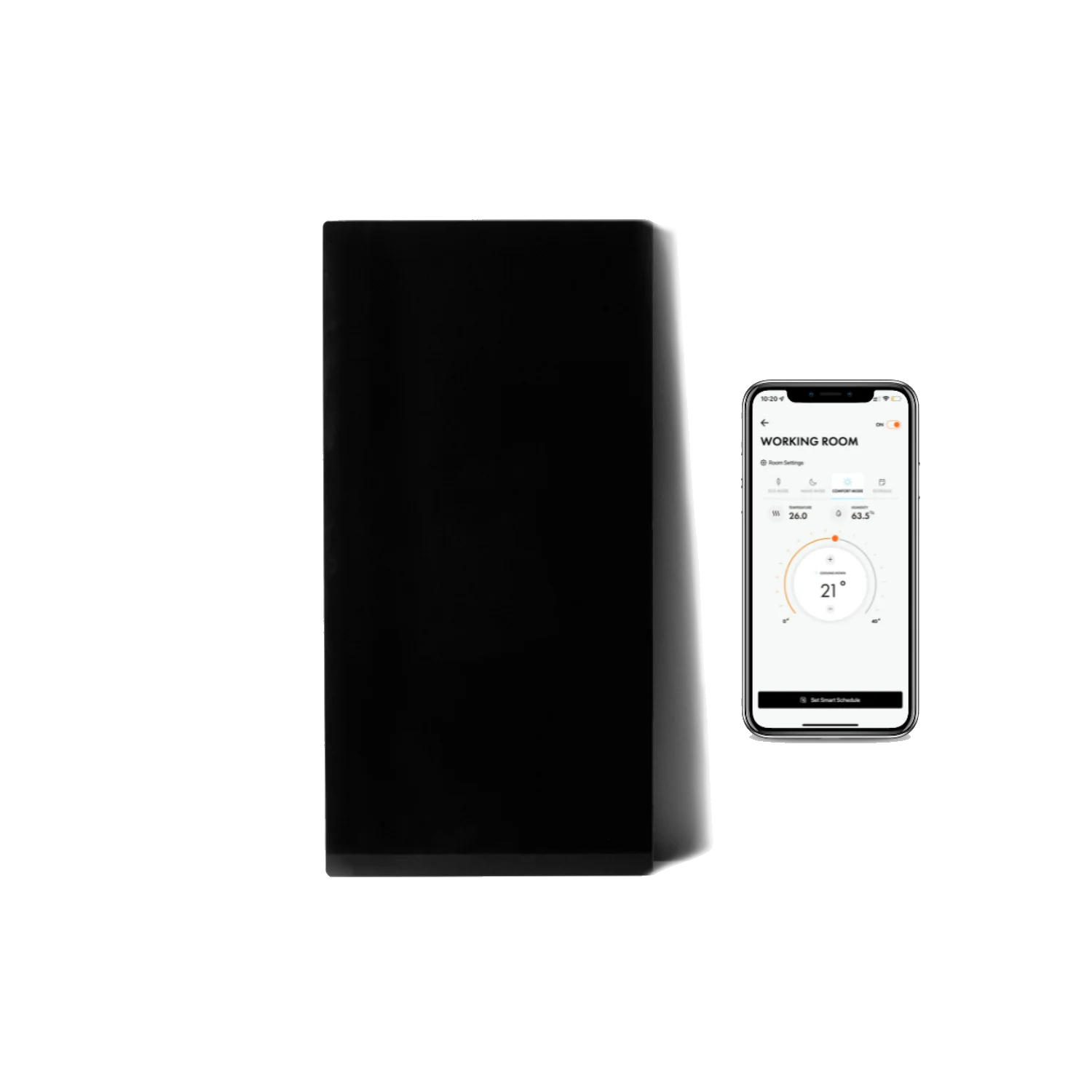
Kelvin - cost effective, smart electric heater
30% more cost effective than traditional heaters Smart functions to automate home climate Control remotely Maintenance Free Easy 5 minute installation
Try NowRecent Articles

How to Heat a Basement That's Always Cold
A basement runs cold for a different reason than a drafty upstairs...
Read More
Extension Cords and Space Heaters: CPSC's Real Warning
Extension Cords and Space Heaters: What CPSC Actually Warns About ...
Read More
Mini-Split Outdoor Unit Clearance 2026 Guide
A mini-split outdoor unit needs air. Lots of it. The condenser pull...
Read More
What Happens if Your Mini-Split Is Too Small?
Most homeowner sizing advice focuses on oversized mini-splits. But ...
Read More
Does a Mini-Split Need a Manual J Load Calculation?
A 500-square-foot room does not automatically need a 12,000 BTU min...
Read More