






Installing a through-the-wall air conditioner is one of the cleanest, most permanent cooling solutions for a single room. Unlike window units, these ductless systems sit flush inside your wall using a metal sleeve, offering better insulation, security, and appearance.
But here’s the reality:
Through-the-wall air conditioner installation is not a plug-and-play project.
You are cutting a structural opening into an exterior wall. Measurements, framing, drainage tilt, and electrical setup must be done correctly to avoid water damage, air leaks, and long-term structural issues.
Cost Breakdown: DIY vs Professional Installation
Through-the-wall AC installation costs vary depending on wall type, electrical requirements, and whether you hire a contractor.
|
Expense
|
DIY Cost |
With Professional |
|
AC Unit
|
$400–900 |
$400–900 |
|
Wall Sleeve
|
$100–200 |
$100–200 |
|
Framing & Materials
|
$50–150 |
Included |
|
Labor
|
$0 |
$400–800 |
|
Electrical (if needed)
|
$150–400 |
$150–400 |
|
Total
|
$700–1,650 |
$1,150–2,300 |
Costs trend higher if:
-
You have brick, stucco, or masonry walls
-
You need a new 230V circuit
-
Structural framing is complex
For many homeowners, the decision comes down to comfort with tools and electrical safety.
What Makes Through-the-Wall Installation Different
Through-the-wall air conditioners are not window units.
Window units are temporary and forgiving. Through-the-wall units are permanent and structural.
Key differences:
1. Permanent Wall Sleeve
The AC slides into a metal sleeve that is fixed into your exterior wall. The sleeve must be properly framed, leveled, and sealed.
2. Structural Framing Required
You may cut through load-bearing studs. That means building a proper header and support frame to maintain wall integrity.
3. Drainage Tilt Matters
The sleeve must tilt slightly outward (about ¼ inch) so condensation drains outside. Skip this step and you risk water damage and mold.
4. Electrical Requirements
Many units require a dedicated 120V or 230V circuit. Incorrect wiring can cause overheating or fire hazards.
Through-the-wall installation requires precision. Sloppy work that might be tolerated in a window unit is expensive here.

Step-by-Step Through-the-Wall Air Conditioner Installation
Step 1: Choose the Right Location
Select an exterior wall with:
-
Electrical access
-
1–5 feet height from floor
-
No exterior airflow obstructions
-
Minimal structural interference
Use a stud finder with electrical detection to mark studs and wires before cutting.
Step 2: Mark and Measure the Opening
Use the manufacturer’s template or measure the sleeve and add framing space (about 2.5 inches per side).
Use a level carefully. Even small errors can affect drainage and alignment.
Step 3: Cut the Interior Wall
Turn off nearby electrical breakers.
Cut drywall carefully and remove insulation. Use a reciprocating saw to cut studs that intersect the opening.
Support cut studs before removing them.
Step 4: Build the Support Frame
Install horizontal 2x4 header and sill boards to redistribute structural load.
Add vertical framing studs on both sides of the opening.
This restores the wall’s structural integrity.
Step 5: Cut the Exterior Wall
Drill pilot holes from inside. Mark the cut lines outside.
Cut siding or masonry carefully using the correct blade.
Exterior repair mistakes are more visible and expensive.
Step 6: Install the Metal Sleeve
Slide the sleeve into the opening.
Important:
Tilt it slightly outward for proper drainage.
Secure it through flange holes into framing studs.
Step 7: Weatherproof and Insulate
Seal gaps with spray foam (lightly applied).
Apply exterior-grade caulk around the sleeve perimeter.
Install weatherstripping where the AC unit meets the sleeve.
Air leaks reduce efficiency and increase energy bills.
Step 8: Handle Electrical Connections
Verify circuit capacity.
Larger units (14,000+ BTU) may require 230V.
If unsure about electrical work, hire a licensed electrician. Code violations can complicate future home sales.
Step 9: Slide in the Unit and Finish
With help, slide the AC unit into the sleeve.
Secure using manufacturer hardware.
Finish drywall edges and exterior trim.
Test drainage and airflow before final sealing.
When to Call in a Professional
DIY installation works if you’re comfortable with framing and basic electrical work.
Call a professional if:
-
You have brick, concrete, or stucco walls
-
No dedicated circuit exists
-
You need to cut multiple load-bearing studs
-
The home was built before 1980 (asbestos risk)
-
You lack framing experience
Most HVAC contractors complete installations in 2–4 hours.
Compatible with all brands of ACs and Mini-Splits
Automate Climate Management
Control remotely
Reduce Energy Consumption
Monitor bills in realtimeKlima - Smart Home Thermostat for Mini-splits, Air Conditioners and Heatpumps
How to Avoid Rookie Mistakes
Three common errors cause expensive repairs:
1. Forgetting Drainage Tilt
Without a slight outward slope, condensation pools inside the wall cavity.
2. Undersized Header Framing
Cutting multiple studs without proper reinforcement can cause wall sagging.
3. Poor Sealing
Skipping weatherstripping and caulking leads to air leakage and energy waste.
Take your time on measurement and sealing. Precision saves money.

What Is Klima?
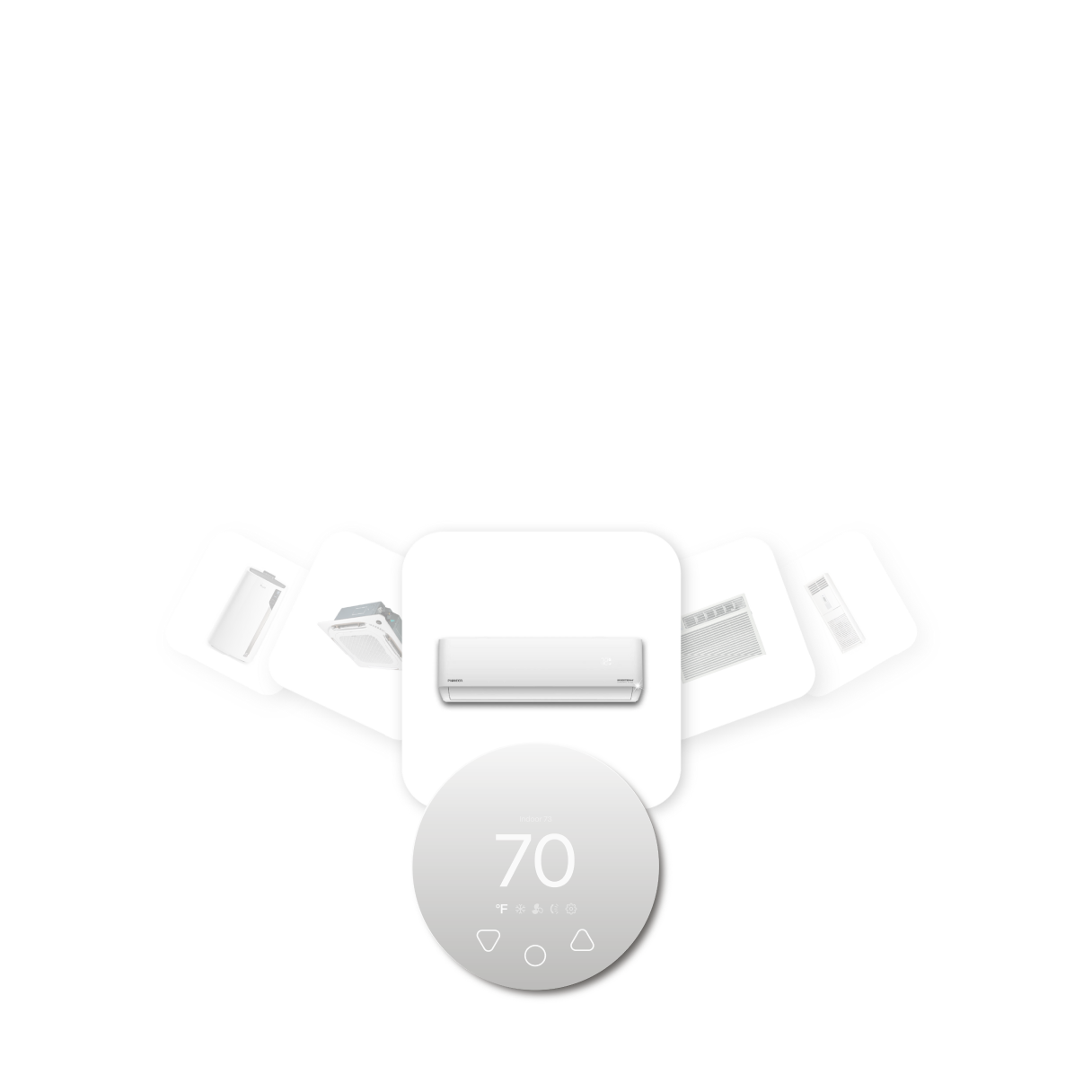
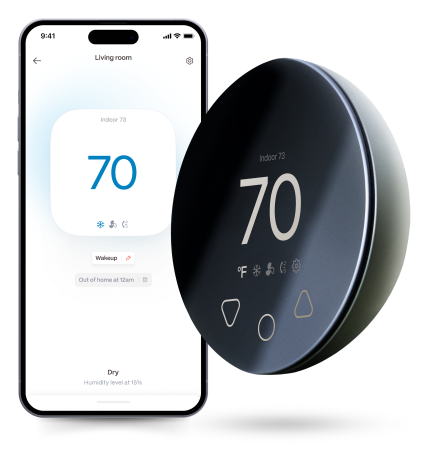
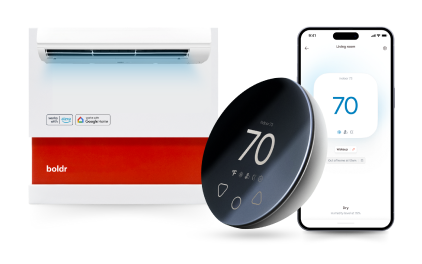
Klima is a smart controller designed for mini-splits, window air conditioners, and portable AC units.
After installing a through-the-wall AC, Klima upgrades your through-the-wall air conditioning system with smart automation.
It works with both new and older ductless ACs, allowing homeowners to add smart features instantly.
Beyond convenience, Klima reduces energy waste and supports healthier system operation, extending equipment lifespan.
Smart Home Compatibility
Klima integrates with Amazon Alexa, Google Home, Apple HomeKit, SmartThings, and Google Assistant.

Conclusion
Through-the-wall air conditioner installation offers a clean, permanent cooling solution — but it requires precision.
Understanding cost breakdown, structural framing, drainage tilt, and electrical requirements ensures a successful install.
Avoid rookie mistakes, seal everything properly, and consider smart automation to maximize efficiency after installation.
A properly installed and intelligently controlled through-the-wall AC unit can deliver reliable cooling for 15–20 years.
Installation day is only the beginning. Smart operation determines long-term performance and cost savings.
FAQ
How much does through-the-wall air conditioner installation cost?
DIY installation ranges from $700–1,650. Professional installation ranges from $1,150–2,300 depending on wall type and electrical needs.
Is through-the-wall AC better than a window unit?
Through-the-wall units are more permanent, secure, and better insulated but require structural installation.
Do I need a dedicated circuit?
Many units require a dedicated 120V or 230V circuit. Always verify electrical requirements before installation.
How long does installation take?
DIY may take a full day. Professionals typically complete installation in 2–4 hours.
Can I add smart control to a through-the-wall AC?
Yes. Smart controllers like Klima allow automation, remote control, and energy tracking without replacing the AC unit.


Klima - Smart Home Controller for Mini-splits, Air Conditioners and Heatpumps
Compatible with all brands of ACs and Mini-Splits Automate Climate Management Control remotely Reduce Energy Consumption Monitor bills in realtime
Try NowRecent Articles

Mini-Split Outdoor Unit Clearance 2026 Guide
A mini-split outdoor unit needs air. Lots of it. The condenser pull...
Read More
What Happens if Your Mini-Split Is Too Small?
Most homeowner sizing advice focuses on oversized mini-splits. But ...
Read More
Does a Mini-Split Need a Manual J Load Calculation?
A 500-square-foot room does not automatically need a 12,000 BTU min...
Read More
Signs Your Mini-Split May Have a Refrigerant Leak
A mini-split does not normally “use up” refrigerant the way a car u...
Read More
Mini-Split Minimum Capacity: Why It Matters
When homeowners compare mini-splits, they normally look at the bigg...
Read More