







A mini-split keeping one room or area cold while another stays warm is one of the most common multi-zone complaints — but it also occurs in single-zone systems where airflow distribution is uneven. The root cause is almost always one of five identifiable problems: louvre direction, a closed or isolated room, multi-zone refrigerant imbalance, undersizing, or airflow obstruction. This guide walks through each in order.
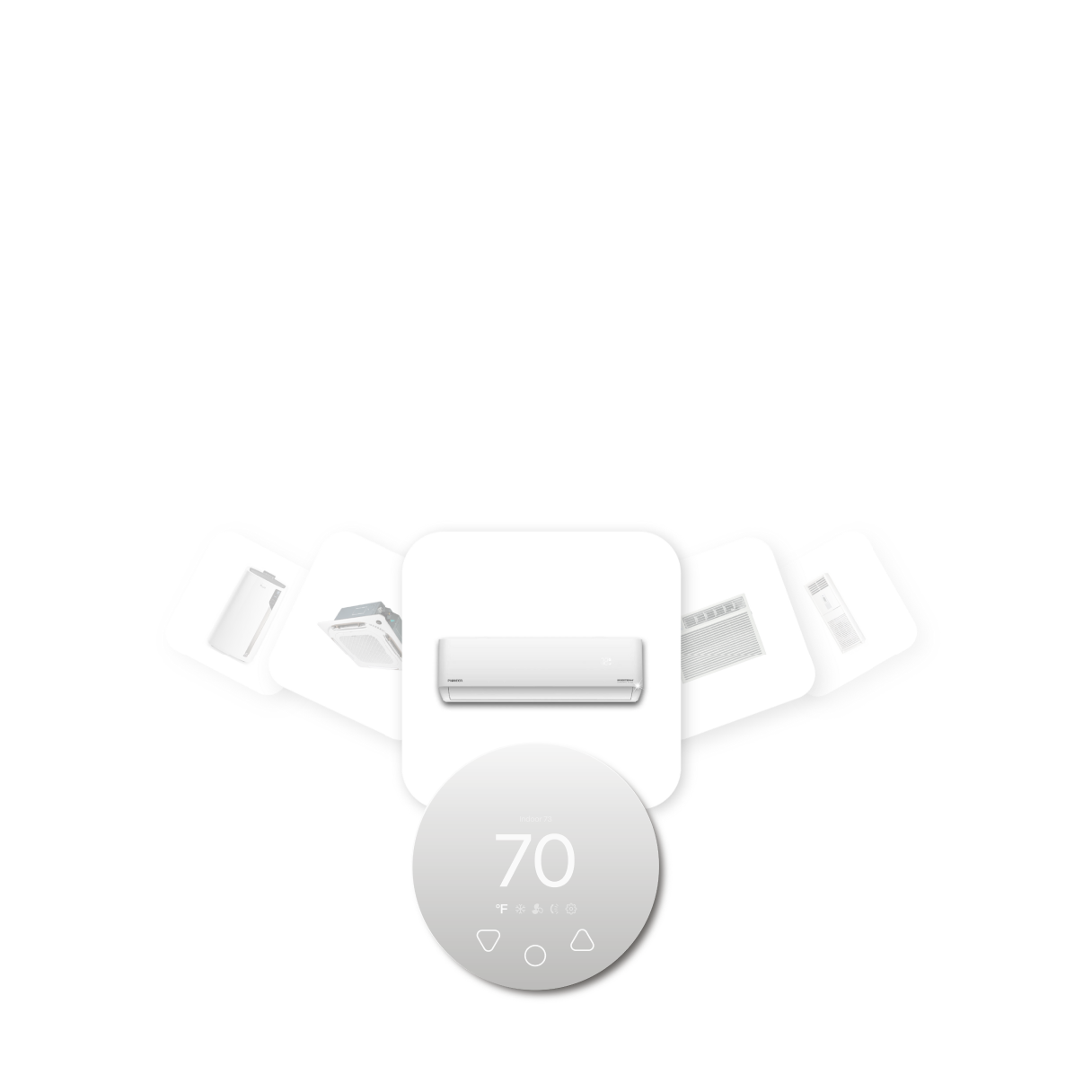
Compatible with all brands of ACs and Mini-Splits
Automate Climate Management
Control remotely
Reduce Energy Consumption
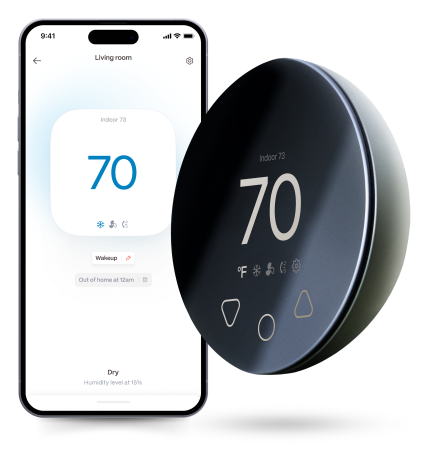
Monitor bills in realtimeKlima - Smart Home Thermostat for Mini-splits, Air Conditioners and Heatpumps
Single-Zone vs Multi-Zone: Different Problems
| System Type | Most Common Cause of Uneven Temperature | Fix |
|---|---|---|
| Single-zone, one room | Louvres aimed wrong; unit too far from hot/cold spot | Adjust louvre angle; use oscillating mode |
| Single-zone, open-plan space | Unit undersized for the total area; far corners not reached | Add a second zone at the far end; verify BTU sizing |
| Single-zone, bedroom door closed | Air cannot circulate past the closed door to the adjacent room | Install a second indoor unit for isolated rooms; or leave door ajar |
| Multi-zone system | One zone drawing more refrigerant than another; setpoint conflict | Verify zone setpoints; call technician for refrigerant balance check |
Louvre Angle: The Most Overlooked Fix
In cooling mode, cold air is denser and falls. If louvres are angled downward, cool air pools near the floor directly below the unit and the far corners of the room remain warm. Set louvres to horizontal or slightly upward in cooling mode — this allows cold air to mix with room air as it travels further before dropping. Most remotes have a louvre/swing button that controls this.
Multi-Zone Imbalance
In a multi-zone system, all indoor units share refrigerant from one outdoor unit. If one zone (say, a large living room) calls for cooling at full capacity while a smaller bedroom also calls for cooling, the outdoor unit prioritises the higher demand — the smaller zone receives less refrigerant flow and cools more slowly. Solutions:
- Set different setpoints by zone — do not run all zones at the same temperature simultaneously at full demand
- Use fan-only mode in zones that have already reached setpoint to stop demanding refrigerant
- Have a technician verify the multi-zone refrigerant distribution balance if one zone consistently underperforms
Ceiling Fans as a Low-Cost Fix
A ceiling fan running on low speed improves air distribution dramatically in any room with a mini-split. In summer, run the fan counter-clockwise (creates a downdraft that mixes the air). In winter, run it clockwise on low (pushes warm air pooled at the ceiling back down). This is the single cheapest upgrade to improve temperature evenness in a mini-split-cooled or heated room.
Stay cool and save more. Use code JONES15 to get 15% off your entire order—no strings attached.
Upgrade your comfort with a Klima today.
Frequently Asked Questions
My mini-split is cold near the unit but my bedroom on the other side of the house stays warm — what's happening?
A single indoor unit conditions the room it is in — it cannot meaningfully condition a separate room on the other side of a wall or down a hallway. Mini-splits are room-level systems, not whole-home systems. The correct solution is a second indoor unit (another zone on a multi-zone outdoor unit, or a separate single-zone system) in the bedroom. Trying to cool an adjacent room through an open door works only if the spaces are directly connected and the system is sized for the combined area.
Related reading:
→ Mini-Split Sizing Guide: How to Choose the Right BTU
→ Multi-Zone vs Single-Zone Mini-Split: Cost and Performance
→ Mini-Split Not Reaching Temperature: Causes and Fixes


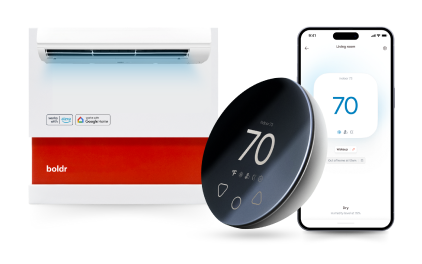
Klima - Smart Home Controller for Mini-splits, Air Conditioners and Heatpumps
Compatible with all brands of ACs and Mini-Splits Automate Climate Management Control remotely Reduce Energy Consumption Monitor bills in realtime
Try NowRecent Articles

Mini-Split Outdoor Unit Clearance 2026 Guide
A mini-split outdoor unit needs air. Lots of it. The condenser pull...
Read More
What Happens if Your Mini-Split Is Too Small?
Most homeowner sizing advice focuses on oversized mini-splits. But ...
Read More
Does a Mini-Split Need a Manual J Load Calculation?
A 500-square-foot room does not automatically need a 12,000 BTU min...
Read More
Signs Your Mini-Split May Have a Refrigerant Leak
A mini-split does not normally “use up” refrigerant the way a car u...
Read More
Mini-Split Minimum Capacity: Why It Matters
When homeowners compare mini-splits, they normally look at the bigg...
Read More