





The amount of electricity a mini-split uses depends on its capacity, efficiency, operating mode, outdoor temperature and how long it runs.
Two households with identical mini-splits may have very different electricity bills because their room sizes, climates, insulation and daily routines are different.
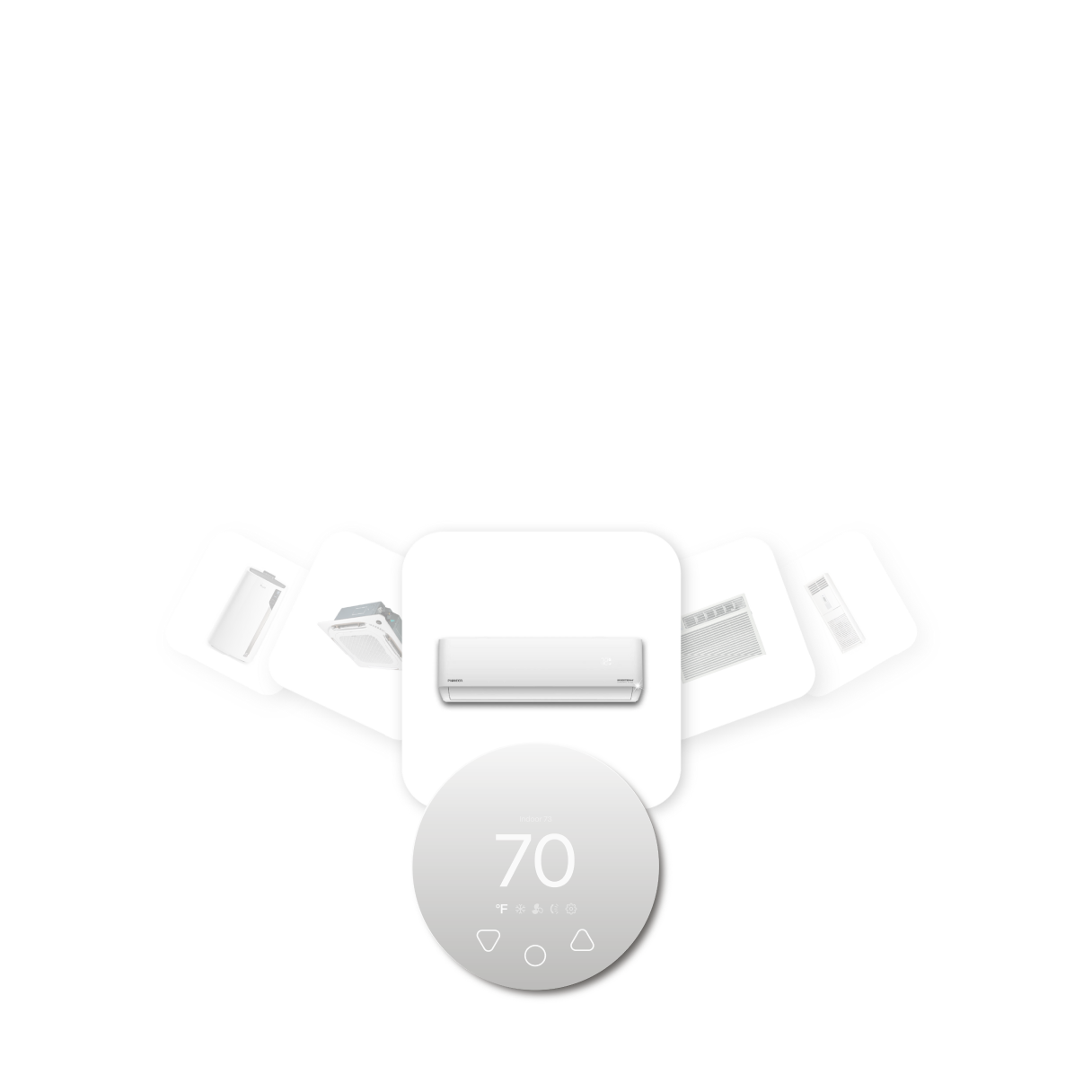
Compatible with all brands of ACs and Mini-Splits
Automate Climate Management
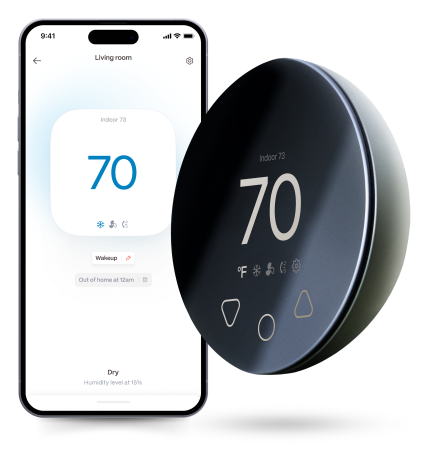
Control remotely
Reduce Energy Consumption
Monitor bills in realtimeKlima - Smart Home Thermostat for Mini-splits, Air Conditioners and Heatpumps
How to Estimate Mini-Split Electricity Cost
Use this formula:
Power in kilowatts × hours used × electricity rate = estimated cost
For example, if a system averages 1 kilowatt for five hours and electricity costs $0.20 per kilowatt-hour:
1 × 5 × $0.20 = $1 per day
This is only an illustration. Inverter mini-splits continuously adjust their output, so actual consumption can rise and fall throughout the day.
For a more accurate estimate, use measured electricity consumption rather than the maximum wattage printed on the unit.
What Affects Mini-Split Energy Use?
Outdoor temperature
The larger the difference between the outdoor temperature and your indoor setpoint, the harder the system may need to work.
Temperature setting
Selecting an extremely low cooling temperature or high heating temperature can increase runtime.
Room size
A system that is too small may struggle to reach the setpoint. A poorly selected system can also have comfort and humidity-control problems.
Insulation and air leakage
Poorly insulated walls, gaps around windows and open doors allow conditioned air to escape.
Stay cool and save more. Use code JONES15 to get 15% off your entire order—no strings attached.
Upgrade your comfort with a Klima today.
Dirty filters
Restricted airflow can reduce performance and make it harder to condition the room.
Sun exposure
Rooms with large windows or direct afternoon sun may require more cooling.
Number of indoor units
A multi-zone system serving several rooms can use more energy than a single-zone mini-split, although each zone can be controlled independently.
Are Mini-Splits Energy Efficient?
Mini-splits avoid the duct losses associated with traditional ducted systems and allow rooms to be controlled separately. The Department of Energy identifies them as a flexible option for homes or businesses that need zoned cooling without ductwork.
Actual savings depend on the equipment, installation and how the household uses it.
How to Reduce Mini-Split Electricity Use
- Choose a moderate temperature.
- Keep windows and exterior doors closed.
- Clean the filters regularly.
- Use curtains or blinds during strong sunlight.
- Avoid cooling unused rooms unnecessarily.
- Use schedules to match occupancy.
- Check for open windows.
- Have persistent performance problems inspected.
- Track actual energy use where possible.


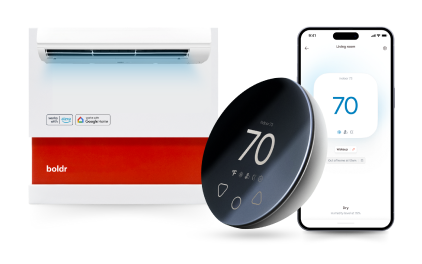
Klima - Smart Home Controller for Mini-splits, Air Conditioners and Heatpumps
Compatible with all brands of ACs and Mini-Splits Automate Climate Management Control remotely Reduce Energy Consumption Monitor bills in realtime
Try NowRecent Articles

Mini-Split Outdoor Unit Clearance 2026 Guide
A mini-split outdoor unit needs air. Lots of it. The condenser pull...
Read More
What Happens if Your Mini-Split Is Too Small?
Most homeowner sizing advice focuses on oversized mini-splits. But ...
Read More
Does a Mini-Split Need a Manual J Load Calculation?
A 500-square-foot room does not automatically need a 12,000 BTU min...
Read More
Signs Your Mini-Split May Have a Refrigerant Leak
A mini-split does not normally “use up” refrigerant the way a car u...
Read More
Mini-Split Minimum Capacity: Why It Matters
When homeowners compare mini-splits, they normally look at the bigg...
Read More