







A mini-split in a condo presents unique considerations that do not apply to single-family homes — strata or condo board approval, restrictions on outdoor unit placement, line set routing through common property, and noise bylaws. This guide covers everything condo owners need to know before purchasing and installing a mini-split, including what questions to ask your building management and how to navigate the approval process.
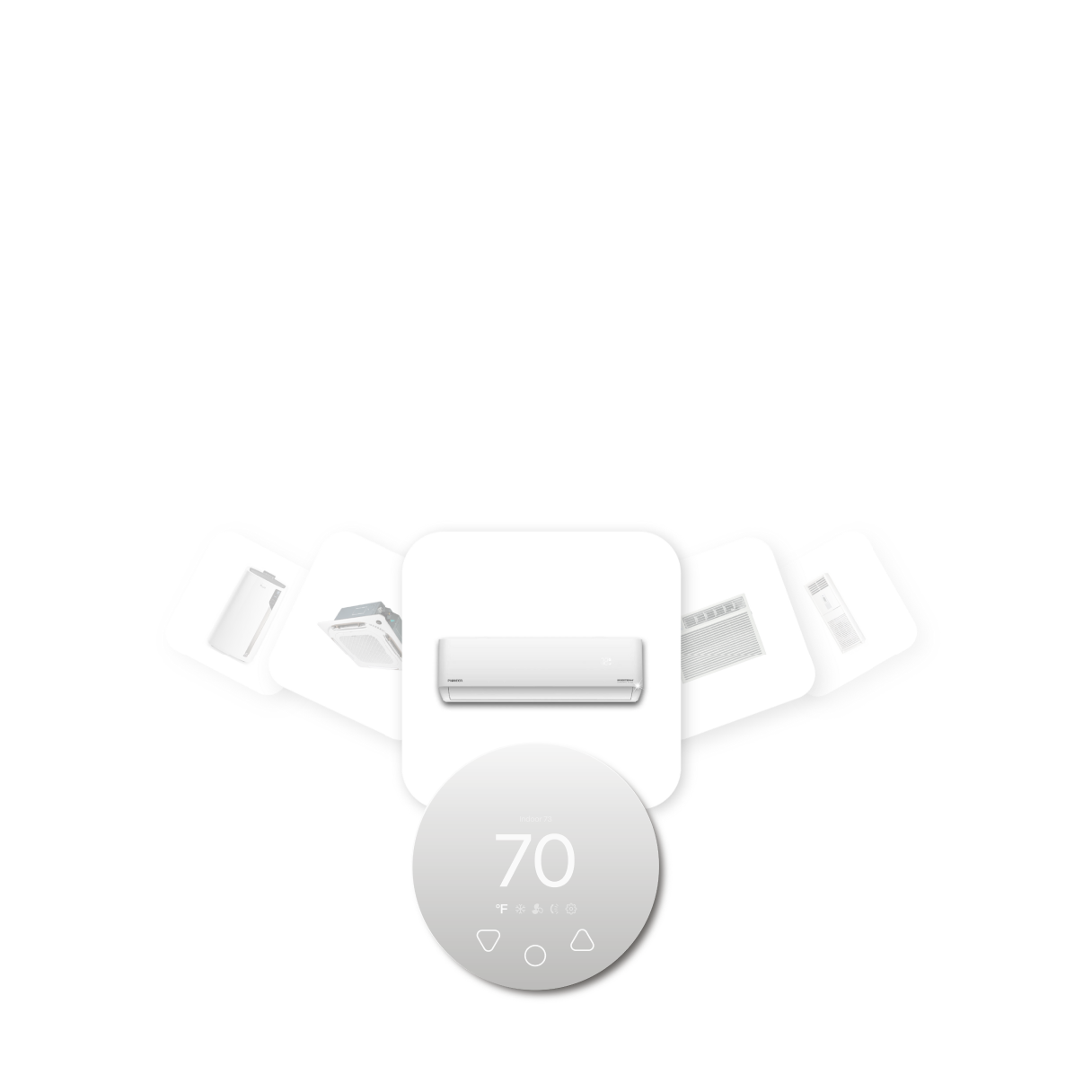
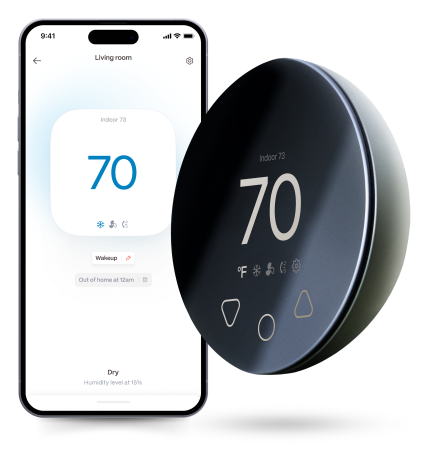
Compatible with all brands of ACs and Mini-Splits
Automate Climate Management
Control remotely
Reduce Energy Consumption
Monitor bills in realtimeKlima - Smart Home Thermostat for Mini-splits, Air Conditioners and Heatpumps
Condo-Specific Considerations
1. Condo Board or Strata Approval
In most condominiums, any modification to the exterior of the unit — including mounting an outdoor unit or penetrating an exterior wall — requires condo board or strata council approval. Apply for approval before purchasing equipment. The approval process typically requires submitting installation plans showing the proposed outdoor unit location, line set routing, and wall penetration location.
2. Outdoor Unit Placement
This is the most common challenge in condo installations. Options depend on building configuration:
- Balcony mounting: Most common solution — the outdoor unit mounts on the balcony floor or railing. Requires condo board approval; may require soundproofing or vibration isolation to avoid noise complaints.
- Rooftop access: Some buildings provide rooftop mechanical space for unit owners — requires long line set runs (typically 50–100 ft or more) and professional installation.
- Exterior wall bracket: For units with exterior wall access (ground floor or accessible wall), a wall-mounted bracket is an option. Often requires structural approval.
3. Line Set Routing
The refrigerant line set must run from the indoor unit to the outdoor unit. In condos, this often means routing through common areas, elevator shafts, or other units' space — which requires building management approval and coordination. The installer must provide a clear routing plan as part of the approval package.
4. Electrical
The dedicated 240V circuit for the mini-split must be connected to your unit's electrical panel. In some older condo buildings, electrical capacity may be limited — have an electrician assess panel capacity before proceeding.
Sizing a Mini-Split for a Condo
| Condo Size | Zones | Recommended BTU |
|---|---|---|
| Studio / 1-bed (400–600 sq ft) | 1 | 9,000–12,000 BTU |
| 2-bedroom (700–1,000 sq ft) | 1–2 | 12,000–18,000 BTU (single) or 2 × 9,000 (two zones) |
| 3-bedroom (1,000–1,400 sq ft) | 2–3 | Multi-zone 2–3 indoor units |
Frequently Asked Questions
Can my landlord or condo board refuse a mini-split installation?
Yes — condo boards and strata councils have broad authority over exterior modifications and common property access. In practice, many buildings do permit mini-split installations with appropriate approval; others do not allow outdoor units on balconies due to noise or aesthetic concerns. Always get written approval before purchasing equipment.
What about noise from the outdoor unit on a balcony?
Modern mini-split outdoor units operate at 45–55 dB — comparable to a quiet residential street. On a balcony, the sound is audible but typically not disruptive to neighbours. Installing vibration isolation pads and positioning the unit so the discharge faces outward rather than toward neighbouring balconies minimises noise impact. Some buildings require a minimum sound level documentation from the manufacturer as part of the approval process.
Stay cool and save more. Use code JONES15 to get 15% off your entire order—no strings attached.
Upgrade your comfort with a Klima today.
Related reading:
→ Mini-Split Outdoor Unit Placement: Rules and Best Locations
→ Mini-Split for Apartment: What Renters Need to Know
→ How Much Does a Mini-Split Cost? Full 2026 Guide


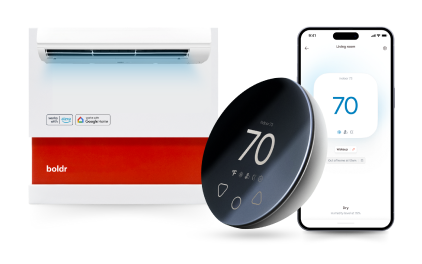
Klima - Smart Home Controller for Mini-splits, Air Conditioners and Heatpumps
Compatible with all brands of ACs and Mini-Splits Automate Climate Management Control remotely Reduce Energy Consumption Monitor bills in realtime
Try NowRecent Articles

Mini-Split Outdoor Unit Clearance 2026 Guide
A mini-split outdoor unit needs air. Lots of it. The condenser pull...
Read More
What Happens if Your Mini-Split Is Too Small?
Most homeowner sizing advice focuses on oversized mini-splits. But ...
Read More
Does a Mini-Split Need a Manual J Load Calculation?
A 500-square-foot room does not automatically need a 12,000 BTU min...
Read More
Signs Your Mini-Split May Have a Refrigerant Leak
A mini-split does not normally “use up” refrigerant the way a car u...
Read More
Mini-Split Minimum Capacity: Why It Matters
When homeowners compare mini-splits, they normally look at the bigg...
Read More