






A mini-split can cool a kitchen, but kitchens are demanding environments for indoor HVAC equipment.
Cooking introduces heat, grease, steam, smoke and airborne particles. Poor placement can lead to dirty filters, coated blower wheels, misleading temperature readings and difficult maintenance.
The system should complement—not replace—proper kitchen ventilation.
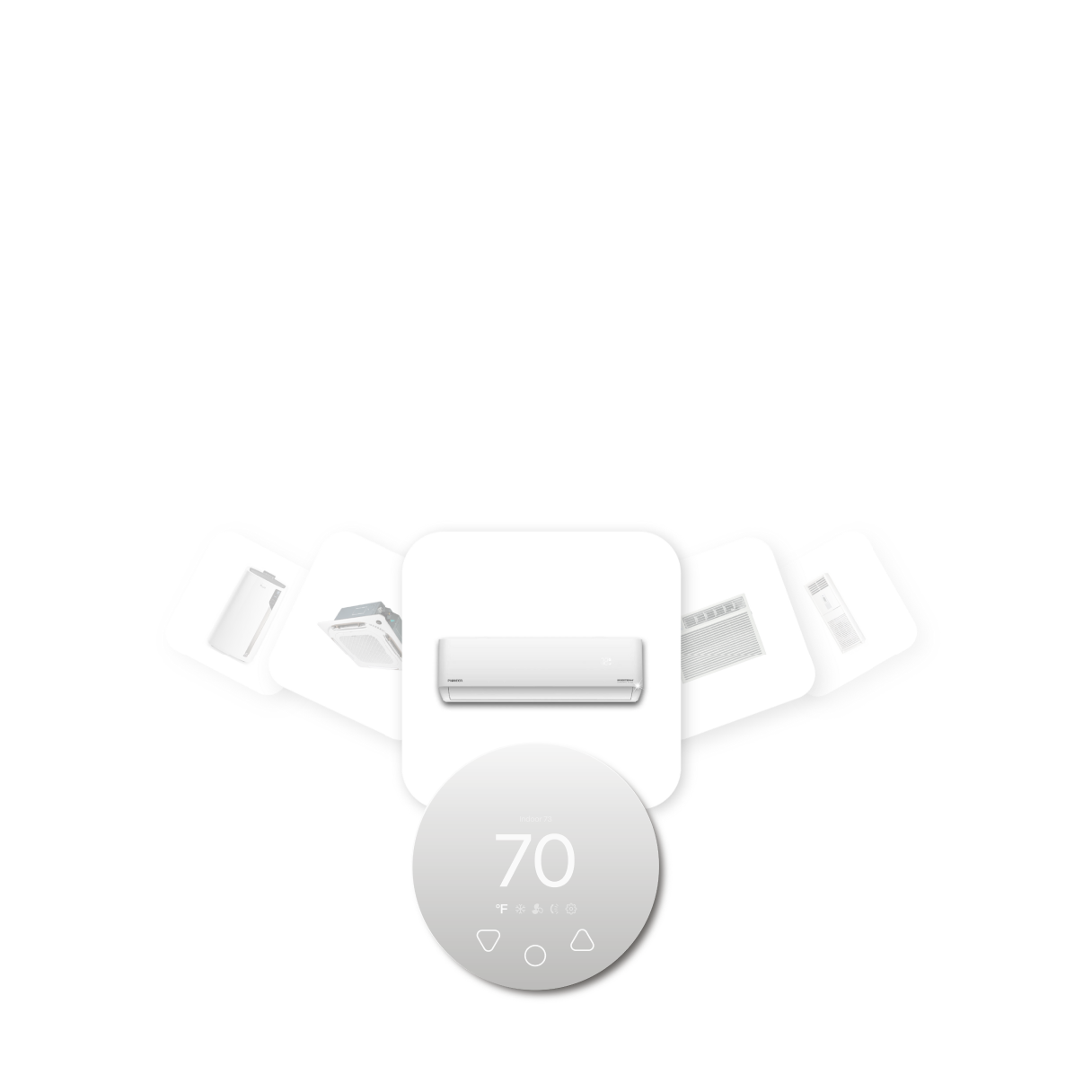
Compatible with all brands of ACs and Mini-Splits
Automate Climate Management
Control remotely
Reduce Energy Consumption
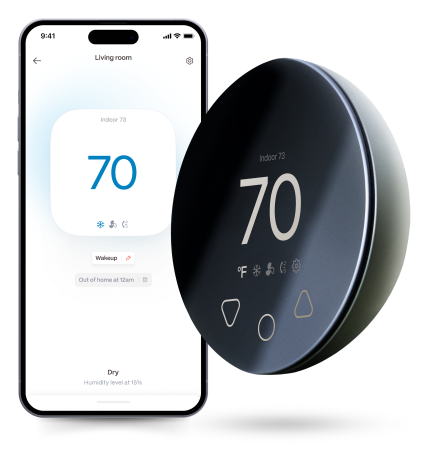
Monitor bills in realtimeKlima - Smart Home Thermostat for Mini-splits, Air Conditioners and Heatpumps
Why Kitchens Become So Hot
Kitchen cooling loads can rise because of:
- Ovens
- Cooktops
- Dishwashers
- Refrigerators
- Direct sunlight
- Several occupants
- Poor exhaust
- Open connections to living areas
A system sized for a normal room may struggle during intensive cooking.
A Mini-Split Does Not Replace a Range Hood
A mini-split recirculates indoor air.
It does not normally capture pollutants at the cooking surface or exhaust them outdoors.
A properly designed range hood can address:
- Grease
- Moisture
- Smoke
- Cooking odours
- Combustion pollutants
The mini-split’s job is primarily temperature control.
Avoid Placing It Above the Cooktop
Do not install the indoor head directly above:
- A range
- Oven
- Fryer
- Kettle station
- Sink
- Dishwasher exhaust
- Commercial cooking equipment
Heat and grease can enter the unit, while a condensate leak could affect electrical appliances or food-preparation surfaces.
Watch for Grease Buildup
Grease aerosols can coat:
- Filters
- Coil fins
- Blower wheels
- Louvers
- Wall surfaces
This material traps dust and can create odours.
A kitchen mini-split may need more frequent inspection than one in a bedroom.
Steam Can Distort the Temperature Reading
An indoor unit placed near cooking steam may sense warmer or more humid conditions than the rest of the room.
It may then operate longer than necessary or respond unpredictably.
Place the unit where its intake receives representative room air.
Open-Plan Kitchens
A mini-split in a connected kitchen and living area may work well when it has a clear airflow path.
The contractor should include appliance heat in the load calculation.
Do not assume the living-room unit will automatically manage intense kitchen heat if it is:
- Far away
- Around a corner
- Blocked by cabinets
- Undersized
- Positioned near the ceiling in a tall room
Make-Up Air Matters
A strong range hood removes indoor air.
Replacement air must enter the building from somewhere, potentially through cracks and open doors.
In tightly sealed homes, a professional may need to assess make-up air and pressure balance.
Where Is the Best Position?
A suitable location usually:
- Faces the open area
- Remains away from the cooking plume
- Is not blocked by cabinets
- Allows filter removal
- Has a practical condensate route
- Avoids dripping above counters or appliances
Can Dry Mode Remove Cooking Humidity?
It may remove some moisture, but it does not capture pollutants or replace exhaust ventilation.
Use the correct tool for each problem:
- Range hood for cooking emissions
- Mini-split for temperature
- Dehumidification equipment where persistent moisture remains
Stay cool and save more. Use code JONES15 to get 15% off your entire order—no strings attached.
Upgrade your comfort with a Klima today.
Frequently Asked Questions
Can a mini-split go above kitchen cabinets?
Possibly, if clearances, airflow and service access remain adequate.
Will cooking grease damage it?
Repeated grease exposure can contaminate filters, coils and fans and increase cleaning needs.
Can the mini-split remove cooking smells?
It may circulate or filter some larger material, but it does not replace source exhaust.
Should I oversize it for oven heat?
No. The contractor should calculate the real load rather than applying an arbitrary size increase.


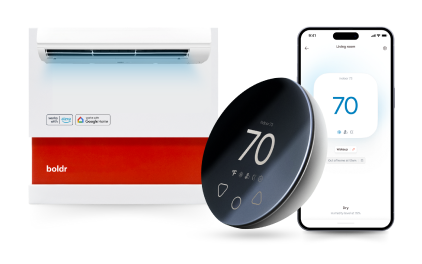
Klima - Smart Home Controller for Mini-splits, Air Conditioners and Heatpumps
Compatible with all brands of ACs and Mini-Splits Automate Climate Management Control remotely Reduce Energy Consumption Monitor bills in realtime
Try NowRecent Articles

Mini-Split Outdoor Unit Clearance 2026 Guide
A mini-split outdoor unit needs air. Lots of it. The condenser pull...
Read More
What Happens if Your Mini-Split Is Too Small?
Most homeowner sizing advice focuses on oversized mini-splits. But ...
Read More
Does a Mini-Split Need a Manual J Load Calculation?
A 500-square-foot room does not automatically need a 12,000 BTU min...
Read More
Signs Your Mini-Split May Have a Refrigerant Leak
A mini-split does not normally “use up” refrigerant the way a car u...
Read More
Mini-Split Minimum Capacity: Why It Matters
When homeowners compare mini-splits, they normally look at the bigg...
Read More