







A mini-split's rated lifespan is 15–20 years for premium brands — but many units fail well before that due to preventable causes, and well-maintained systems regularly exceed 20 years. The difference between an 8-year failure and a 20-year system is almost entirely maintenance and installation quality, not luck. This guide covers the most effective steps to maximise your mini-split's lifespan and get the most value from your investment.
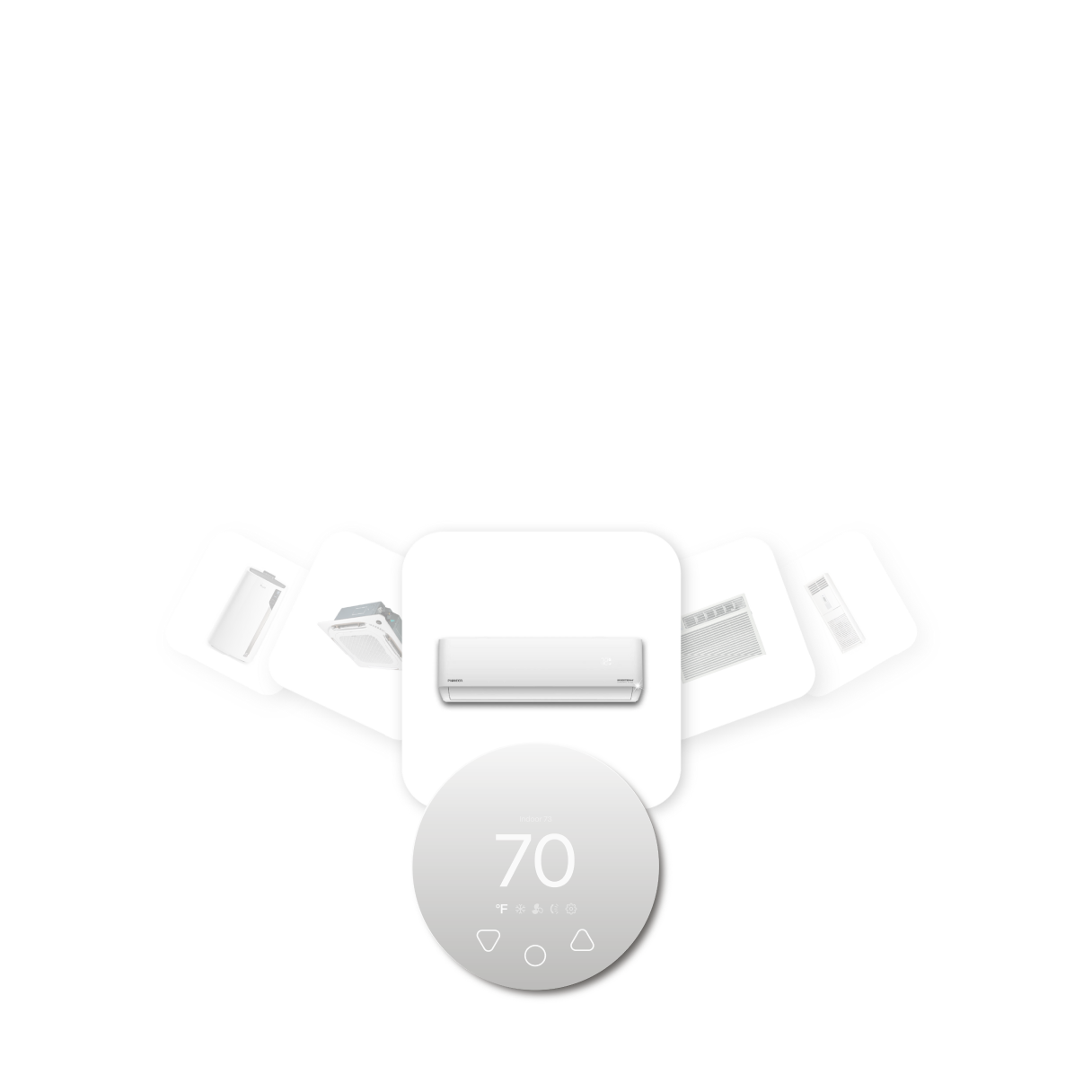
Compatible with all brands of ACs and Mini-Splits
Automate Climate Management
Control remotely
Reduce Energy Consumption
Monitor bills in realtimeKlima - Smart Home Thermostat for Mini-splits, Air Conditioners and Heatpumps
The Biggest Lifespan Killers (And How to Avoid Them)
| Cause of Premature Failure | How Common | Prevention |
|---|---|---|
| Refrigerant leak left unrepaired | Most common cause of compressor failure | Address reduced cooling output or E2 code immediately — do not run the system on low refrigerant |
| Dirty filter — chronic neglect | Very common | Clean every 2 weeks during heavy use; set a phone reminder |
| Blocked outdoor unit airflow | Common — vegetation grows | Check clearances annually; trim vegetation each spring |
| Poor original installation | Very common | Use a brand-certified installer; pull permits; request a leak test at commissioning |
| Power surges damaging PCB | Occasional | Install a surge protector on the dedicated circuit |
| Dirty outdoor coil — heat rejection failure | Common | Rinse outdoor coil with garden hose each spring |
The Full Maintenance Schedule for Maximum Lifespan
Every 2 weeks (during heavy use periods): Clean air filter. This single step prevents the majority of freeze-ups, airflow failures, and premature fan motor wear.
Every spring: Rinse outdoor condenser coil with a garden hose (low pressure, top-down). Check outdoor unit clearances and trim any vegetation that has grown within 12 inches. Verify outdoor mounting hardware is tight.
Every autumn: Inspect condensate drain line and flush with diluted white vinegar. Confirm outdoor unit is elevated above expected snow accumulation. Clean indoor coil with no-rinse coil cleaner.
Every 2–3 years: Have a technician check refrigerant pressures and verify the system is operating at manufacturer-specified conditions. Early detection of a slow refrigerant leak prevents compressor damage.
Immediately when noticed: Address any error codes, unusual sounds, reduced output, or indoor water dripping — do not defer repairs. The compressor is the system's most expensive component; protecting it from operating under abnormal conditions is the highest-value action you can take.
Smart Monitoring Extends Lifespan
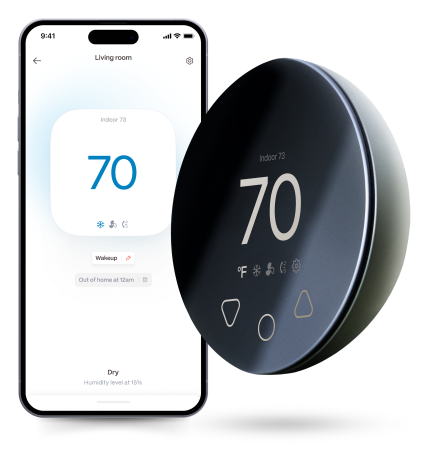
A smart AC controller like the Boldr Klima helps protect your system over time by monitoring runtime patterns, alerting you when the unit has been running unusually long (a sign of reduced efficiency or low refrigerant), and tracking energy consumption — a sudden increase in kWh for the same output often signals a developing problem before it becomes a breakdown. Catching issues early is the most effective way to extend system lifespan.
Frequently Asked Questions
What is the average lifespan of a mini-split?
15–20 years for premium brands (Mitsubishi, Daikin, Fujitsu) with proper maintenance. Budget brands typically 10–15 years. Systems that receive annual professional service and regular filter cleaning consistently reach the upper end of their lifespan range.
Does running a mini-split continuously shorten its life?
No — inverter mini-splits are designed for continuous variable-speed operation. Running at moderate output continuously is actually less stressful on the compressor than repeated full-power start/stop cycles, which is how older fixed-speed systems operated. A mini-split that runs at low capacity all day accumulates less mechanical stress than one that repeatedly starts at full power.
Related reading:
→ Mini-Split Maintenance Guide: What to Do Every Season
→ Mini-Split Coil Cleaning: Step-by-Step Guide
→ When to Replace a Mini-Split vs Repair It


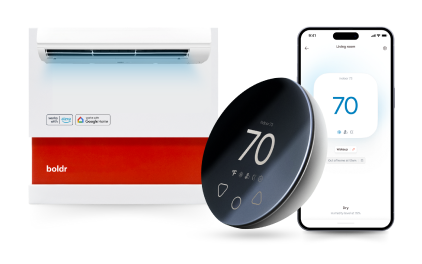
Klima - Smart Home Controller for Mini-splits, Air Conditioners and Heatpumps
Compatible with all brands of ACs and Mini-Splits Automate Climate Management Control remotely Reduce Energy Consumption Monitor bills in realtime
Try NowRecent Articles

Mini-Split Outdoor Unit Clearance 2026 Guide
A mini-split outdoor unit needs air. Lots of it. The condenser pull...
Read More
What Happens if Your Mini-Split Is Too Small?
Most homeowner sizing advice focuses on oversized mini-splits. But ...
Read More
Does a Mini-Split Need a Manual J Load Calculation?
A 500-square-foot room does not automatically need a 12,000 BTU min...
Read More
Signs Your Mini-Split May Have a Refrigerant Leak
A mini-split does not normally “use up” refrigerant the way a car u...
Read More
Mini-Split Minimum Capacity: Why It Matters
When homeowners compare mini-splits, they normally look at the bigg...
Read More