




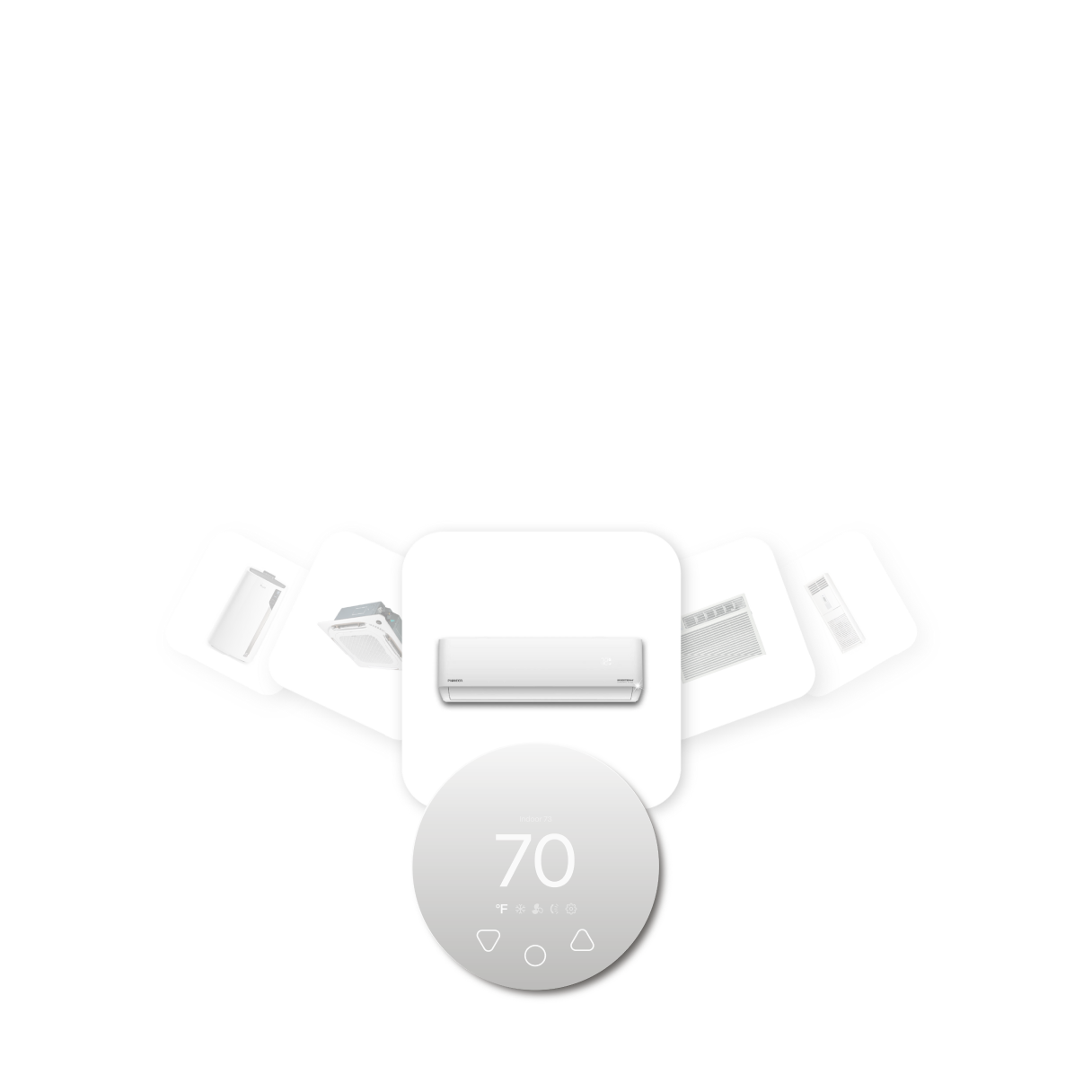



Mini-splits are highly efficient, flexible heating and cooling systems that require no ductwork. The main advantages are energy efficiency with SEER2 ratings up to 30+, zoned control per room, built-in heating and cooling in one unit, and the ability to install in spaces where central HVAC is impractical. The primary disadvantages are higher upfront cost compared to window ACs, the visible indoor wall unit, and the need for professional handling of the refrigerant connection.
Compatible with all brands of ACs and Mini-Splits
Automate Climate Management
Control remotely
Reduce Energy Consumption
Monitor bills in realtimeKlima - Smart Home Thermostat for Mini-splits, Air Conditioners and Heatpumps
Mini-Split Pros
1. No Ductwork Required
Mini-splits only need a 3-inch hole in the wall to connect the indoor and outdoor units. This makes them well-suited for older homes, room additions, garages, basement conversions, and any space where installing ductwork would be disruptive or expensive. Installing new ductwork in an existing home typically costs $5,000–$15,000 — a mini-split bypasses this cost entirely.
2. High Energy Efficiency
Modern mini-splits carry SEER2 ratings of 16 to 30+ — significantly higher than the 14–18 SEER2 ratings common in central air conditioners. They also avoid the 20–30% energy loss that occurs as conditioned air travels through ductwork. According to the US Department of Energy, duct losses account for more than 30% of energy consumption in a typical central air system. In heating mode, mini-splits are two to four times more efficient than electric resistance heating.
3. Heats and Cools — One System Year-Round
Mini-splits are heat pumps. A single system handles both summer cooling and winter heating, eliminating the need for a separate furnace. This is particularly valuable in climates with moderate winters and in homes prioritising electrification over gas equipment.
4. Zoned Comfort and Independent Control
Each indoor unit operates independently. You can cool one room while heating another, or turn off units in unoccupied rooms entirely. This level of room-by-room control requires expensive zoning add-ons to achieve with central HVAC systems.
5. Very Quiet Operation
Mini-split indoor units typically operate at 19–45 dB — comparable to a whisper or quiet library. Outdoor units produce 48–65 dB — similar to a normal conversation. Central air systems typically operate at 55–70 dB at the air handler and generate additional noise through registers and duct vibration throughout the home.
6. Improved Local Air Filtration
Each indoor unit has its own air filter that captures dust, allergens, and particles directly at the zone level. Unlike central HVAC where one filter serves the whole home through ductwork, mini-split filtration is immediate and localised in each room.
7. Long Lifespan
Well-maintained mini-splits typically last 15–20 years. Many units from established brands have documented field lifespans exceeding 20 years in residential installations when maintained regularly.
Mini-Split Cons
1. Higher Upfront Cost than Window ACs
A single-zone mini-split professionally installed costs $3,000–$5,500. A comparable window AC unit costs $300–$800 installed. For cooling a single room on a tight budget, a window unit wins on initial cost — though the mini-split typically outperforms on operating cost, noise, and longevity over time.
2. Visible Indoor Unit
Mini-split indoor units are wall-mounted and visible — typically white or silver, approximately 32 inches wide. Most homeowners adapt quickly, but some find them aesthetically intrusive. Ceiling cassette models recess into the ceiling and eliminate this concern, though at higher cost.
3. Professional Refrigerant Connection Required
The refrigerant line connection requires EPA 608 certification in the US and equivalent credentials in Canada. This adds $1,500–$3,000 to total installation cost for most homeowners. Some pre-charged DIY systems address this for homeowners comfortable with the installation process.
4. Each Zone Needs Its Own Indoor Unit
Multi-zone systems can share one outdoor unit, but each room or zone requires its own indoor air handler. Conditioning five rooms means five indoor units — adding $1,500–$3,000+ per zone in combined equipment and labour.
5. Outdoor Space Required
The outdoor compressor needs 18–24 inches of clearance on all sides and must be accessible for maintenance. Homes with limited exterior space, HOA restrictions on outdoor equipment, or no suitable exterior wall may face installation challenges.
What Is the Boldr Smart Controller?
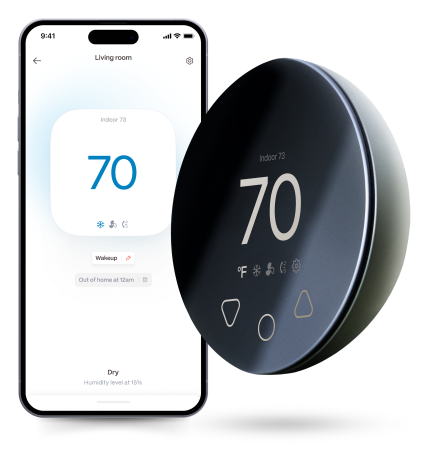
One traditional limitation of mini-splits is that most units come with basic IR remotes and no built-in WiFi or smart home integration. The Boldr Smart Controller adds full smart capability to any mini-split of any brand — in under three minutes, with no wiring. Klima plugs into a standard outlet, pairs with your existing remote, and adds phone control from anywhere, automated scheduling, geofencing, real-time energy monitoring, and native Apple HomeKit support.
→ Upgrade your mini-split with the Boldr Smart Controller
Frequently Asked Questions
Is a mini-split worth it for one room?
In most cases, yes — particularly if the room lacks adequate HVAC coverage or if you need both heating and cooling in one system. A single-zone mini-split costs more upfront than a window AC but operates more quietly, provides heat as well as cooling, lasts significantly longer, and uses less electricity over time.
Do mini-splits add value to a home?
Generally yes. Real estate professionals and appraisers typically view professionally installed mini-split systems positively, particularly in homes without existing ductwork. The impact on appraised value varies by market and system size.
What is the main disadvantage of a mini-split?
The most commonly cited disadvantage is upfront cost — a single-zone mini-split costs $3,000–$5,500 installed versus $300–$800 for a comparable window AC. However, the lower operating cost, longer lifespan, and year-round heating and cooling capability typically offset this difference over a 3–7 year period.
Related reading:
→ What Is a Mini-Split? Everything Homeowners Need to Know
→ How Much Does a Mini-Split Cost? Full 2026 Guide
→ Are Mini-Splits Worth It? Honest 2026 Cost-Benefit Analysis


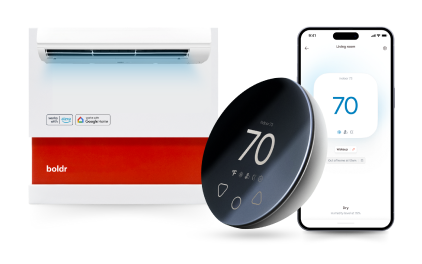
Klima - Smart Home Controller for Mini-splits, Air Conditioners and Heatpumps
Compatible with all brands of ACs and Mini-Splits Automate Climate Management Control remotely Reduce Energy Consumption Monitor bills in realtime
Try NowRecent Articles

Mini-Split Outdoor Unit Clearance 2026 Guide
A mini-split outdoor unit needs air. Lots of it. The condenser pull...
Read More
What Happens if Your Mini-Split Is Too Small?
Most homeowner sizing advice focuses on oversized mini-splits. But ...
Read More
Does a Mini-Split Need a Manual J Load Calculation?
A 500-square-foot room does not automatically need a 12,000 BTU min...
Read More
Signs Your Mini-Split May Have a Refrigerant Leak
A mini-split does not normally “use up” refrigerant the way a car u...
Read More
Mini-Split Minimum Capacity: Why It Matters
When homeowners compare mini-splits, they normally look at the bigg...
Read More