






Mini-splits and central air can both cool a home effectively, but they distribute air in very different ways.
Central air uses ductwork to move conditioned air through vents. A mini-split connects one outdoor unit to one or more indoor units without requiring conventional ducts.
ENERGY STAR describes ductless heat pumps as alternatives to window AC units, radiators and baseboard heating. They can provide both heating and cooling through the same system.
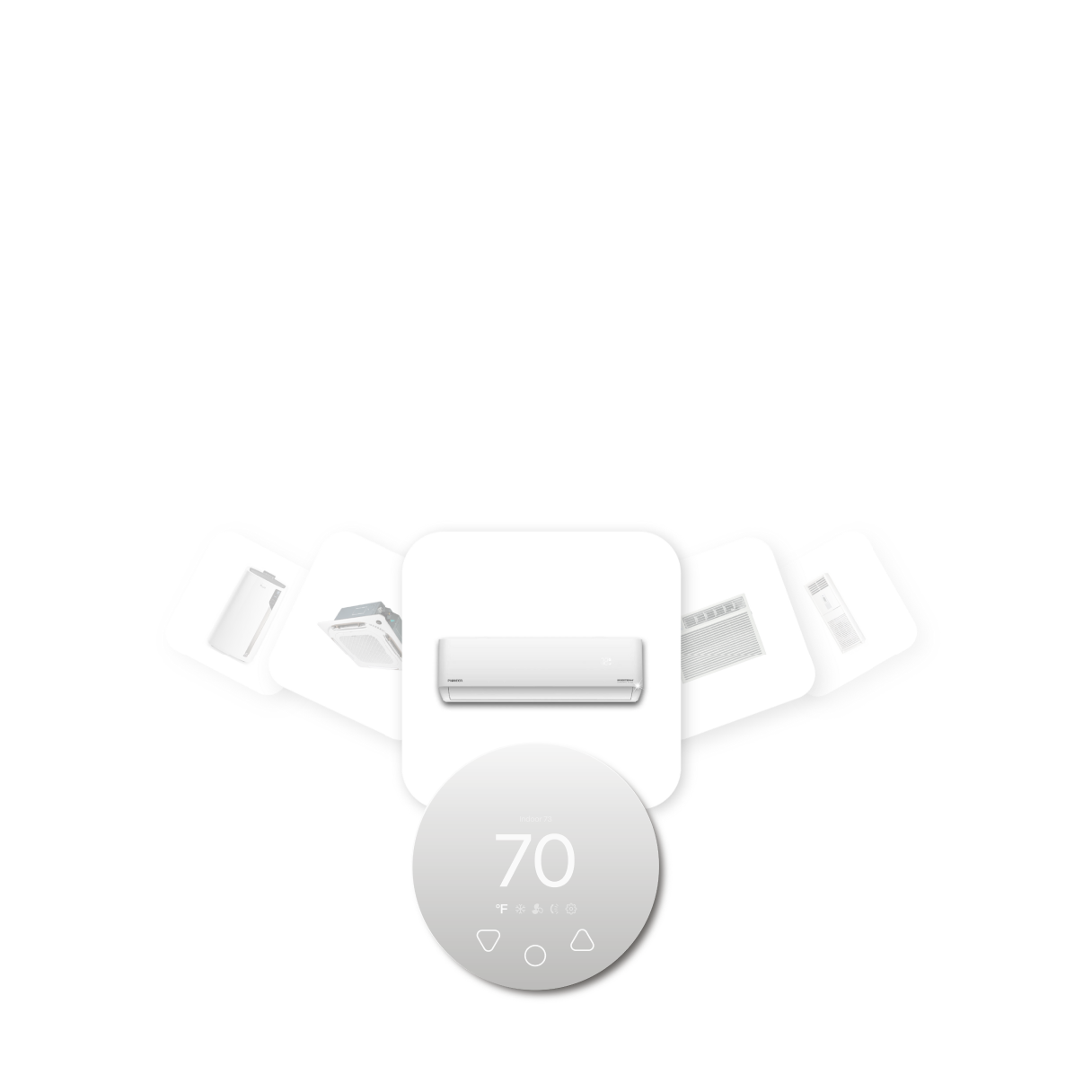
Compatible with all brands of ACs and Mini-Splits
Automate Climate Management
Control remotely
Reduce Energy Consumption
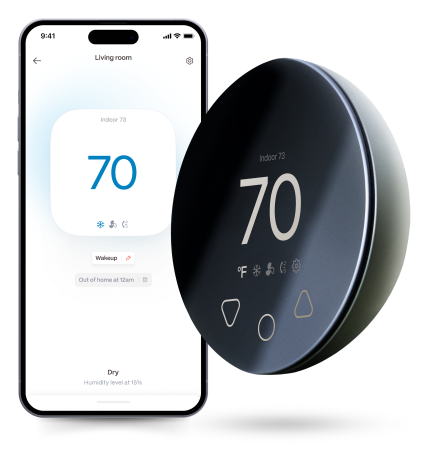
Monitor bills in realtimeKlima - Smart Home Thermostat for Mini-splits, Air Conditioners and Heatpumps
When a Mini-Split May Be Better
A mini-split may suit:
- Homes without existing ductwork
- Garages and workshops
- Home additions
- Converted attics
- Individual apartments
- Bedrooms with recurring comfort problems
- Older homes where adding ducts would be disruptive
- Households that want independent room control
Mini-splits allow occupied rooms to be controlled separately. A guest room does not need to be kept at the same temperature as the living room.
Stay cool and save more. Use code JONES15 to get 15% off your entire order—no strings attached.
Upgrade your comfort with a Klima today.
When Central Air May Be Better
Central air may be preferable when:
- The home already has suitable ductwork.
- Owners want vents rather than visible wall units.
- Most rooms are occupied at similar times.
- Whole-home air distribution is a priority.
- The existing central system is being replaced without major changes.
The condition and design of the ductwork matter. Leaking or poorly insulated ducts can reduce performance.
Installation Differences
Mini-splits generally require a small wall opening for refrigerant lines, wiring and drainage. Each indoor unit must be mounted in an appropriate location.
Central air installations may involve extensive duct installation or modification.
Both systems need professional design and installation. Mini-split sizing should not be based on square footage alone; windows, insulation, ceiling height, climate and room layout also affect the required capacity.
Appearance and Noise
Mini-split indoor units remain visible in the room, although wall-mounted, ceiling-cassette and concealed options are available.
Central air usually hides most equipment and distributes air through vents.
Many mini-splits operate quietly because the compressor is located outside, but noise levels vary by model and operating speed.
Which Is More Efficient?
Neither system is automatically more efficient in every home.
Mini-splits can avoid duct losses and reduce conditioning in unused rooms. Central systems may perform well when ductwork is correctly designed, sealed and insulated.
Equipment efficiency, installation quality and user behavior all affect real-world costs.


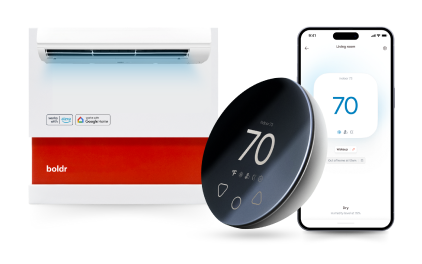
Klima - Smart Home Controller for Mini-splits, Air Conditioners and Heatpumps
Compatible with all brands of ACs and Mini-Splits Automate Climate Management Control remotely Reduce Energy Consumption Monitor bills in realtime
Try NowRecent Articles

Mini-Split Outdoor Unit Clearance 2026 Guide
A mini-split outdoor unit needs air. Lots of it. The condenser pull...
Read More
What Happens if Your Mini-Split Is Too Small?
Most homeowner sizing advice focuses on oversized mini-splits. But ...
Read More
Does a Mini-Split Need a Manual J Load Calculation?
A 500-square-foot room does not automatically need a 12,000 BTU min...
Read More
Signs Your Mini-Split May Have a Refrigerant Leak
A mini-split does not normally “use up” refrigerant the way a car u...
Read More
Mini-Split Minimum Capacity: Why It Matters
When homeowners compare mini-splits, they normally look at the bigg...
Read More