







A mini-split heat pump and an electric furnace both run on electricity — but they use it very differently. A mini-split moves heat using refrigerant and delivers 2–4 units of heat energy for every unit of electricity consumed. An electric furnace converts electricity directly to heat at a 1:1 ratio. This difference in efficiency translates to significantly different heating costs over a full winter season.
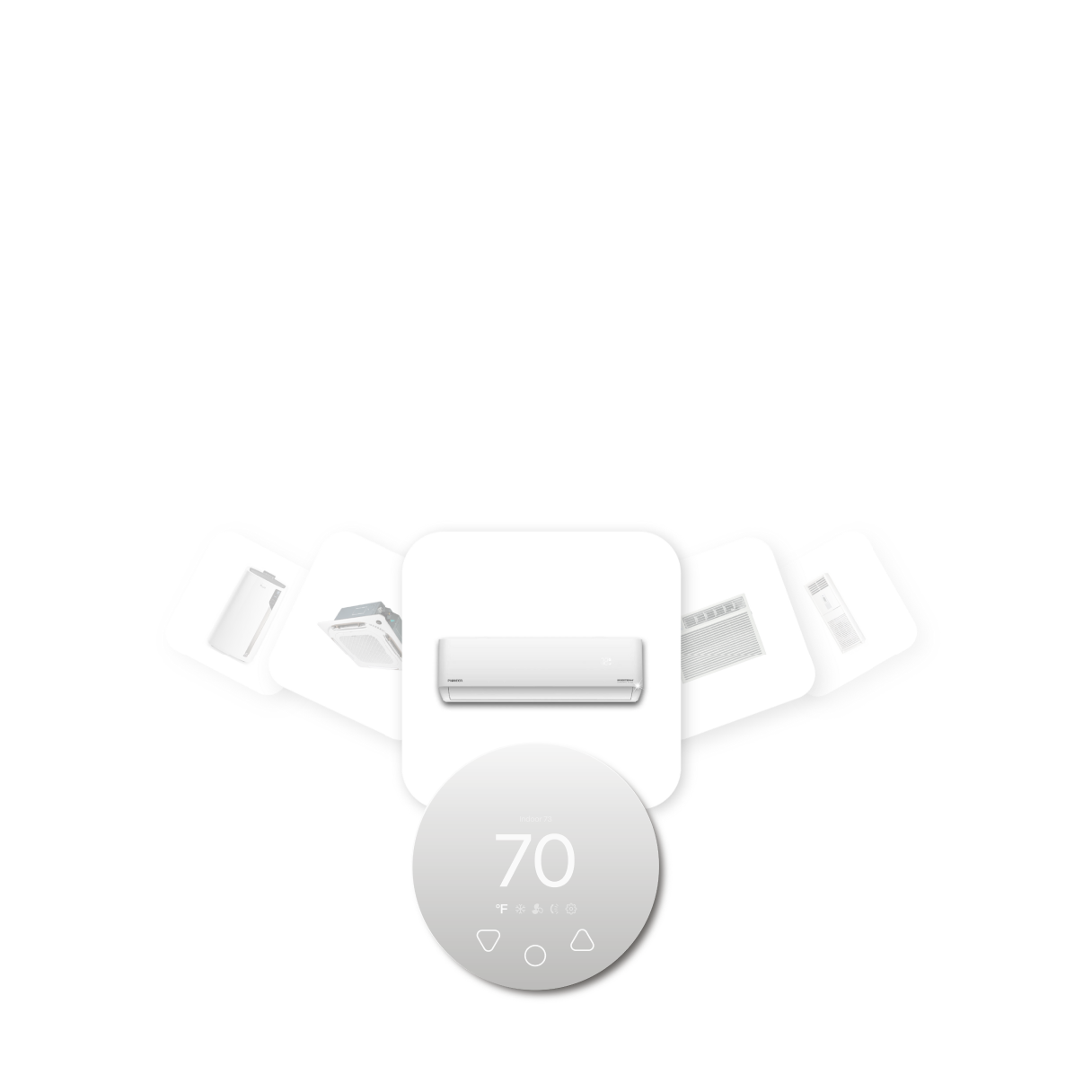
Compatible with all brands of ACs and Mini-Splits
Automate Climate Management
Control remotely
Reduce Energy Consumption
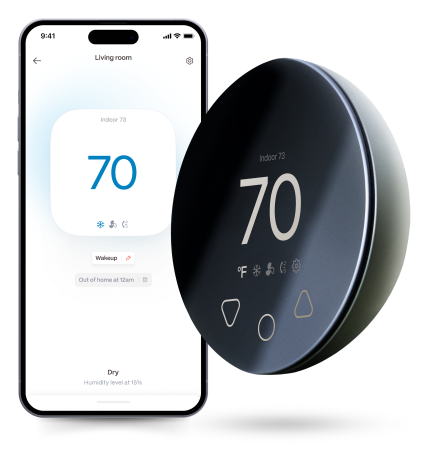
Monitor bills in realtimeKlima - Smart Home Thermostat for Mini-splits, Air Conditioners and Heatpumps
Side-by-Side Comparison
| Factor | Mini-Split Heat Pump | Electric Furnace |
|---|---|---|
| Heating efficiency | 200–400% (COP 2.0–4.0) | 100% (COP 1.0) |
| Cooling capability | Yes — same unit cools and heats | No — heating only |
| Ductwork required | No (ductless) | Yes |
| Upfront equipment cost | $2,500–$5,500 installed | $1,500–$3,000 installed |
| Monthly heating cost (1,200 sq ft, cold climate) | $80–$130 | $200–$350 |
| Performance at −20°F | Reduced (cold-climate models maintain output to −13°F) | Full output at any temperature |
| Federal tax credit eligibility (US) | Yes — up to $2,000 (IRA Section 25C) | No |
| Lifespan | 15–20 years | 20–30 years |
Heating Cost Difference: Real Numbers
At an average US electricity rate of $0.16/kWh, heating a 1,200 sq ft home through a full winter season (6 months) costs approximately:
- Electric furnace: $1,800–$2,500 per heating season
- Mini-split heat pump (standard): $700–$1,100 per heating season
- Mini-split heat pump (cold-climate, colder region): $900–$1,400 per heating season
The annual operating savings from a mini-split vs electric furnace are typically $700–$1,500 per year — meaning the premium upfront cost of the mini-split is recovered in 2–4 years of operation.
Stay cool and save more. Use code JONES15 to get 15% off your entire order—no strings attached.
Upgrade your comfort with a Klima today.
When an Electric Furnace Still Makes Sense
- Extreme cold below −13°F regularly: Electric furnaces provide full heat output regardless of outdoor temperature — cold-climate mini-splits may need supplemental backup heat below their rated minimum.
- Lower upfront budget: Electric furnaces cost less to install, though operating costs are significantly higher over time.
- Existing ductwork: If a home already has a full duct system in good condition, a ducted heat pump (not mini-split) is often the better comparison.
Stay cool and save more. Use code JONES15 to get 15% off your entire order—no strings attached.
Upgrade your comfort with a Klima today.
Frequently Asked Questions
Is a mini-split more efficient than an electric furnace?
Yes — significantly. A mini-split heat pump delivers 2–4 units of heat per unit of electricity consumed (COP 2–4). An electric furnace converts electricity to heat at 100% efficiency (COP 1.0). At the same electricity rate, the mini-split heats the same space for 50–75% less electricity cost.
Can a mini-split completely replace an electric furnace?
In most climates, yes. For regions with temperatures that regularly fall below the mini-split's rated minimum (typically −13°F for cold-climate models), a small amount of backup electric resistance heat may be needed for the coldest hours of the year. This backup is often built into the air handler or can be a small baseboard heater for the few hours per year it is needed.
Related reading:
→ Can a Mini-Split Replace a Furnace? Honest Assessment
→ Mini-Split vs Baseboard Heat: Efficiency and Cost Compared
→ Do Mini-Splits Save Money? Real Numbers for US and Canada


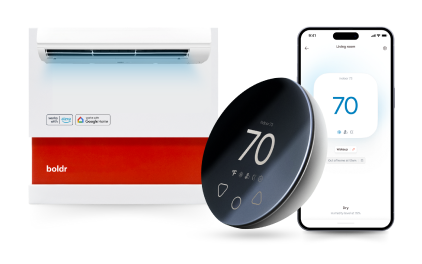
Klima - Smart Home Controller for Mini-splits, Air Conditioners and Heatpumps
Compatible with all brands of ACs and Mini-Splits Automate Climate Management Control remotely Reduce Energy Consumption Monitor bills in realtime
Try NowRecent Articles

Mini-Split Outdoor Unit Clearance 2026 Guide
A mini-split outdoor unit needs air. Lots of it. The condenser pull...
Read More
What Happens if Your Mini-Split Is Too Small?
Most homeowner sizing advice focuses on oversized mini-splits. But ...
Read More
Does a Mini-Split Need a Manual J Load Calculation?
A 500-square-foot room does not automatically need a 12,000 BTU min...
Read More
Signs Your Mini-Split May Have a Refrigerant Leak
A mini-split does not normally “use up” refrigerant the way a car u...
Read More
Mini-Split Minimum Capacity: Why It Matters
When homeowners compare mini-splits, they normally look at the bigg...
Read More