






There’s nothing more frustrating than an air conditioner that runs all day but leaves your home feeling warm and uncomfortable.
If your AC is not cooling properly, the cause could be something minor—like a clogged filter—or something more serious, such as a refrigerant leak or failing motor.
The good news is that most cooling problems give warning signs before a complete breakdown. This guide walks you through the most common causes, what you can safely check yourself, and when it’s time to call a professional.
A Guide for Diagnostic Troubleshooting
Before diving into detailed explanations, use this quick diagnostic chart to narrow down the likely issue.
Quick Diagnostic Guide
Symptom |
Likely Cause |
DIY or Pro? |
|
Weak airflow from vents
|
Dirty filter or blocked ducts |
DIY |
|
AC runs but house stays warm
|
Thermostat settings or dirty coils |
DIY first |
|
Ice on refrigerant lines
|
Frozen coils or low refrigerant |
DIY, then Pro if it returns |
|
Hissing sound near indoor unit
|
Refrigerant leak |
Pro only |
|
Outdoor fan not spinning
|
Failed motor or capacitor |
Pro |
|
Some rooms cooler than others
|
Duct leaks or blockages |
DIY check, Pro for sealing |
Start with simple checks before assuming the system has failed.
Dirty or Clogged Air Filters
When your AC is not cooling properly, this is always the first place to check.
Your filter traps dust, debris, and pet hair before they reach internal components. Over time, it becomes clogged, restricting airflow. When airflow drops, your AC system works harder but cools less effectively.
Signs:
-
Weak airflow from vents
-
System runs constantly without reaching set temperature
-
Dust buildup around vents
What to Do:
Remove the filter and hold it up to the light. If light doesn’t pass through easily, replace it. Most homes need filter replacement every 30–90 days.
If airflow remains weak after replacement, duct or blower issues may be involved.
Frozen Evaporator Coils or Dirty Condenser
Frozen Evaporator Coils
If airflow drops or refrigerant runs low, evaporator coils can become too cold. Moisture freezes on contact, forming ice that blocks cooling entirely.
Signs:
-
Ice on refrigerant lines
-
Water pooling around indoor unit
-
Warm air despite system running
Solution:
Turn off the AC system and allow the ice to melt completely (this may take several hours). Replace the filter and restart. If freezing returns, call a technician.
Dirty Condenser Coils
Your outdoor condenser releases heat pulled from inside your home. If covered in dirt, grass, or debris, heat cannot escape efficiently.
Signs:
-
Outdoor unit covered in debris
-
AC runs longer than normal
-
Higher energy bills
Keep at least two feet of clearance around the AC unit and gently rinse coils with a garden hose.
Refrigerant Low or Leak
Refrigerant absorbs heat from inside your home and releases it outdoors. It operates in a sealed system, so low levels indicate a leak.
Warning Signs:
-
Warm air from vents
-
Ice on refrigerant lines
-
Hissing or bubbling sounds
-
Gradual cooling decline
Refrigerant repairs require licensed professionals. Running the system with low refrigerant can damage the compressor, leading to costly repairs.
Fan Motor or Blower Problems
Your AC system relies on two fans:
-
Outdoor condenser fan
-
Indoor blower motor
If either fails, cooling performance drops immediately.
Signs:
-
Outdoor fan not spinning
-
Weak indoor airflow
-
Grinding or humming noises
-
System overheating
If the fan doesn’t spin or makes unusual sounds, professional repair is required.
Blocked or Leaking Air Ducts
Your AC may be producing cold air—but duct leaks prevent it from reaching rooms.
Homes can lose 20–30% of conditioned air through leaks.
Signs:
-
Some rooms warmer than others
-
Dust blowing from vents
-
Higher energy bills
Inspect accessible ducts for visible gaps. Seal small leaks with mastic or metal tape. For major leakage, professional sealing is recommended.

Klima Smart Controller for All Ductless A/Cs
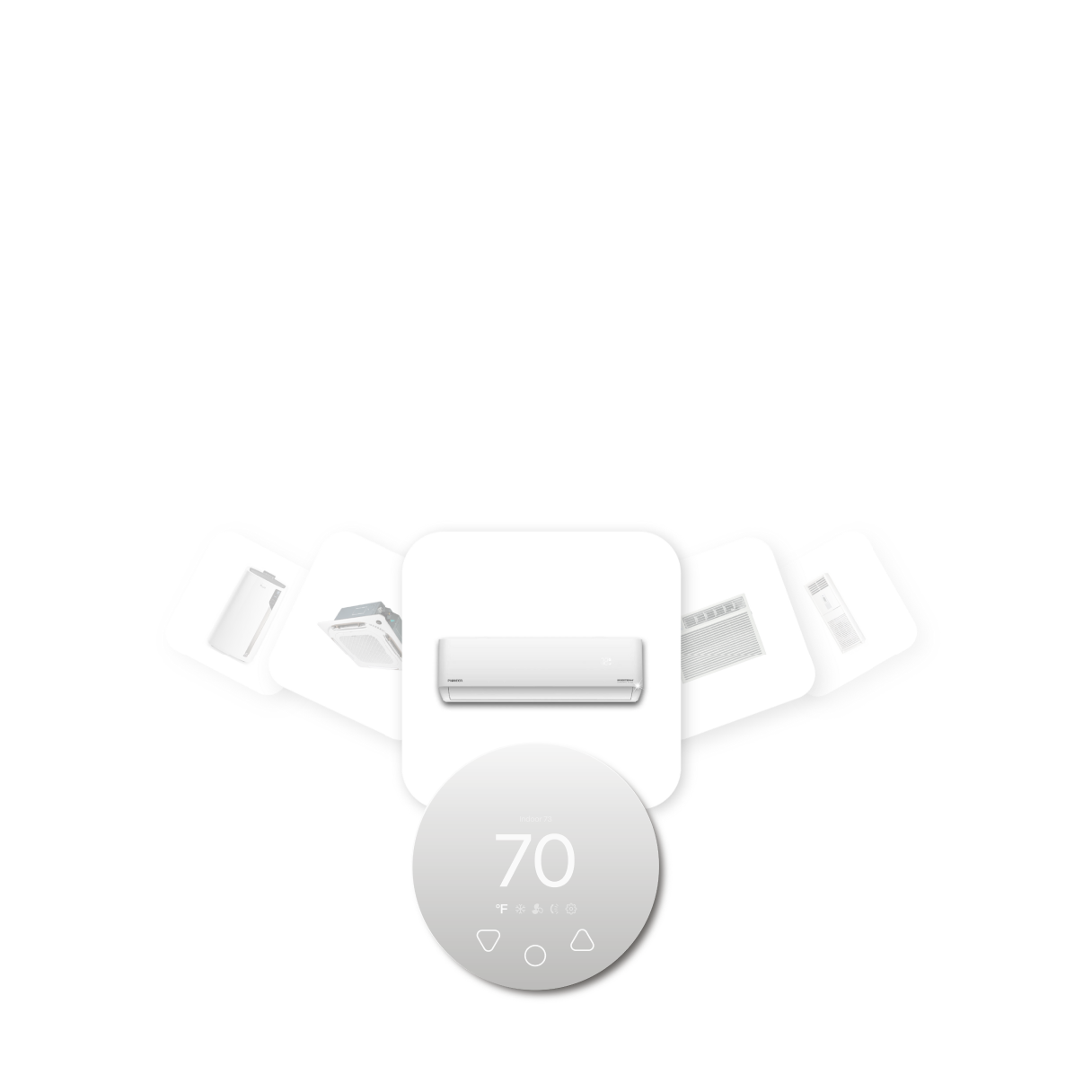
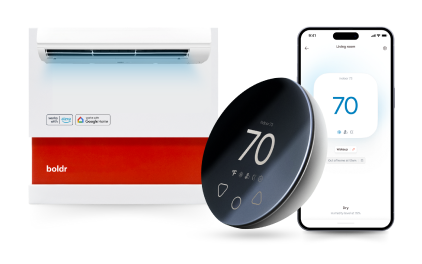
If you use a ductless mini-split, window A/C, or heat pump, upgrading to a smart controller like Klima can help prevent cooling problems before they turn into emergencies.
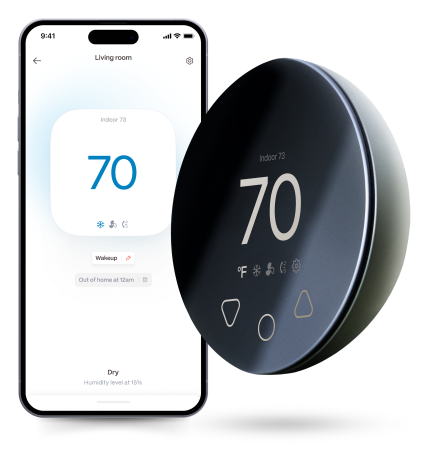
Klima transforms your existing ductless AC unit into a smart, connected system—without replacing your A/C. Instead of discovering issues when your home becomes uncomfortable, you gain real-time visibility into how your system is operating.
Compatible with all ductless A/C brands, Klima integrates seamlessly with Apple Home, Google Home, Google Assistant, SmartThings and Amazon Alexa. It enhances comfort while helping reduce unnecessary energy use.
Klima’s Smart Features
Remote Access Anytime, Anywhere
Control your ductless A/C from your smartphone wherever you are.
If you forget to turn it off before leaving, adjust it instantly. You can also cool your home before arriving so you walk into comfort.
Location-Sensing Technology Automation
Klima detects when everyone leaves and automatically shifts to energy-saving mode, turning of your mini-split.
When someone heads home, it prepares the space for comfort. This prevents wasted cooling without requiring constant manual adjustments.
Compatible with all brands of ACs and Mini-Splits
Automate Climate Management
Control remotely
Reduce Energy Consumption
Monitor bills in realtimeKlima - Smart Home Thermostat for Mini-splits, Air Conditioners and Heatpumps
Cost Monitoring and Energy Tracking
Klima provides real-time energy usage data and bill predictions of your ductless AC.
You can see exactly how much cooling costs each day, week, or month. This insight helps you adjust habits and reduce energy expenses of your ductless AC.
Smart Scheduling Automation
Create customized cooling schedules based on your daily routine.
Set cooler temperatures for sleeping hours and energy-saving settings when you're away. Klima handles adjustments automatically.
Mini-Split Health Monitoring
Klima monitors your ductless AC system behavior and alerts you if it detects unusual performance patterns—like longer run times or difficulty reaching set temperatures.
Early detection helps prevent costly repairs.
Guest Access and Guardian Mode
Share control with guests while setting temperature limits to prevent extreme usage that increases costs or strains the system through the Boldr Energy app.

Conclusion
Most AC cooling problems come down to airflow restrictions, refrigerant issues, or worn components.
The warning signs—longer run cycles, uneven temperatures, or unusual noises—often appear before complete failure.
Start with simple DIY checks like replacing filters and cleaning outdoor units. For refrigerant leaks, electrical problems, or recurring freezing, contact a professional.
Adding intelligent features with a smart home device like Klima provides early alerts and energy insights, helping you catch small problems with your ductless AC before they become major repairs—and keeping your home comfortable all summer long.
FAQ
Why is my AC running but not blowing cold air?
Common causes include dirty filters, frozen evaporator coils, thermostat issues, or low refrigerant levels.
Can I fix my AC not cooling on my own?
You can safely check filters, thermostat settings, and outdoor unit cleanliness. Refrigerant and electrical repairs require a professional.
How do I know if my AC needs refrigerant?
Ice on refrigerant lines, hissing sounds, and declining cooling performance are common indicators of a leak.
How often should I service my AC?
Schedule professional maintenance once per year before peak cooling season.
Should I turn off my AC if it stops cooling?
Yes. If you notice ice buildup, strange noises, or warm air, turn the system off and troubleshoot before restarting to prevent further damage.


Klima - Smart Home Thermostat for Mini-splits, Air Conditioners and Heatpumps
Compatible with all brands of ACs and Mini-Splits Automate Climate Management Control remotely Reduce Energy Consumption Monitor bills in realtime
Try NowRecent Articles

Mini-Split Outdoor Unit Clearance 2026 Guide
A mini-split outdoor unit needs air. Lots of it. The condenser pull...
Read More
What Happens if Your Mini-Split Is Too Small?
Most homeowner sizing advice focuses on oversized mini-splits. But ...
Read More
Does a Mini-Split Need a Manual J Load Calculation?
A 500-square-foot room does not automatically need a 12,000 BTU min...
Read More
Signs Your Mini-Split May Have a Refrigerant Leak
A mini-split does not normally “use up” refrigerant the way a car u...
Read More
Mini-Split Minimum Capacity: Why It Matters
When homeowners compare mini-splits, they normally look at the bigg...
Read More