





Commercial refrigeration is a natural adjacent market for HVAC contractors. Restaurants, grocers, convenience stores, and medical facilities all need reliable cold storage, and they call whoever can respond fastest when it fails. The fundamentals are familiar, but the stakes and the details differ from comfort cooling.
The Same Cycle, Different Stakes
Commercial refrigeration uses the same vapor-compression cycle you already know: compressor, condenser, metering device, and evaporator. What changes is the consequence of failure. When comfort cooling fails, a customer is uncomfortable. When a walk-in cooler fails, product spoils, food-safety rules come into play, and the customer may lose thousands of dollars of inventory within hours. That is why refrigeration customers pay for fast response and value contractors who deliver it.
Medium-Temperature vs. Low-Temperature
Commercial refrigeration is generally grouped by temperature range:
- Medium-temperature applications, such as walk-in coolers and display cases for dairy, produce, and beverages, operate above freezing.
- Low-temperature applications, such as walk-in freezers and ice cream or frozen-food cases, operate well below freezing.
The distinction matters because it drives equipment selection, defrost method, refrigerant choice, and compressor design. Low-temperature systems have much tighter margins and a greater need for properly managed defrost.
Key Components You'll Encounter
- Condensing units (air-cooled, outdoor or rooftop) and, in larger facilities, rack systems serving multiple cases.
- Evaporators (unit coolers) inside walk-ins, with fan motors and defrost heaters or hot-gas defrost.
- Metering devices, commonly thermostatic expansion valves, sized for the application and refrigerant.
- Controllers and defrost timers, which govern defrost cycles and temperature setpoints.
Defrost Is Where Many Service Calls Start
Evaporator coils accumulate frost, and the system has to clear it on a schedule. Failed defrost heaters, bad termination sensors, or poorly set timers lead to iced-over coils, warm boxes, and emergency calls. Understanding defrost type (electric, hot gas, off-cycle) and what controls it is one of the fastest ways to become effective at refrigeration diagnostics.
Refrigerants and Regulation
Commercial refrigeration is affected by refrigerant regulation as much as comfort cooling, and often more so because of leak-repair requirements on larger charges. Contractors need current knowledge of applicable refrigerant rules, leak-detection and repair obligations, and record-keeping. Confirm requirements for your jurisdiction, since they differ between US federal rules, state rules, and Canadian provincial and federal requirements.
Food Safety and Documentation
Customers are often required to maintain temperature logs and demonstrate that product stayed within safe ranges. Contractors who understand this, and who document findings clearly, become partners in the customer's compliance rather than just a repair vendor. Monitoring and alerting that catches a temperature excursion before product is lost are valuable to these customers.
Training and Tooling Before You Start
Before taking on refrigeration work, make sure your team has the right certifications for the refrigerants involved, appropriate gauges and recovery equipment for the pressure ranges, and diagnostic familiarity with low-temperature systems. A thin refrigeration practice with poorly prepared technicians can damage a reputation you built in comfort cooling.
How Refrigeration Fits Alongside Comfort Systems
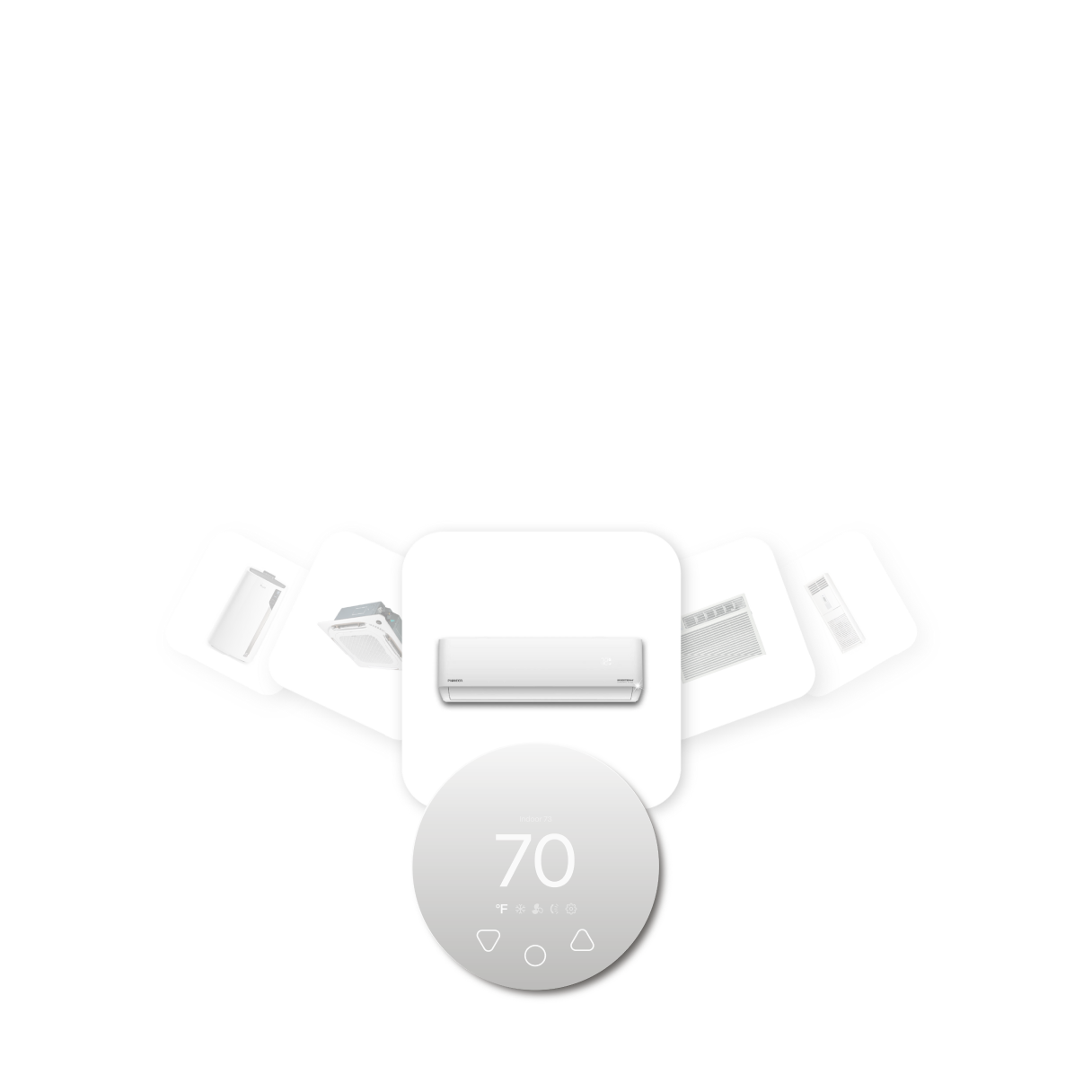
Many commercial customers need both. A restaurant has refrigeration in the kitchen and comfort cooling in the dining room, and a single trusted contractor managing both is a strong position. For the comfort side of mixed commercial jobs, the Boldr Universal Thermostat is designed to work across system types, including heat pumps, VRF, and conventional equipment, so one control approach can serve a varied building. The Universal Thermostat is currently pre-launch, and you can join the waitlist here.
Where to Begin
Start small. Offer maintenance on medium-temperature walk-ins for existing commercial customers, learn defrost and controls thoroughly, and expand once your team is confident. Reliable, fast service is what wins refrigeration accounts, and it is the same discipline you already apply to comfort cooling.


Recent Articles

Mini-Split Outdoor Unit Clearance 2026 Guide
A mini-split outdoor unit needs air. Lots of it. The condenser pull...
Read More
What Happens if Your Mini-Split Is Too Small?
Most homeowner sizing advice focuses on oversized mini-splits. But ...
Read More
Does a Mini-Split Need a Manual J Load Calculation?
A 500-square-foot room does not automatically need a 12,000 BTU min...
Read More
Signs Your Mini-Split May Have a Refrigerant Leak
A mini-split does not normally “use up” refrigerant the way a car u...
Read More
Mini-Split Minimum Capacity: Why It Matters
When homeowners compare mini-splits, they normally look at the bigg...
Read More