







The plastic channel running down the outside wall of many mini-split installations is called a line-set cover, line-hide or pipe cover.
It improves appearance, but that is not its only purpose.
A properly installed cover can also protect the refrigerant-line insulation, control wiring and drain tubing from sunlight, weather and accidental contact.
Compatible with all brands of ACs and Mini-Splits
Automate Climate Management
Control remotely
Reduce Energy Consumption
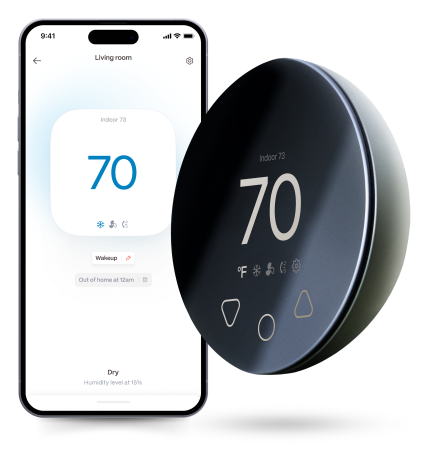
Monitor bills in realtimeKlima - Smart Home Thermostat for Mini-splits, Air Conditioners and Heatpumps
What Is Inside a Mini-Split Line Set?
The bundle between the indoor and outdoor units may contain:
- Copper refrigerant tubing
- Pipe insulation
- Electrical or communication cable
- Condensate drain tubing
The exact arrangement varies by system and installation.
Why Refrigerant Insulation Needs Protection
One refrigerant line may become cold during operation.
Insulation helps reduce unwanted heat transfer and prevents condensation from forming on the pipe’s exterior.
Sunlight, weather, animals and physical contact can damage exposed insulation.
Once insulation cracks or disappears, the line may:
- Sweat
- Drip
- Lose efficiency
- Become vulnerable to damage
- Look poorly maintained
Does Every Installation Need a Decorative Cover?
Not necessarily.
Some line sets run:
- Inside walls
- Through attics
- Through purpose-built chases
- Along protected mechanical areas
When the bundle is visible outside, a suitable cover often provides a cleaner and more durable installation.
Can the Cover Cause Problems?
A badly installed cover can:
- Trap water
- Crush the drain tube
- Rub against copper
- Make service difficult
- Hide pest damage
- Create sharp bends
- Restrict access to fittings
The cover should protect the installation without forcing the line set into an unsafe route.
Should the Cover Be Sealed Completely?
The wall penetration needs appropriate sealing against water, pests and air leakage.
However, the line-set channel itself should follow the product and equipment manufacturer’s installation requirements.
Improvised sealing can trap moisture or make future service difficult.
Can You Paint a Line-Set Cover?
Many covers are paintable, but confirm the material and manufacturer’s instructions.
Use a compatible exterior coating and avoid painting over:
- Service labels
- Fasteners that require access
- Drain openings
- Flexible joints
- Inspection points
Allowing the cover to match the exterior can improve curb appeal.
What Colour Is Best?
Lighter colours may reduce heat absorption in direct sun, while darker colours may blend better with some exteriors.
The material must be suitable for outdoor ultraviolet exposure regardless of colour.
Can Homeowners Install a Cover Themselves?
Adding a protective cover around an existing installation may be possible, but avoid:
- Bending copper lines
- Driving screws into hidden tubing
- Pinching the drain
- Cutting electrical cable
- Covering a refrigerant leak
- Moving the line set
When the existing bundle is fragile or damaged, ask a contractor to inspect it first.
Check the Line Set Annually
Look for:
- Missing cover sections
- Cracked insulation
- Animal damage
- Loose fasteners
- Water stains
- Sagging drain tubing
- Rub marks
- Gaps around the wall penetration
Do not remove the cover while the equipment is operating if doing so could expose wiring or moving components.
Stay cool and save more. Use code JONES15 to get 15% off your entire order—no strings attached.
Upgrade your comfort with a Klima today.
Frequently Asked Questions
Does a line-set cover improve efficiency?
Its main energy benefit comes from protecting the refrigerant-line insulation so it can continue performing correctly.
Can I cover the line set with ordinary PVC pipe?
Use a product designed for the installation and allow appropriate access and bend radius.
Why is water dripping from the covered pipes?
The insulation may be damaged, the drain may be leaking or moisture may be trapped. Arrange an inspection.
Should the cover extend all the way to the outdoor unit?
The route should protect exposed components while maintaining service access and required clearances.


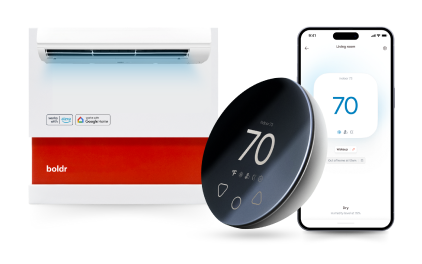
Klima - Smart Home Controller for Mini-splits, Air Conditioners and Heatpumps
Compatible with all brands of ACs and Mini-Splits Automate Climate Management Control remotely Reduce Energy Consumption Monitor bills in realtime
Try NowRecent Articles

Mini-Split Outdoor Unit Clearance 2026 Guide
A mini-split outdoor unit needs air. Lots of it. The condenser pull...
Read More
What Happens if Your Mini-Split Is Too Small?
Most homeowner sizing advice focuses on oversized mini-splits. But ...
Read More
Does a Mini-Split Need a Manual J Load Calculation?
A 500-square-foot room does not automatically need a 12,000 BTU min...
Read More
Signs Your Mini-Split May Have a Refrigerant Leak
A mini-split does not normally “use up” refrigerant the way a car u...
Read More
Mini-Split Minimum Capacity: Why It Matters
When homeowners compare mini-splits, they normally look at the bigg...
Read More