







A mini-split is the most common HVAC solution for room additions — garages converted to living space, home offices, in-law suites, finished attics, and bump-out extensions. Because additions rarely connect to existing ductwork, a ductless mini-split provides independent heating and cooling with minimal construction. This guide covers sizing, cost, installation specifics, and the practical decisions involved in conditioning a new addition.
Why Mini-Splits Are Ideal for Additions
Room additions typically have no ductwork connection to the main house. Extending existing ducts is expensive ($2,000–$8,000) and often impractical if the current HVAC system does not have the extra capacity. A mini-split provides a completely independent climate zone for the addition — its own thermostat, its own heating and cooling — without touching the main system.
Sizing by Addition Type
| Addition Type | Typical Size | Recommended BTU | Notes |
|---|---|---|---|
| Home office | 100–200 sq ft | 6,000 | Add for computer heat load |
| Bedroom / in-law suite | 200–400 sq ft | 9,000–12,000 | Include attached bathroom |
| Garage conversion | 300–600 sq ft | 9,000–18,000 | Add 25% if poorly insulated |
| Finished attic | 300–700 sq ft | 12,000–18,000 | Add 20% for roof heat gain |
| Bump-out extension | 100–300 sq ft | 6,000–9,000 | Often connected to open floor plan |
Cost for an Addition Mini-Split
| Component | Typical Cost (US) |
|---|---|
| Equipment (9,000–12,000 BTU) | $700–$1,800 |
| Installation labour | $1,200–$2,500 |
| Electrical (dedicated circuit) | $200–$600 |
| Total | $2,500–$5,000 |
If the addition is being built simultaneously, have the general contractor coordinate with the HVAC installer. Running electrical and line set pathways during framing saves money and avoids rework.
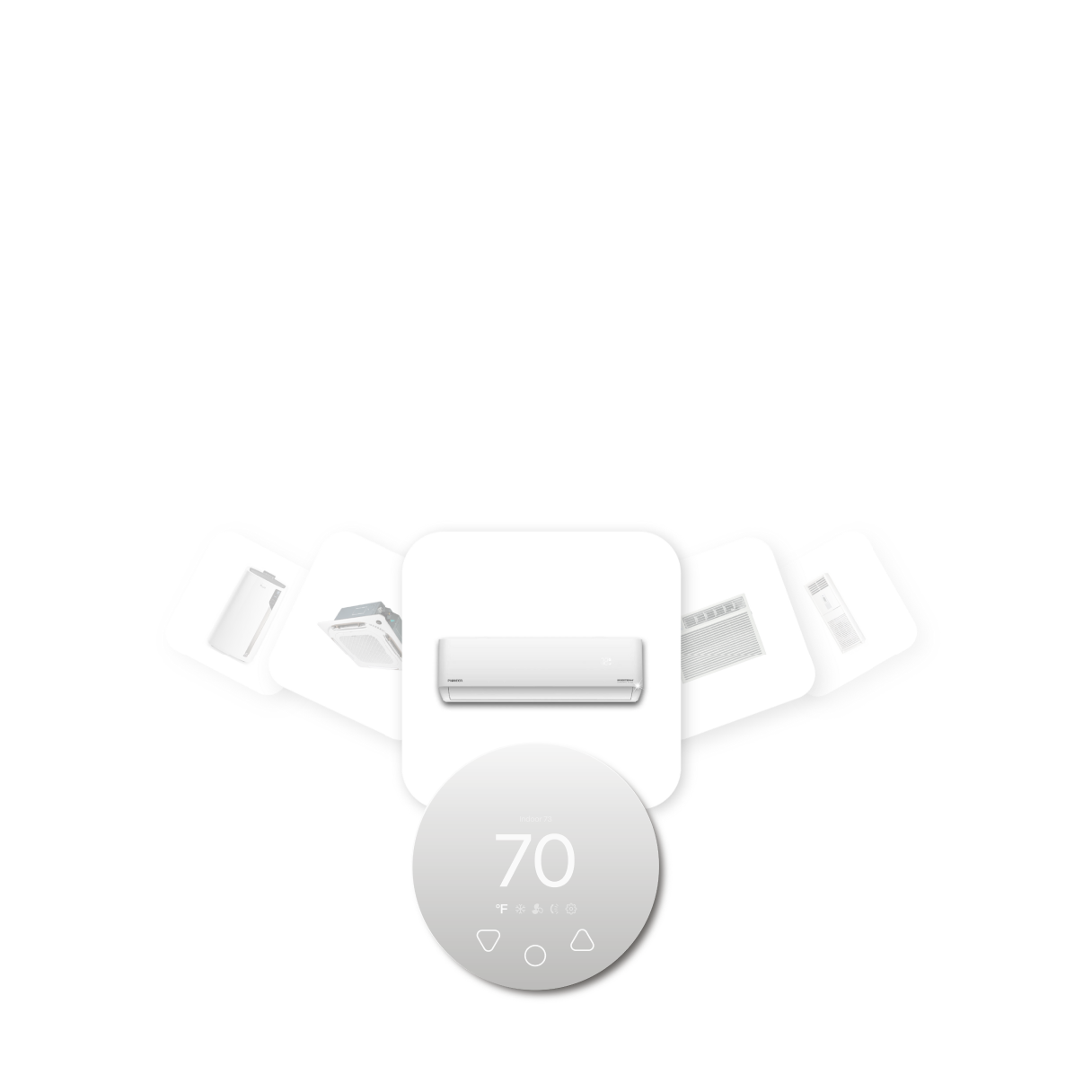
Compatible with all brands of ACs and Mini-Splits
Automate Climate Management
Control remotely
Reduce Energy Consumption
Monitor bills in realtimeKlima - Smart Home Thermostat for Mini-splits, Air Conditioners and Heatpumps

Installation Tips for Additions
- Plan the line set route during framing. Run a conduit or sleeve through the wall during construction so the HVAC installer does not need to drill later.
- Insulate the addition well. A well-insulated addition needs a smaller BTU unit, which costs less to buy and operate. Insulation is the foundation of HVAC efficiency.
- Place the outdoor unit on the same wall or nearby. Shorter line set runs (under 25 feet) are less expensive and more efficient.
- Consider future multi-zone potential. If you plan to add more zones later, install a multi-zone outdoor unit now to avoid replacing it later. Adding indoor units to an existing multi-zone outdoor unit costs less than installing a new system.
Frequently Asked Questions
Can I extend my existing central HVAC to the addition instead?
Possible but often impractical. The existing system may lack capacity for the additional load, and running new ductwork through finished spaces is expensive ($2,000–$8,000). A mini-split is typically cheaper, easier, and provides independent zone control for the addition.
Should I install the mini-split during construction or after?
During construction is ideal. Running the line set, condensate drain, and electrical during the framing stage is easier and less expensive than retrofitting after walls are closed. Coordinate with your general contractor early in the build.
Does a mini-split in an addition add home value?
Yes. An addition with independent heating and cooling is significantly more valuable than one without climate control. According to HVAC trade publications, conditioned additions command higher appraised values and are more attractive to buyers.



Klima - Smart Home Controller for Mini-splits, Air Conditioners and Heatpumps
Compatible with all brands of ACs and Mini-Splits Automate Climate Management Control remotely Reduce Energy Consumption Monitor bills in realtime
Try NowRecent Articles

Mini-Split Outdoor Unit Clearance 2026 Guide
A mini-split outdoor unit needs air. Lots of it. The condenser pull...
Read More
What Happens if Your Mini-Split Is Too Small?
Most homeowner sizing advice focuses on oversized mini-splits. But ...
Read More
Does a Mini-Split Need a Manual J Load Calculation?
A 500-square-foot room does not automatically need a 12,000 BTU min...
Read More
Signs Your Mini-Split May Have a Refrigerant Leak
A mini-split does not normally “use up” refrigerant the way a car u...
Read More
Mini-Split Minimum Capacity: Why It Matters
When homeowners compare mini-splits, they normally look at the bigg...
Read More