







A mini-split heat pump and an electric space heater both run on electricity, but they work fundamentally differently and cost very different amounts to operate. A space heater converts electricity to heat at 100% efficiency — every watt in produces one watt of heat. A mini-split heat pump moves heat from outdoors to indoors using refrigerant, delivering 2–4 watts of heat for every watt of electricity consumed. This efficiency difference has a dramatic impact on your electricity bill.
Compatible with all brands of ACs and Mini-Splits
Automate Climate Management
Control remotely
Reduce Energy Consumption
Monitor bills in realtimeKlima - Smart Home Thermostat for Mini-splits, Air Conditioners and Heatpumps
Side-by-Side Comparison
| Factor | Mini-Split Heat Pump | Electric Space Heater |
|---|---|---|
| Heating efficiency | COP 2.0–4.0 (200–400%) | COP 1.0 (100%) |
| Cooling capability | Yes | No |
| Upfront cost | $2,500–$5,500 installed | $30–$300 |
| Monthly cost (1,000 BTU/hr × 8 hrs/day @ $0.16/kWh) | ~$10–$15 | ~$30–$40 |
| Electrical circuit required | Dedicated 230V circuit | Standard 120V outlet (1,500W models) |
| Installation | Professional installation required | Plug in anywhere |
| Safety risk | Very low (no exposed heating elements) | Higher — leading cause of home heating fires |
| Lifespan | 15–20 years | 3–8 years |
The Real Cost of a Space Heater
A typical 1,500W space heater costs approximately $0.24 per hour to run at $0.16/kWh. Running it 8 hours per day for 5 months of winter: 1,500W × 8h × 150 days ÷ 1,000 × $0.16 = $288 per heating season for one room. An equivalent mini-split heating the same room for the same period at COP 3.0 costs approximately $96 — a savings of $192 per season from one zone.
A mini-split with an installed cost of $4,000 serving one room would pay back the electricity cost difference in approximately 20 years against a space heater alone. However, this comparison changes dramatically when the mini-split also replaces central heating (much larger cost differential) or when cooling in summer is also needed.
When a Space Heater Still Makes Sense
- Temporary heating for a few hours in an occasionally used space
- Supplementing a mini-split in extremely cold weather (below the mini-split's rated minimum)
- Rental situations where permanent installation is not permitted
- Budget situations where the upfront cost of a mini-split is not feasible
Frequently Asked Questions
Is it cheaper to run a mini-split or a space heater?
A mini-split is significantly cheaper to operate — typically 50–70% less electricity for the same heat output at mild temperatures. At very low outdoor temperatures (below 0°F), the efficiency advantage narrows but remains meaningful for cold-climate models. The operating cost savings justify the mini-split's higher upfront cost for anyone heating a space regularly for 3 or more months per year.
Can I use a space heater while waiting for my mini-split installation?
Yes — this is a common and practical interim solution. Use the space heater only in the room you occupy and at the minimum temperature needed for comfort. The higher operating cost is acceptable as a short-term bridge until the permanent system is installed.
Related reading:
→ Mini-Split vs Baseboard Heat: Efficiency and Cost Compared
→ Mini-Split vs Electric Furnace: Which Heats Better?
→ Do Mini-Splits Save Money? Real Numbers for US and Canada


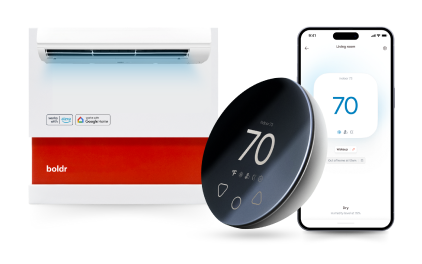
Klima - Smart Home Controller for Mini-splits, Air Conditioners and Heatpumps
Compatible with all brands of ACs and Mini-Splits Automate Climate Management Control remotely Reduce Energy Consumption Monitor bills in realtime
Try NowRecent Articles

Mini-Split Outdoor Unit Clearance 2026 Guide
A mini-split outdoor unit needs air. Lots of it. The condenser pull...
Read More
What Happens if Your Mini-Split Is Too Small?
Most homeowner sizing advice focuses on oversized mini-splits. But ...
Read More
Does a Mini-Split Need a Manual J Load Calculation?
A 500-square-foot room does not automatically need a 12,000 BTU min...
Read More
Signs Your Mini-Split May Have a Refrigerant Leak
A mini-split does not normally “use up” refrigerant the way a car u...
Read More
Mini-Split Minimum Capacity: Why It Matters
When homeowners compare mini-splits, they normally look at the bigg...
Read More