







Adding a mini-split to a home that already has central HVAC is one of the most common installation scenarios — used to condition a room the existing system does not reach, to provide supplemental cooling or heating in a problem area, or to give occupants independent control over a specific zone. This guide covers how to integrate a mini-split with an existing system without conflicts.
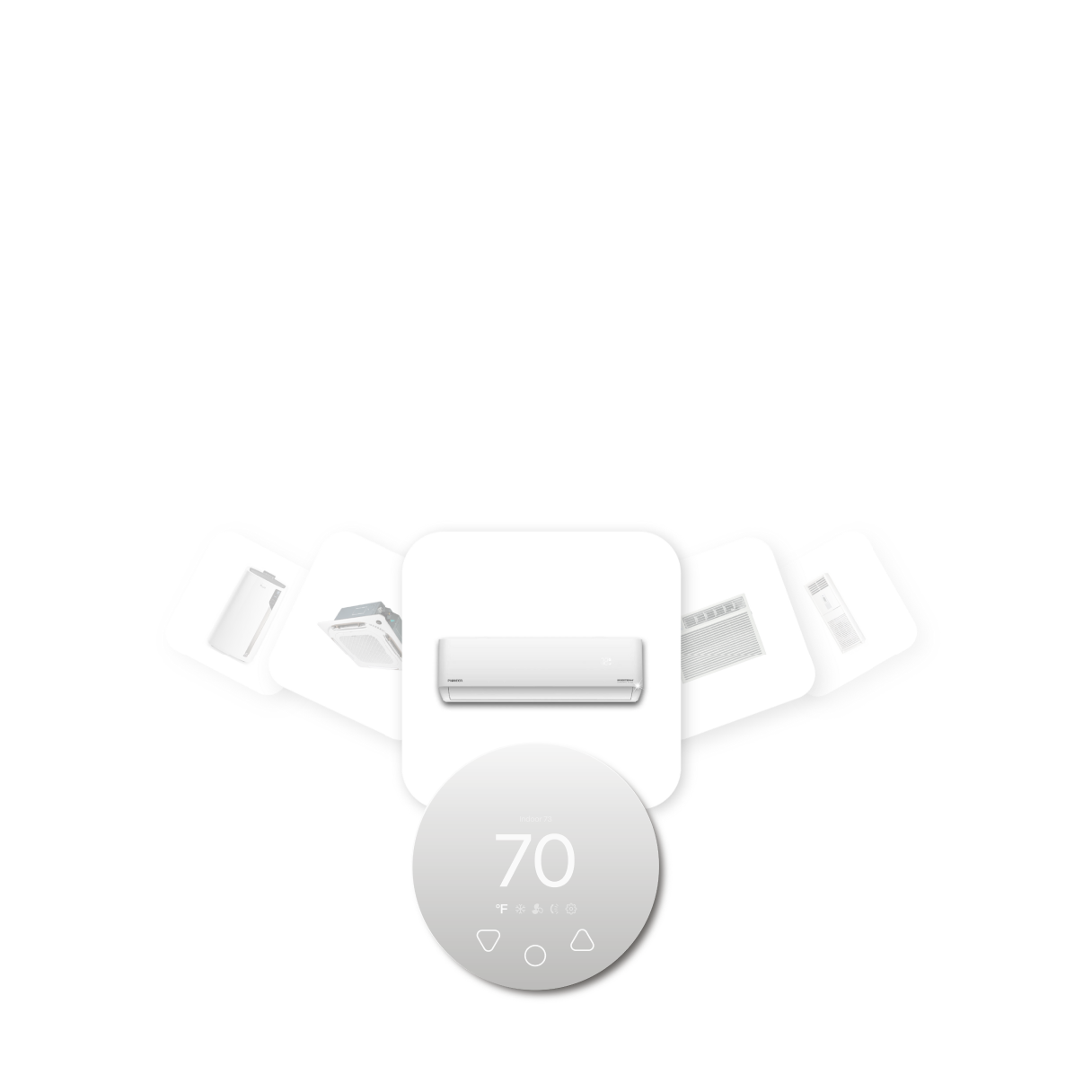
Compatible with all brands of ACs and Mini-Splits
Automate Climate Management
Control remotely
Reduce Energy Consumption
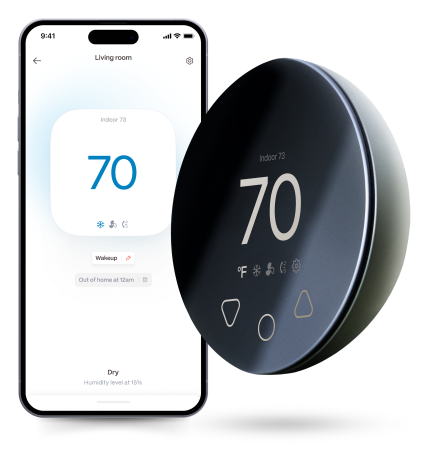
Monitor bills in realtimeKlima - Smart Home Thermostat for Mini-splits, Air Conditioners and Heatpumps
Common Reasons to Add a Mini-Split to an Existing System
- Room addition or garage conversion: The new space is outside the duct system — a mini-split conditions it independently
- Problem room: A bedroom that is always too hot or cold despite the central system running — a mini-split provides supplemental or primary conditioning for that room
- Home office or basement: Spaces that need conditioning during different hours than the main system runs
- Supplemental heating in cold climates: A cold-climate mini-split handles heating more efficiently than the central furnace at moderate temperatures, reducing gas consumption
- Central system at capacity: The existing system cannot handle the full home load — a mini-split supplements without requiring a full system upgrade
How They Coexist
A mini-split operates completely independently of the existing HVAC system. They share no ductwork, no thermostat, and no refrigerant circuit. The mini-split has its own outdoor unit, its own electrical circuit, and its own indoor unit. The two systems can run simultaneously or independently:
- Run the central system for the main living areas; mini-split for the bedroom
- Run the mini-split only during mild weather (more efficient); use central HVAC for peak demand days
- Use the mini-split for heating at moderate temperatures (higher COP); let the central furnace take over in extreme cold
Stay cool and save more. Use code JONES15 to get 15% off your entire order—no strings attached.
Upgrade your comfort with a Klima today.
Practical Installation Considerations
| Consideration | What to Know |
|---|---|
| Electrical panel capacity | The mini-split requires its own dedicated 240V circuit. Verify panel has available capacity before installation. |
| Outdoor unit location | The mini-split outdoor unit is separate from any existing central AC compressor. Both can coexist in the same yard area with adequate clearances. |
| Thermostat conflict | No thermostat conflict — the mini-split uses its own remote control and is not connected to the home's central thermostat wiring. |
| Permits | Mechanical and electrical permits required regardless of existing HVAC — the mini-split is a separate new installation. |
Avoiding the Conflict Zone
The one practical conflict to manage: if both systems serve the same room simultaneously and are set to different temperatures, they will fight each other. Avoid running the central system and the mini-split in the same room at the same time with conflicting setpoints. For rooms served by both systems, decide which takes precedence by season or close the central system's damper to that room if installing a dedicated mini-split for it.
Stay cool and save more. Use code JONES15 to get 15% off your entire order—no strings attached.
Upgrade your comfort with a Klima today.
Frequently Asked Questions
Will adding a mini-split affect my central AC warranty?
No — a mini-split is a completely separate system and has no interaction with the central AC equipment. Adding a mini-split does not affect the existing system's warranty in any way.
Can a mini-split and central AC run at the same time?
Yes — they are independent systems. Running both simultaneously in the same zone at different setpoints wastes energy. Running each in different zones simultaneously (mini-split in bedroom, central AC in living area) is efficient and common.
Related reading:
→ Mini-Split for Home Addition vs Extending Ductwork
→ Mini-Split Installation Guide: The Complete Process
→ Can a Mini-Split Replace a Furnace? Honest Assessment


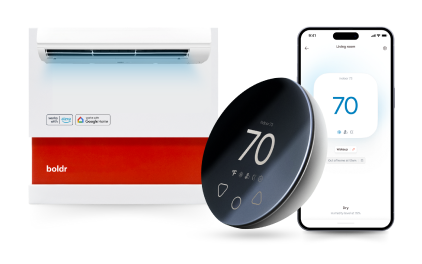
Klima - Smart Home Controller for Mini-splits, Air Conditioners and Heatpumps
Compatible with all brands of ACs and Mini-Splits Automate Climate Management Control remotely Reduce Energy Consumption Monitor bills in realtime
Try NowRecent Articles

Mini-Split Outdoor Unit Clearance 2026 Guide
A mini-split outdoor unit needs air. Lots of it. The condenser pull...
Read More
What Happens if Your Mini-Split Is Too Small?
Most homeowner sizing advice focuses on oversized mini-splits. But ...
Read More
Does a Mini-Split Need a Manual J Load Calculation?
A 500-square-foot room does not automatically need a 12,000 BTU min...
Read More
Signs Your Mini-Split May Have a Refrigerant Leak
A mini-split does not normally “use up” refrigerant the way a car u...
Read More
Mini-Split Minimum Capacity: Why It Matters
When homeowners compare mini-splits, they normally look at the bigg...
Read More