






If you don’t have central air—or only need to cool one room—you’ve probably asked: Do portable air conditioners actually work?
The short answer is yes. Portable air conditioners can effectively cool small to medium-sized spaces when properly sized and installed. However, their performance depends heavily on room size, ventilation setup, energy efficiency, and how you use them.
This guide explains how portable ACs work, their pros and cons, what to consider before buying one, and how smart technology like Klima can make them more efficient and convenient.
How Portable Air Conditioners Work
Portable air conditioners are self-contained cooling systems that plug into a standard wall outlet. Unlike window units, they don’t require permanent installation or structural changes to your home.
Here’s how they work:
-
The unit pulls warm air from the room.
-
Refrigerant inside the system absorbs the heat.
-
The heat is transferred outside through an exhaust hose.
-
Cooled air is circulated back into the room through a fan.
Although portable ACs are easy to move between rooms, they do require an exhaust hose that vents hot air outside—usually through a window kit. Some models also include a built-in dehumidifier, which removes excess moisture and improves overall comfort.
The key difference between models lies in their venting system:
-
Single-hose units exhaust indoor air outside, which can create negative pressure.
-
Dual-hose units use one hose for intake and one for exhaust, improving efficiency and cooling speed.
Benefits of Portable Air Conditioners
Portable air conditioners offer several advantages:
Flexibility
They can be moved from room to room and stored away during cooler seasons. This makes them ideal for apartments, rentals, dorms, and offices.
Cost-Effective Cooling
Installing central air can cost thousands. Portable ACs typically range from $250 to $800, making them a more affordable solution for cooling specific areas.
Energy Savings for Targeted Cooling
Instead of cooling an entire home, you can cool only the room you’re using—reducing energy waste.
Quiet Operation
Many portable units operate between 50–60 decibels, making them suitable for bedrooms and home offices.
No Permanent Installation
Perfect for renters or homeowners who don’t want structural modifications.
Compatible with all brands of ACs and Mini-Splits
Automate Climate Management
Control remotely
Reduce Energy Consumption
Monitor bills in realtimeKlima - Smart Home Thermostat for Mini-splits, Air Conditioners and Heatpumps
Factors to Consider When Choosing a Portable Air Conditioner
Cooling Capacity and BTU Rating
BTUs measure how much heat an AC removes per hour.
For rooms with 8-foot ceilings:
-
150–250 sq ft: 8,000 BTUs
-
250–350 sq ft: 10,000 BTUs
-
350–450 sq ft: 12,000 BTUs
-
450–550 sq ft: 14,000 BTUs
Increase capacity by 10–20% for:
-
High ceilings
-
Heavy sun exposure
-
Multiple occupants
-
Poor insulation
Also note: DOE ratings more accurately reflect real-world cooling performance than older ASHRAE ratings.
Single-Hose vs. Dual-Hose
-
Single-hose units are more affordable but less efficient.
-
Dual-hose systems maintain neutral pressure and cool 30–40% more efficiently.
If you plan to use your unit regularly, dual-hose models are often worth the investment.
Energy Efficiency and Operating Costs
Look for:
-
EER of 10 or higher
-
Energy Star certification
Running a 12,000 BTU portable AC for 8 hours daily can cost $135–$180 over a 90-day summer. Efficient models reduce that cost.
Smart usage—timers, eco-modes, automation—can significantly lower operating expenses.
Noise Levels
Most units run between 50–60 dB.
For bedrooms, prioritize sleep modes and lower fan speeds.
Condensate Drainage
Options include:
-
Self-evaporating systems (low maintenance)
-
Gravity drain reservoirs
-
Built-in condensate pumps
Self-evaporating models are best for moderate climates.
Portability and Installation
Units weigh 50–80+ pounds. If moving frequently, choose one with quality caster wheels and sturdy handles.
Ensure:
-
Your window fits the venting kit
-
You avoid extension cords
-
The outlet can handle 10–15 amps
Choosing the Right Cooling
So, do portable air conditioners work?
Yes—when properly sized and installed, they effectively cool small to medium rooms. They’re ideal if:
-
You rent
-
You only need to cool specific rooms
-
You want a lower upfront cost
However, for whole-home cooling or maximum efficiency, central systems may be better.
The key is matching the unit to your space and usage patterns.

What Is Klima?
While choosing the right portable AC matters, how you control it matters just as much.
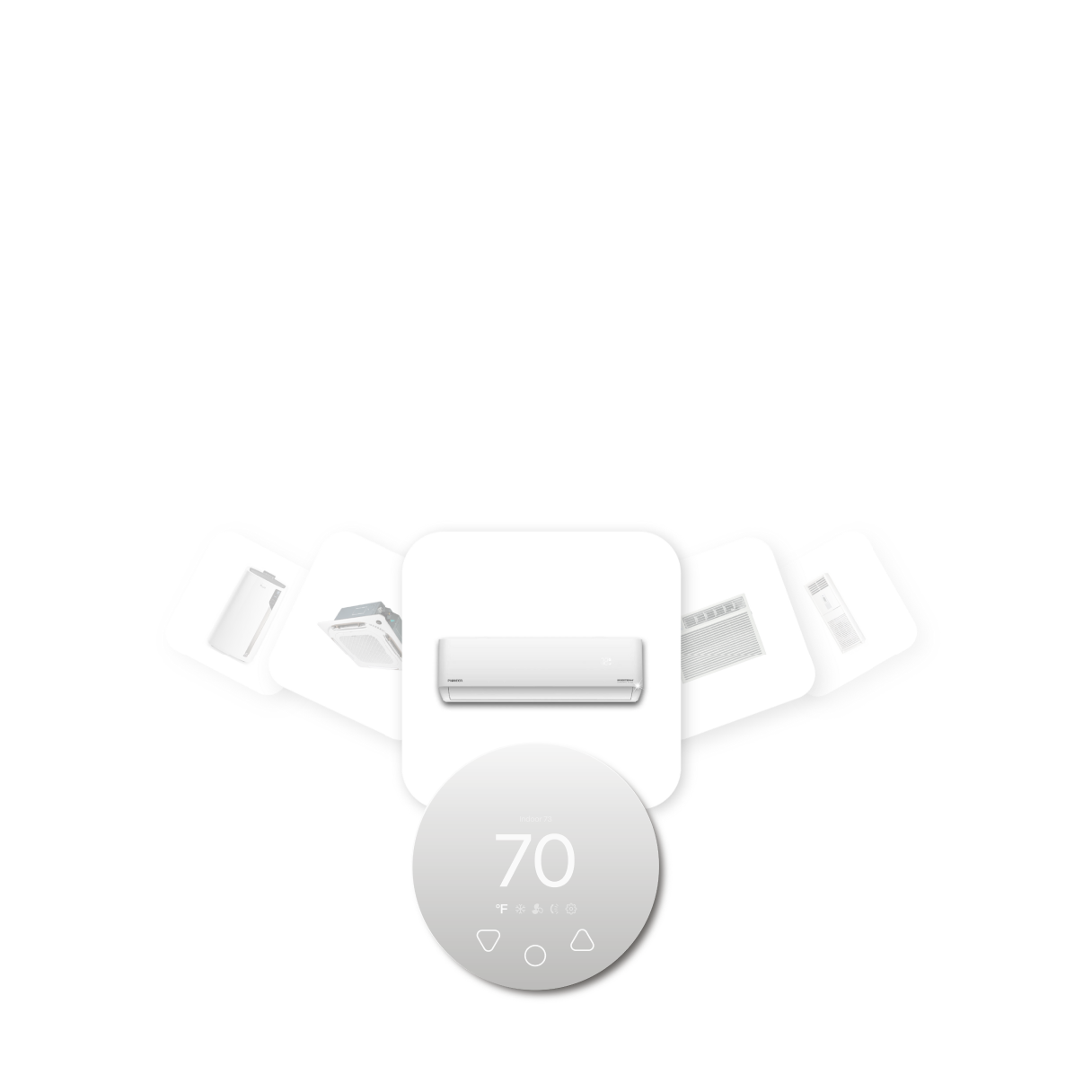
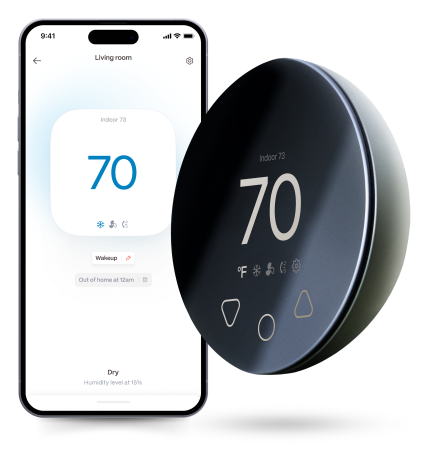
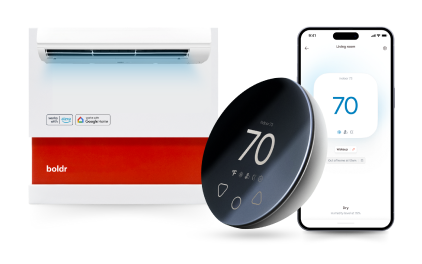
Klima is a smart thermostat designed for ductless air conditioning systems—including portable ACs, window units, and mini-splits.
By adding intelligent automation and monitoring through the Boldr Energy app, Klima can reduce portable A/C energy usage by up to 30% while improving convenience.
Klima’s Smart Features
Klima upgrades your portable AC with powerful smart controls:
1. Remote Access
Control your portable AC from anywhere using the Boldr Energy app. Turn it off if you forget—or cool your space before arriving home.
2. Smart Scheduling Automation
Create automated schedules so your AC runs only when needed. Avoid cooling empty rooms and eliminate manual adjustments.

3. Cost Monitoring
Track real-time energy consumption and receive bill predictions. Understand exactly how much cooling costs and identify waste patterns.
4. Location Sensing Automation
Klima detects when the last person leaves and automatically turns off the portable AC. It can also pre-cool your room before you return.
5. Household Management
Set temperature limits to prevent excessive energy use while allowing flexibility for family members.
6. Health Monitoring
Klima monitors performance patterns and alerts you to irregular behavior—helping extend your AC’s lifespan and prevent breakdowns.
Smart Home Compatibility
Klima integrates with Google Home and Amazon Alexa for voice control and seamless smart home automation.

Conclusion
Portable air conditioners do work—and they can be an effective, flexible solution for cooling small to medium-sized rooms.
They’re affordable, movable, and renter-friendly. However, performance depends on proper sizing, ventilation, and smart usage.
Choosing the right BTU rating, understanding hose types, and optimizing placement makes a significant difference. Adding smart automation through a system like Klima enhances efficiency, lowers energy costs, and provides greater control.
When chosen wisely and used properly, portable ACs can deliver reliable summer comfort without the cost of central air.
FAQ
How much electricity does a portable air conditioner use?
Most units use 900–1,500 watts per hour depending on size. Running 8 hours daily can cost $135–$180 over a summer season.
Can a portable AC cool multiple rooms?
Not effectively. Portable units are designed for single-room cooling.
Why is my portable AC running but not cooling?
Common causes include improper sizing, poor window sealing, clogged filters, or insufficient venting.
Do I need to drain water from my portable AC?
Some models are self-evaporating. Others require periodic draining depending on humidity levels.
How loud are portable air conditioners?
Most operate between 50–60 dB—similar to a quiet conversation.
Single-hose vs. dual-hose: what’s the difference?
Dual-hose systems are more efficient because they maintain neutral air pressure.


Klima - Smart Home Thermostat for Mini-splits, Air Conditioners and Heatpumps
Compatible with all brands of ACs and Mini-Splits Automate Climate Management Control remotely Reduce Energy Consumption Monitor bills in realtime
Try NowRecent Articles

Mini-Split Outdoor Unit Clearance 2026 Guide
A mini-split outdoor unit needs air. Lots of it. The condenser pull...
Read More
What Happens if Your Mini-Split Is Too Small?
Most homeowner sizing advice focuses on oversized mini-splits. But ...
Read More
Does a Mini-Split Need a Manual J Load Calculation?
A 500-square-foot room does not automatically need a 12,000 BTU min...
Read More
Signs Your Mini-Split May Have a Refrigerant Leak
A mini-split does not normally “use up” refrigerant the way a car u...
Read More
Mini-Split Minimum Capacity: Why It Matters
When homeowners compare mini-splits, they normally look at the bigg...
Read More