






Mini-splits are an excellent fit for mobile homes and manufactured housing — they require no ductwork modifications, provide both heating and cooling, and can replace or supplement aging gas furnace and window AC combinations common in older mobile homes. This guide covers sizing, installation considerations specific to mobile home construction, and what to expect in terms of cost.
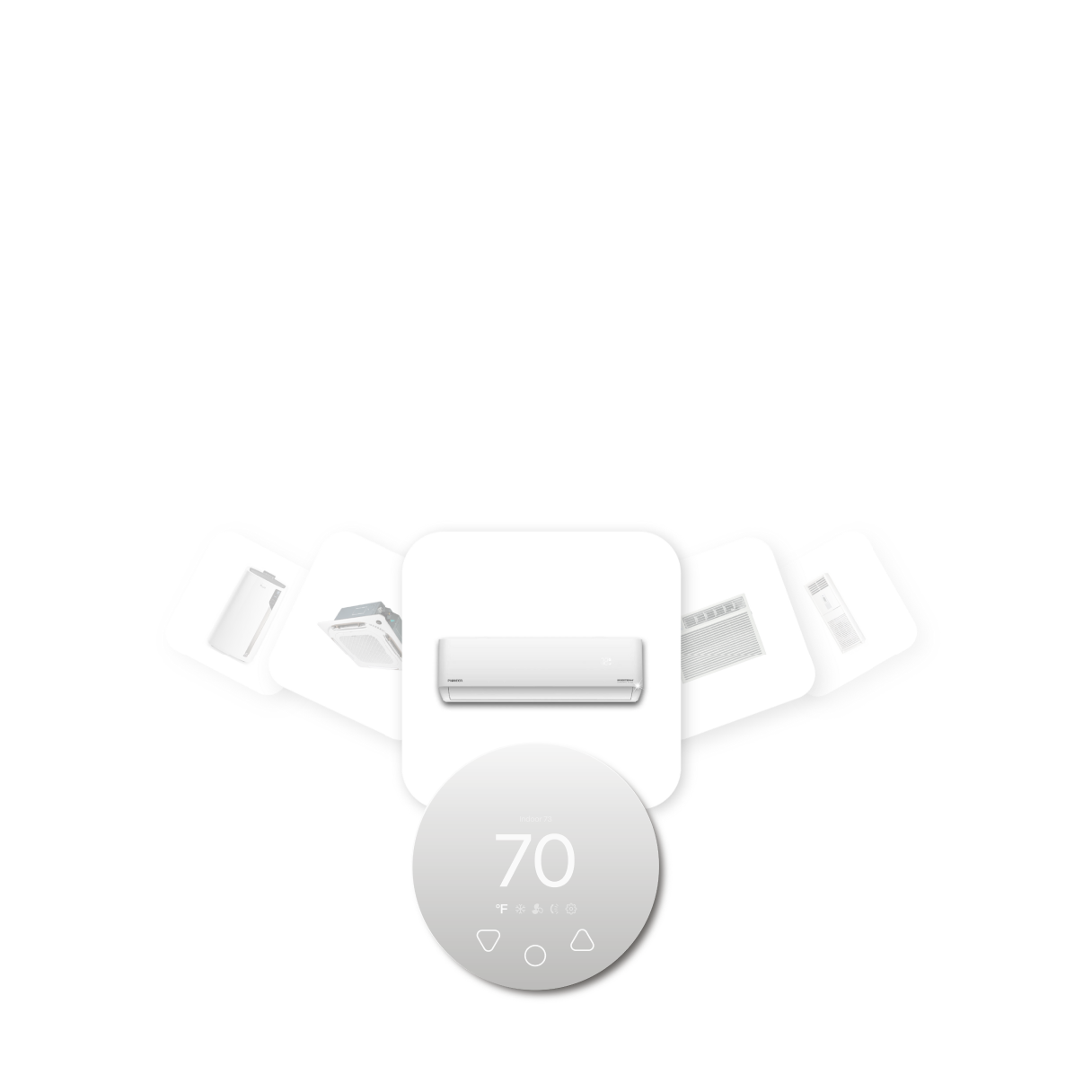
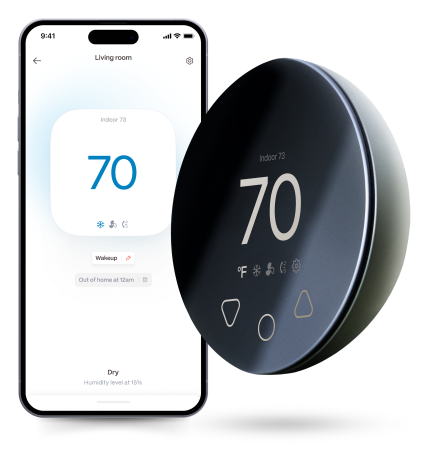
Compatible with all brands of ACs and Mini-Splits
Automate Climate Management
Control remotely
Reduce Energy Consumption
Monitor bills in realtimeKlima - Smart Home Thermostat for Mini-splits, Air Conditioners and Heatpumps
Why Mini-Splits Work Well in Mobile Homes
- No duct modifications: Many older mobile homes have deteriorated ductwork or non-standard duct layouts. A ductless mini-split bypasses the duct system entirely.
- Zone control: A 2–3 zone mini-split system gives each area of the mobile home independent temperature control — no more one thermostat trying to serve the whole length of the unit.
- Cooling + heating in one: Replaces both the window AC units and the gas or electric furnace with a single, more efficient system.
- Lower operating cost: Modern mini-split heat pumps operate at 2–4x the efficiency of electric resistance heating common in older mobile home furnaces.
Sizing for a Mobile Home
| Mobile Home Size | Zones | Recommended System |
|---|---|---|
| Single-wide (600–900 sq ft) | 1–2 | One 18,000 BTU or two 9,000 BTU units |
| Double-wide (1,000–1,400 sq ft) | 2–3 | Two 12,000 BTU or three 9,000 BTU units |
| Triple-wide (1,500+ sq ft) | 3–4 | Three 12,000 BTU or 2-zone + 1-zone combination |
Mobile homes tend to have less insulation than site-built homes. Add 15–20% to BTU requirements for older mobile homes with minimal wall and ceiling insulation. Newer HUD-code manufactured homes (post-1976) have better insulation standards.
Stay cool and save more. Use code JONES15 to get 15% off your entire order—no strings attached.
Upgrade your comfort with a Klima today.
Mobile Home-Specific Installation Considerations
- Wall thickness: Mobile home walls are typically thinner than standard construction (3.5 inches vs 5.5 inches). Verify the line set sleeve fits within the wall depth before purchasing.
- Exterior wall material: Many mobile homes use vinyl or aluminum siding over thin OSB sheathing. The wall bracket must be secured to studs — verify stud locations and use appropriate fasteners.
- Skirting and outdoor unit placement: The outdoor unit needs a stable pad or bracket. If placing near the mobile home's skirting, ensure adequate clearance and that the unit is not in a location where skirting removal for maintenance is difficult.
- Electrical: Many older mobile homes have 100-amp service — verify there is adequate capacity for a dedicated mini-split circuit before installation.
Frequently Asked Questions
Can I install a mini-split myself in a mobile home?
The mechanical installation (mounting brackets, running line set, connecting drain) can be done as a DIY project with a pre-charged system like MrCool DIY. The electrical circuit (dedicated 230V) requires a licensed electrician. Mobile home electrical work may also require permits from both the local jurisdiction and the mobile home park management.
Is a mini-split better than replacing the mobile home's furnace?
For most mobile homeowners, yes — a mini-split provides both heating and cooling, is significantly more efficient than electric resistance furnaces common in mobile homes, and eliminates the need for separate window AC units. The upfront cost is higher than a simple furnace replacement, but the combined heating and cooling function and lower operating cost typically justify the investment over 3–5 years.
Related reading:
→ Mini-Split for Apartment: What Renters Need to Know
→ How Much Does a Mini-Split Cost? Full 2026 Guide
→ Can a Mini-Split Replace a Furnace? Honest Assessment


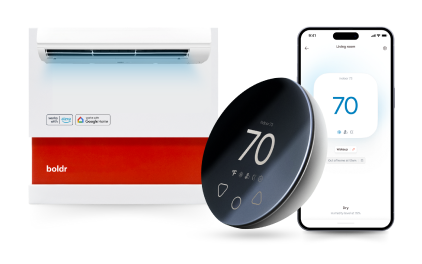
Klima - Smart Home Controller for Mini-splits, Air Conditioners and Heatpumps
Compatible with all brands of ACs and Mini-Splits Automate Climate Management Control remotely Reduce Energy Consumption Monitor bills in realtime
Try NowRecent Articles

Mini-Split Outdoor Unit Clearance 2026 Guide
A mini-split outdoor unit needs air. Lots of it. The condenser pull...
Read More
What Happens if Your Mini-Split Is Too Small?
Most homeowner sizing advice focuses on oversized mini-splits. But ...
Read More
Does a Mini-Split Need a Manual J Load Calculation?
A 500-square-foot room does not automatically need a 12,000 BTU min...
Read More
Signs Your Mini-Split May Have a Refrigerant Leak
A mini-split does not normally “use up” refrigerant the way a car u...
Read More
Mini-Split Minimum Capacity: Why It Matters
When homeowners compare mini-splits, they normally look at the bigg...
Read More