







A mini-split refrigerant recharge is not routine maintenance — it is a repair that is only needed when refrigerant has leaked out of the system. A properly installed and functioning mini-split should never need to be recharged: it is a sealed system, and refrigerant does not get "used up" the way fuel does. If your system is low on refrigerant, there is a leak that must be found and repaired before any recharge is performed.
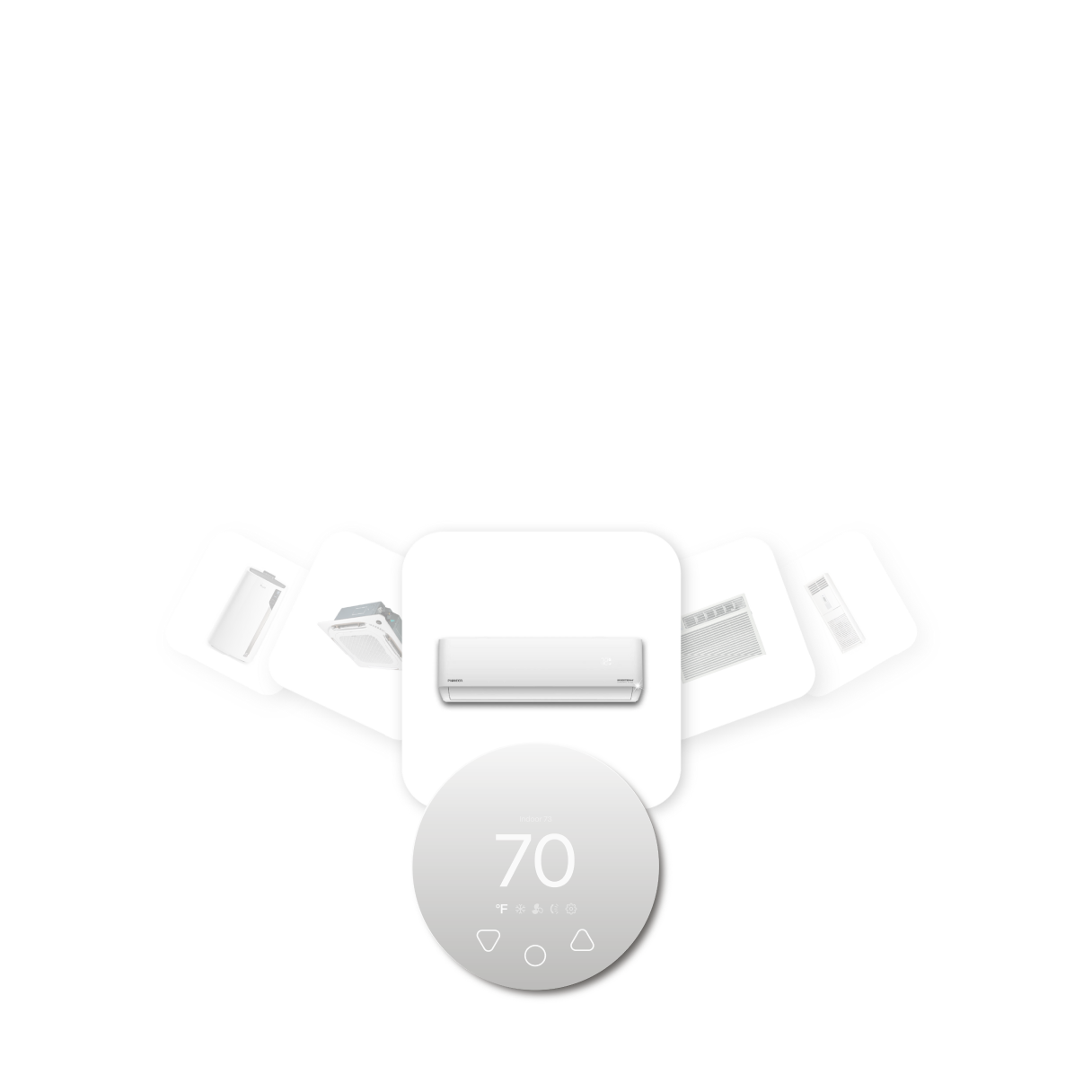
Compatible with all brands of ACs and Mini-Splits
Automate Climate Management
Control remotely
Reduce Energy Consumption
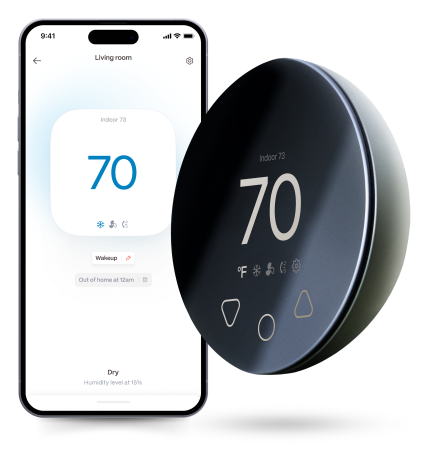
Monitor bills in realtimeKlima - Smart Home Thermostat for Mini-splits, Air Conditioners and Heatpumps
Signs Your Mini-Split Needs a Refrigerant Recharge
- Reduced or lost cooling output despite filter and coil being clean
- Ice forming on the indoor coil or refrigerant lines
- E2 or low pressure error code on the display
- The unit runs continuously but can't reach setpoint
- Hissing sound near refrigerant line connections
- Higher electricity bills without change in usage
Why You Cannot Simply "Top Up" Refrigerant
Adding refrigerant without first finding and fixing the leak is ineffective and wastes money — the refrigerant will simply continue to escape at the same rate. A refrigerant recharge without leak repair is a temporary fix that typically lasts weeks to months before the system is low again. The correct sequence is always: find the leak → repair the leak → recharge to specification.
Who Can Perform a Refrigerant Recharge
Refrigerant handling in the US requires EPA Section 608 certification. In Canada, refrigerant work requires certification under the Refrigeration and Air Conditioning (RAC) technician trade. This work cannot legally be performed by an uncertified homeowner and requires professional equipment (manifold gauges, vacuum pump, refrigerant cylinders, and often leak detection equipment).
What a Refrigerant Recharge Service Involves
| Step | What the Technician Does |
|---|---|
| 1. Leak detection | Electronic sniffer, UV dye, or nitrogen pressure test to locate leak source |
| 2. Leak repair | Re-torque flare connections, replace damaged line set section, or repair coil |
| 3. Nitrogen pressure test | Verify repair holds under pressure before adding refrigerant |
| 4. System evacuation | Vacuum pump pulls moisture and air from the refrigerant circuit |
| 5. Refrigerant charge | Add correct type and quantity of refrigerant per manufacturer specification |
| 6. Verify operation | Check pressures, temperatures, and superheat/subcooling to confirm correct charge |
Refrigerant Recharge Cost (US, 2026)
| Service | Typical Cost |
|---|---|
| Leak detection only | $75–$150 |
| Minor leak repair (re-torque flare) | $100–$200 |
| Refrigerant recharge (after repair) | $150–$350 depending on refrigerant type and quantity |
| Total service (detection + repair + recharge) | $300–$700 for minor leaks |
Frequently Asked Questions
How often should a mini-split be recharged?
Never, on a properly functioning system. A mini-split that needs recharging every year or two has an unresolved leak. Each recharge without fixing the leak loses refrigerant to the atmosphere (an environmental and regulatory issue) and delays the compressor damage that will eventually result from operating with insufficient refrigerant.
Can I buy refrigerant and recharge it myself?
No. Purchasing refrigerant (R-410A, R-32, R-454B) in the US and Canada requires EPA Section 608 or RAC certification. It is illegal for non-certified individuals to purchase or handle regulated refrigerants. Beyond the legal issue, adding refrigerant without the right equipment and training risks overcharging the system, which causes just as much damage as undercharging.
Related reading:
→ Mini-Split Refrigerant Leak: Signs, Cost and What to Do
→ Mini-Split Repair Cost: What to Expect in 2026
→ Mini-Split Not Cooling? 10 Reasons and How to Fix


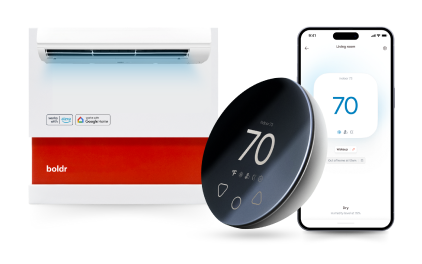
Klima - Smart Home Controller for Mini-splits, Air Conditioners and Heatpumps
Compatible with all brands of ACs and Mini-Splits Automate Climate Management Control remotely Reduce Energy Consumption Monitor bills in realtime
Try NowRecent Articles

Mini-Split Financing Options 2026: US and Canada Guide
The upfront cost of a mini-split — typically USD $2,500–$8,000 inst...
Read More
Mini-Split Inverter vs Non-Inverter: What's the Difference?
Every modern residential mini-split sold in North America in 2026 u...
Read More
Canada Greener Homes Grant for Mini-Splits: 2026 Complete Guide
The Canada Greener Homes Grant is the federal government's primary ...
Read More
Mini-Split Indoor Unit Mounting Height: The Complete Guide
The height at which you mount the mini-split indoor unit significan...
Read More
Do You Need a Permit to Install a Mini-Split?
Yes — permits are required for mini-split installations in virtuall...
Read More