






If every January your revenue pipeline starts back at zero, you don't have a business — you have a very good sales team that has to win the same customers over and over. That's the quiet problem with install-only HVAC businesses: they're profitable, but they're exhausting, because growth requires an ever-larger volume of new leads just to stand still.
Recurring revenue — maintenance agreements, monitoring subscriptions, warranty-backed service relationships — changes that math. It's also the single biggest lever on your business's valuation if you ever want to sell, since buyers pay a premium for predictable revenue over one-off transactions. Here's how to actually build it, not just talk about it.
Start With What You're Already Giving Away for Free
Most contractors already do a version of recurring service — they just don't charge for it as a product. Spring and fall tune-ups, filter reminders, "call us if anything comes up" — all of that is a maintenance agreement without the agreement. The first step isn't inventing a new offering; it's packaging what you already do into something a customer signs up for and pays for on a schedule.
Structure it around three tiers, not one flat plan: a basic tier (annual inspection, priority scheduling), a mid tier (bi-annual service, discounted repairs), and a premium tier (bi-annual service, no-charge minor repairs, extended warranty coverage). Customers self-select into the tier that matches their risk tolerance, and you capture more total revenue than a single one-size plan would generate.
Price It as a Retention Tool, Not a Profit Center
The instinct is to price maintenance plans to maximize margin on the plan itself. That's usually a mistake. The real value of a service agreement isn't the plan fee — it's that it converts a customer who might call three different contractors for their next repair into one who calls you automatically, and it gives you a scheduled reason to be back in their home or building every six months, where you can catch small issues before they become large ones and identify upsell opportunities naturally.
Price plans to be genuinely attractive, even close to breakeven on the agreement itself, and make your margin on the priority repair work, replacement referrals, and reduced marketing spend that a retained customer base generates.
Make Renewal Automatic, Not a Re-Sell Event
The biggest leak in most contractor service-agreement programs isn't signing customers up — it's losing them at renewal because nobody proactively re-engaged them. Auto-renewal with card-on-file, paired with a simple annual check-in call or automated reminder, keeps renewal rates dramatically higher than plans that require the customer to actively re-purchase every year.
Track your renewal rate as a KPI with the same seriousness you track close rate on new installs. A service agreement business with an 60% renewal rate and one with an 85% renewal rate are fundamentally different businesses, even if their sign-up numbers look identical.
Use Data and Monitoring as a Retention Multiplier
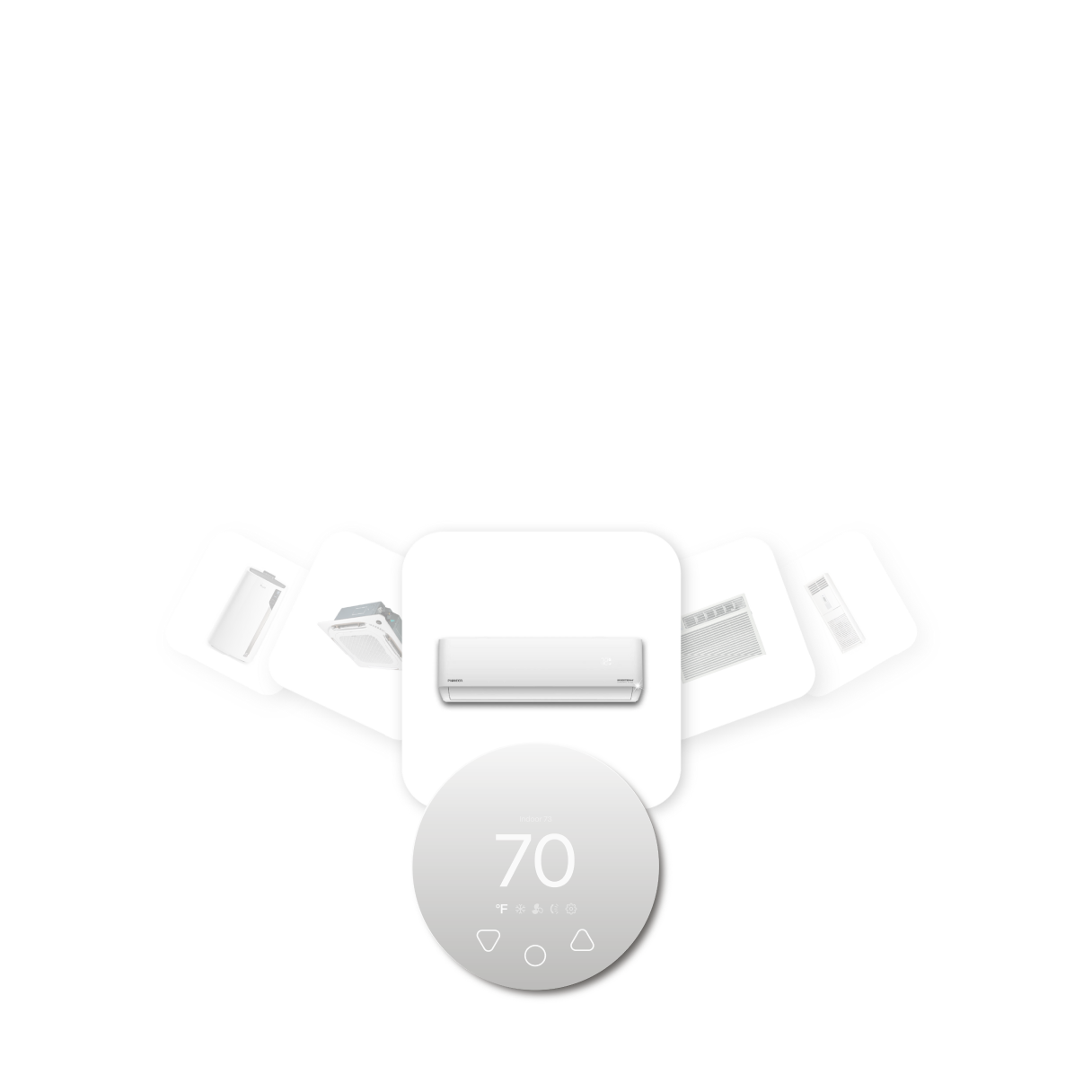
This is where recurring revenue and connected equipment reinforce each other. A maintenance plan sold on "we'll come check on it twice a year" is a calendar commitment. A maintenance plan backed by actual system health data — unit performance tracked between visits, alerts before a failure rather than after — is a materially stronger retention story, because the customer can see the value happening in real time instead of taking your word for it twice a year.
Contractors running fleet-level monitoring across their installed base are also finding a second, quieter benefit: it turns a reactive service model (wait for the phone to ring) into a proactive one (reach out when the data shows a problem developing), which both increases billable service revenue and heads off the kind of surprise failure that damages a customer relationship.
Bundle Recurring Revenue Into the Install Sale Itself
Don't treat the maintenance plan as an upsell you attempt after the install is already closed. Build it into the proposal as a default-included first year, with the option to continue afterward. Customers who receive a plan as part of the original purchase renew at meaningfully higher rates than customers who are pitched a separate add-on weeks later, because it never became a second decision they had to make.
Track the Metric That Actually Matters: Recurring Revenue as a Percentage of Total
Most contractors track total revenue and maybe gross margin. Fewer track what percentage of monthly revenue comes from agreements, monitoring, and recurring service versus one-time installs. That single number is the clearest signal of how resilient your business actually is heading into a slow season, an economic downturn, or a valuation conversation with a potential buyer.
A useful target for a maturing HVAC business is to get recurring revenue above 20-30% of total revenue. Below that, you're still fundamentally an install-dependent business with a service program attached. Above it, you start to have real predictability in your cash flow and real defensibility in your customer base.
The Fleet Management Piece
As your agreement base grows, managing it manually — spreadsheets, sticky notes, memory — breaks down fast. Contractors scaling past a few hundred active agreements need a real system for tracking warranty status, service history, and unit health across every customer property, both to deliver on the plan they sold and to spot the patterns (which brands fail more, which install types generate more callbacks) that make the next year's plan more profitable than the last.
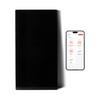
The Boldr Pro Platform was built around exactly this problem — a single dashboard for monitoring every customer's system, warranty, and maintenance status across your full installed base, so recurring revenue doesn't just mean recurring paperwork.
Recurring revenue isn't a marketing tactic. It's a different kind of business — one where growth compounds instead of resetting every January.


Recent Articles

Mini-Split Outdoor Unit Clearance 2026 Guide
A mini-split outdoor unit needs air. Lots of it. The condenser pull...
Read More
What Happens if Your Mini-Split Is Too Small?
Most homeowner sizing advice focuses on oversized mini-splits. But ...
Read More
Does a Mini-Split Need a Manual J Load Calculation?
A 500-square-foot room does not automatically need a 12,000 BTU min...
Read More
Signs Your Mini-Split May Have a Refrigerant Leak
A mini-split does not normally “use up” refrigerant the way a car u...
Read More
Mini-Split Minimum Capacity: Why It Matters
When homeowners compare mini-splits, they normally look at the bigg...
Read More