





The instinct when a room runs cold is to buy a heater. The better first move is to work out why it's cold, because several of the most common causes cost nothing to fix and make whatever heater you eventually add work far better. Here's the order that actually solves the problem, not just masks it.
30% more cost effective than traditional heaters
Smart functions to automate home climate
Control remotely
Maintenance Free
Easy 5 minute installation
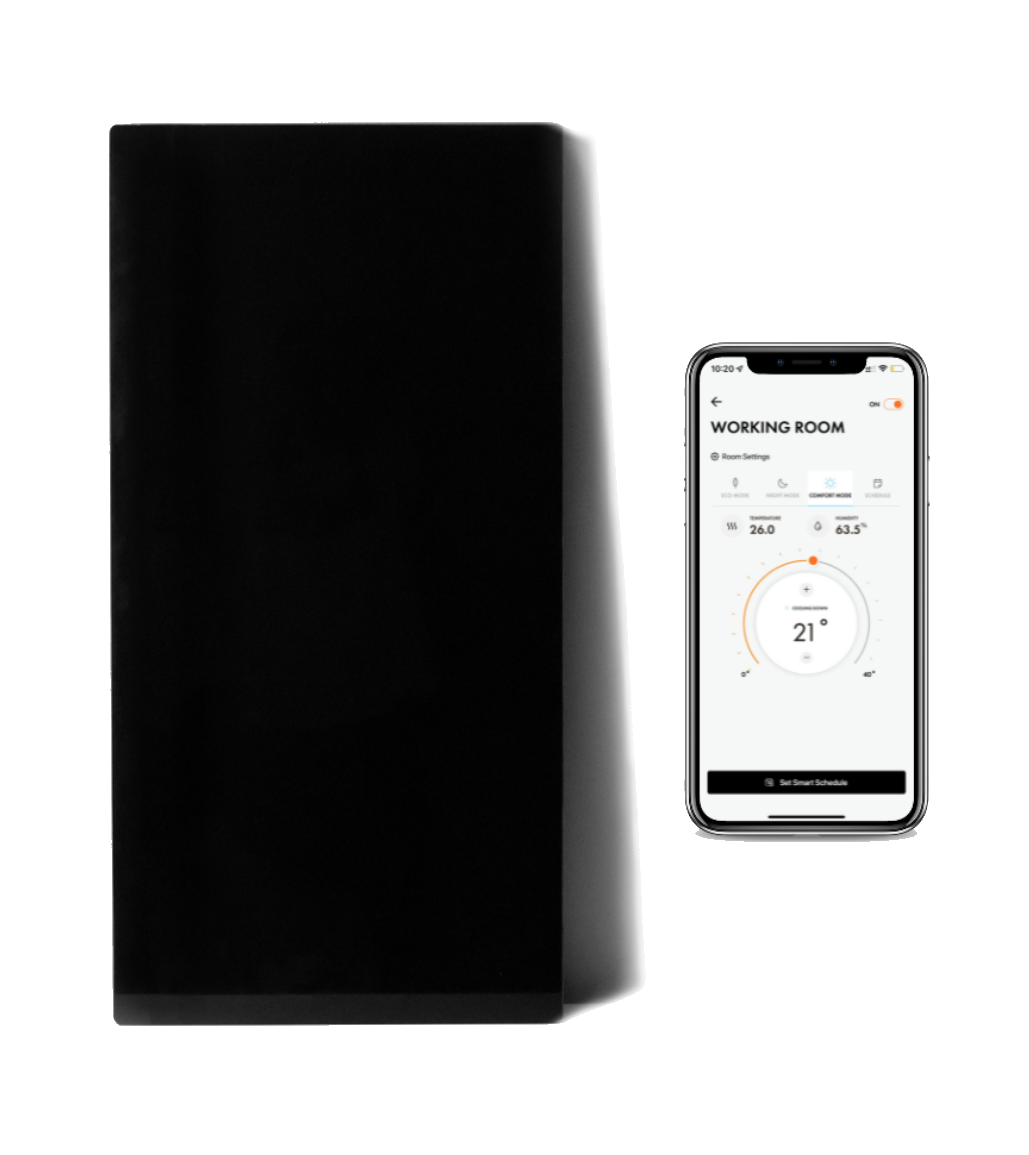
Kelvin - cost effective, smart electric heater
Stay warm and save more. Use code JONES15 to get 15% off your entire order—no strings attached.
Upgrade your comfort with a Kelvin today
Step 1: The Free Fixes, Check These First
Blocked or closed vents. A vent closed to "save energy" or hidden behind furniture is sending that room's share of your heating system's output somewhere else. Open every vent fully and move anything blocking airflow — this alone fixes a surprising number of "always cold" rooms.
A dirty furnace filter. A clogged filter restricts airflow through your entire system, and the rooms furthest from the furnace — often the ones already running cold — feel it first. Check it; replace if it's visibly gray or caked.
Closed or stuck dampers. If your ductwork has adjustable dampers, confirm they're actually open to the room in question. These get bumped closed during other work and forgotten.
Trapped air in radiators. For homes with radiator heat, trapped air prevents hot water from filling the radiator fully. Bleeding the radiator (a five-minute task with a radiator key) often restores heat output immediately.
Step 2: The Heat-Loss Fixes, Small Cost
Draft-seal doors and windows. A draft is often the actual source of "cold room," not insufficient heating capacity. Weatherstripping, draft stoppers, and sealing gaps around window frames address the cause rather than compensating for it.
Add or upgrade insulation where it's missing. Exterior walls, especially in older additions or converted spaces, are a common insulation gap. This is a bigger project than the fixes above, but it's the fix that actually changes the room's baseline temperature rather than requiring more heat input to compensate.
Reverse ceiling fans in winter. Set to clockwise (reverse) at low speed, a ceiling fan pushes warm air that's risen to the ceiling back down into the room — a free fix for rooms with high ceilings specifically.
Step 3: Only Now, Direct Heat
If the room is still cold after the fixes above, that's a real signal it needs supplemental heat rather than a maintenance fix — and at this point, sizing a heater to the room makes more sense, because you're sizing for its actual heat-loss profile rather than compensating for a blocked vent or a draft that didn't need a heater at all.
Kelvin covers up to 100 sq ft (450W) or 200 sq ft (700W), wall-mounted with no floor footprint — useful specifically for a room that's structurally fine but consistently runs a few degrees cooler than the rest of the house, rather than a room with an unaddressed insulation or draft problem underneath the symptom.
FAQ
Why is one room in my house always colder than the rest?
Most often a blocked vent, closed damper, dirty filter, or a draft — not an inherent flaw in the room. Check these free fixes before assuming the room needs a heater.
Does closing vents in unused rooms save energy?
No — it can actually make other rooms, including ones you do use, run colder by unbalancing airflow through the system. Keep vents open unless a professional has specifically recommended otherwise for your system.
Will a ceiling fan actually help a cold room in winter?
Yes, if reversed to run clockwise at low speed — it pushes warm air that naturally rises back down into the room, which matters most in rooms with higher ceilings.
When does a cold room actually need a heater instead of a fix?
After the free and low-cost fixes (vents, filter, dampers, drafts, insulation) are addressed and the room is still consistently cooler than the rest of the house — at that point it's a genuine heat-loss or heat-distribution gap, not a maintenance issue.
Stay warm and save more. Use code JONES15 to get 15% off your entire order—no strings attached.
Upgrade your comfort with a Kelvin today
Bottom Line
Check vents, filters, dampers, and drafts before buying anything — most "always cold" rooms have a free fix hiding in that list. Once those are ruled out, a sized supplemental heater like Kelvin addresses what's actually left: a room that's structurally fine but needs its own heat source.


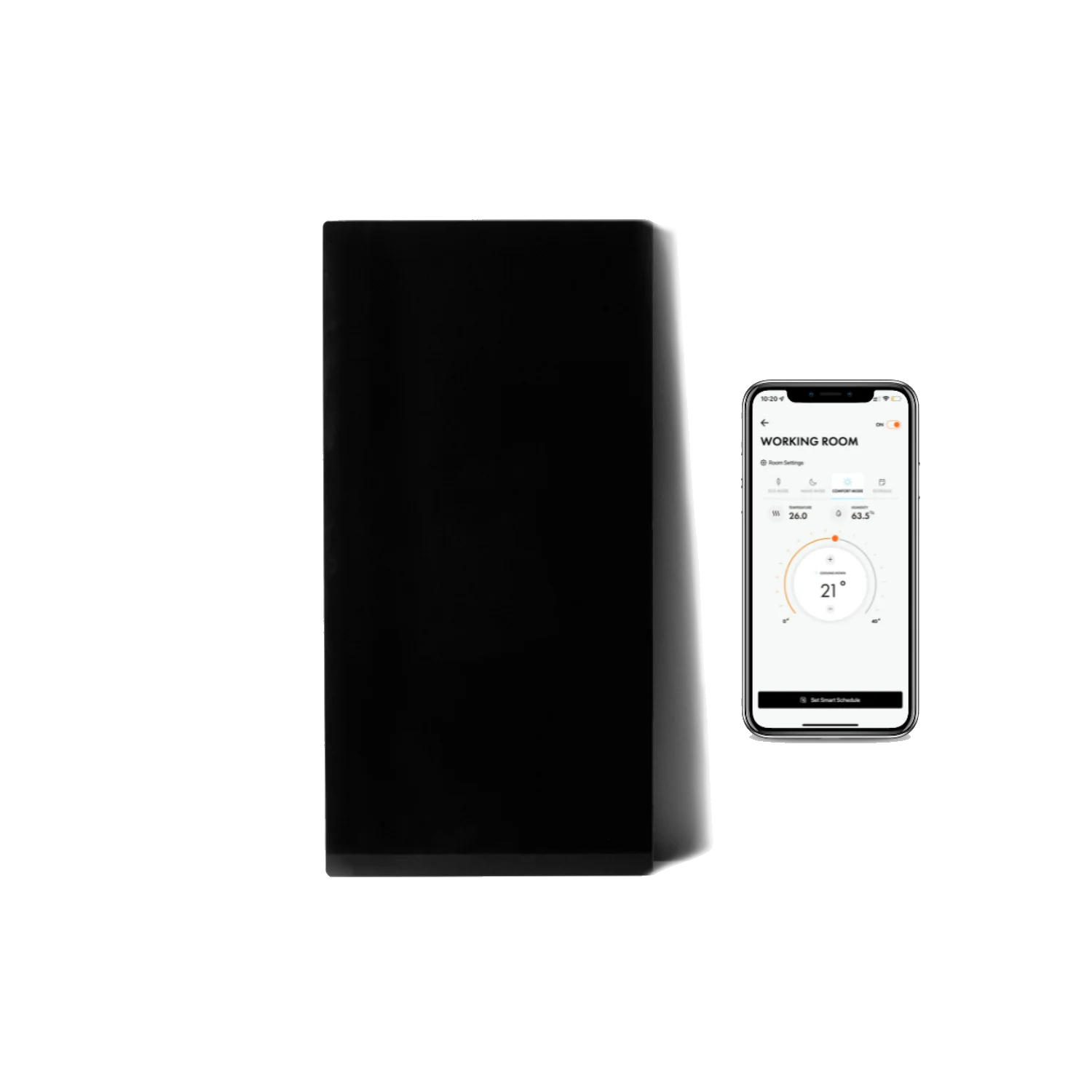
Kelvin - cost effective, smart electric heater
30% more cost effective than traditional heaters Smart functions to automate home climate Control remotely Maintenance Free Easy 5 minute installation
Try NowRecent Articles

Why Is This Room Always Cold? The Real Fixes, in Order
The instinct when a room runs cold is to buy a heater. The better ...
Read More
Best Heater for Airbnb; Rental Properties, No Install
Best Heater for Airbnb & Rental Properties (No Permanent Insta...
Read More
How to Heat a Basement That's Always Cold
A basement runs cold for a different reason than a drafty upstairs...
Read More
Extension Cords and Space Heaters: CPSC's Real Warning
Extension Cords and Space Heaters: What CPSC Actually Warns About ...
Read More
Mini-Split Outdoor Unit Clearance 2026 Guide
A mini-split outdoor unit needs air. Lots of it. The condenser pull...
Read More