







A mini-split can replace a furnace in most climates and most homes — with the key variables being your local winter temperatures, the size of your home, and whether you want a complete system replacement or a hybrid approach. For homeowners considering eliminating a gas furnace entirely, this guide provides an honest assessment of what works, what does not, and how to make the transition.
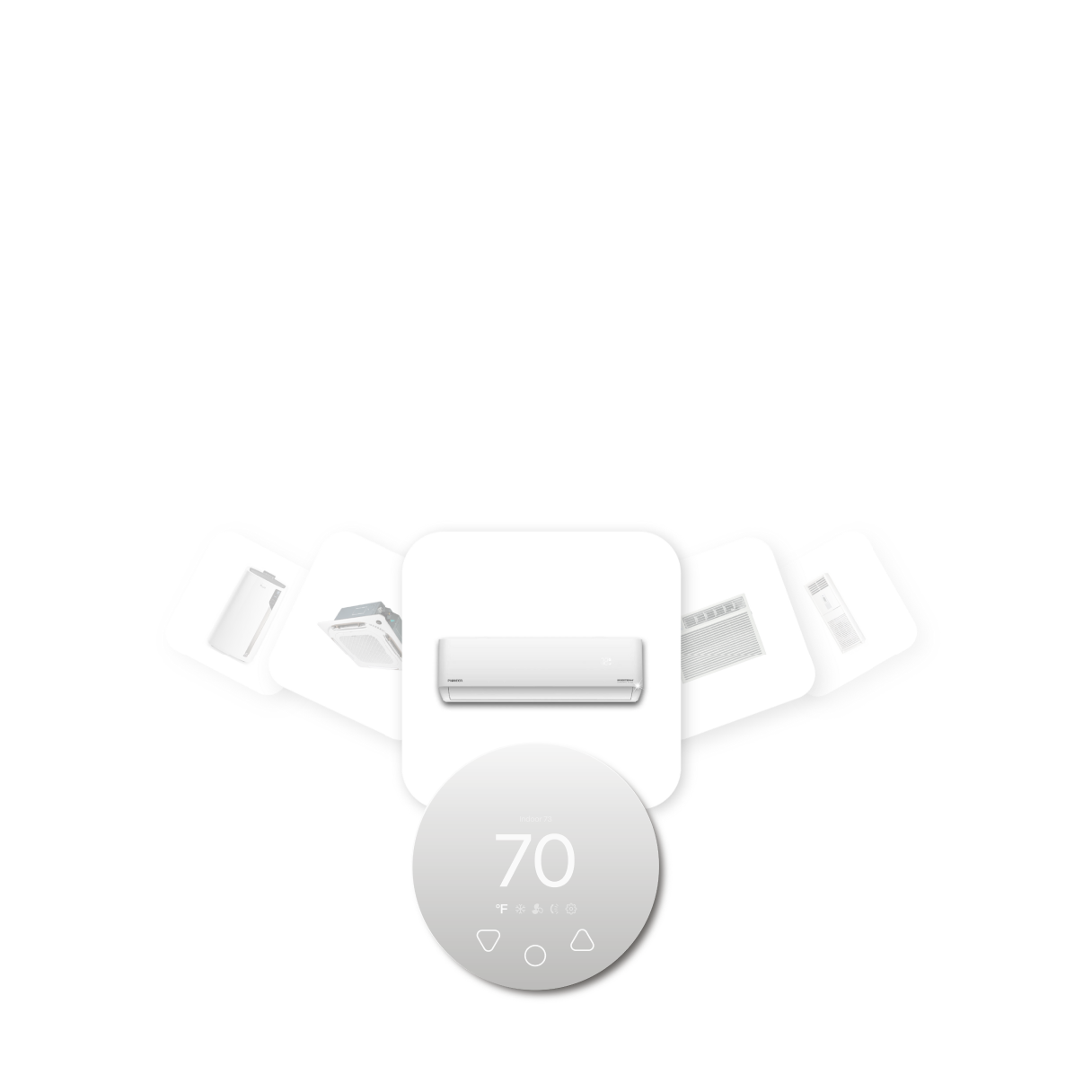
Compatible with all brands of ACs and Mini-Splits
Automate Climate Management
Control remotely
Reduce Energy Consumption
Monitor bills in realtimeKlima - Smart Home Thermostat for Mini-splits, Air Conditioners and Heatpumps

When a Mini-Split Can Fully Replace a Furnace
- Moderate climates (US Southeast, Pacific Northwest, most of the UK/Europe): Standard mini-splits provide excellent primary heat with no supplemental backup needed.
- Cold climates with cold-climate mini-split models: Mitsubishi H2i, Daikin Aurora, LG LGRED°, and Fujitsu Halcyon are rated to −13°F (−25°C) and are used as sole heat sources across Canada and the northern US Midwest and New England.
- Homes without existing ductwork: Mini-splits are the most practical replacement — adding ductwork for a central furnace to a ductless home costs $8,000–$15,000.
- Homeowners wanting to eliminate gas: A fully electric home with a heat pump and battery backup or grid power eliminates gas infrastructure maintenance, gas bills, and carbon emissions.
When a Hybrid Approach (Mini-Split + Backup Heat) Makes Sense
| Situation | Recommended Approach |
|---|---|
| Temperatures regularly below −13°F (−25°C) | Cold-climate mini-split + electric resistance backup strips for the coldest hours |
| Existing gas furnace in good condition | Dual-fuel: mini-split for moderate cold; gas furnace below a set temperature threshold |
| Large home (2,500+ sq ft) with existing ductwork | Ducted heat pump for main zones; mini-splits for additions or problem rooms |
Cost Comparison: Mini-Split vs Furnace Replacement
| System | Installed Cost (US, 3 zones) | Annual Heating Cost* |
|---|---|---|
| Gas furnace replacement | $4,000–$8,000 | $900–$1,500 |
| Multi-zone mini-split (3 zones) | $9,000–$16,000 | $700–$1,200 |
| Mini-split + existing gas backup (hybrid) | $5,000–$10,000 (mini-splits only) | $600–$1,000 |
*Estimates based on 1,500 sq ft home, mixed climate (Zone 5), average US electricity $0.16/kWh, gas $1.20/therm.
Frequently Asked Questions
Will a mini-split heat my whole house?
Yes, with proper sizing and zoning. A whole-home mini-split system uses one or more outdoor units connected to multiple indoor wall-mount units — typically one per room or zone. A properly designed multi-zone system provides room-by-room temperature control with no ductwork required.
Does a mini-split qualify for the same rebates as a heat pump?
Yes. Mini-splits are heat pumps, so they qualify for the same incentive programs. In the US, qualifying mini-splits are eligible for the $2,000 federal tax credit (IRA Section 25C) and most state/utility heat pump rebate programs. In Canada, mini-splits qualify for the Greener Homes Grant and provincial programs.
Stay cool and save more. Use code JONES15 to get 15% off your entire order—no strings attached.
Upgrade your comfort with a Klima today.
Related reading:
→ Mini-Split for Whole House: Can It Heat and Cool Everything?
→ Mini-Split vs Electric Furnace: Which Heats Better?
→ How Much Does a Mini-Split Cost? Full 2026 Guide


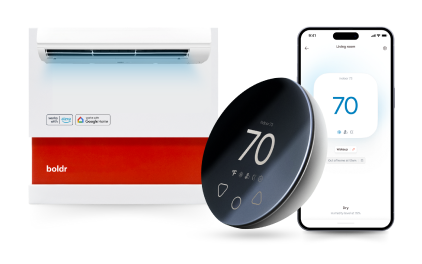
Klima - Smart Home Controller for Mini-splits, Air Conditioners and Heatpumps
Compatible with all brands of ACs and Mini-Splits Automate Climate Management Control remotely Reduce Energy Consumption Monitor bills in realtime
Try NowRecent Articles

Mini-Split Outdoor Unit Clearance 2026 Guide
A mini-split outdoor unit needs air. Lots of it. The condenser pull...
Read More
What Happens if Your Mini-Split Is Too Small?
Most homeowner sizing advice focuses on oversized mini-splits. But ...
Read More
Does a Mini-Split Need a Manual J Load Calculation?
A 500-square-foot room does not automatically need a 12,000 BTU min...
Read More
Signs Your Mini-Split May Have a Refrigerant Leak
A mini-split does not normally “use up” refrigerant the way a car u...
Read More
Mini-Split Minimum Capacity: Why It Matters
When homeowners compare mini-splits, they normally look at the bigg...
Read More