




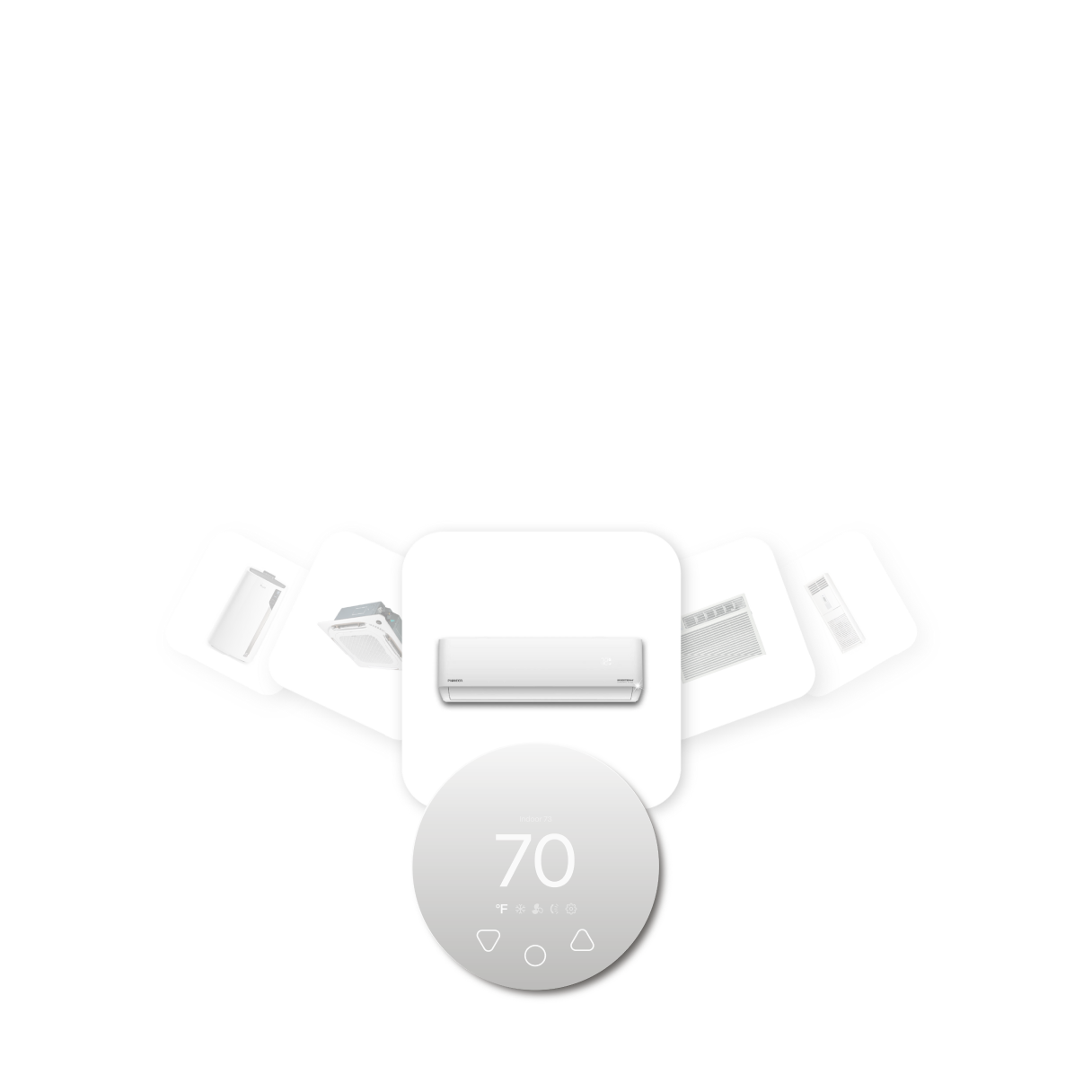



Mini-splits and PTAC (Packaged Terminal Air Conditioner) units are both room-level HVAC solutions — but they serve different markets and have very different characteristics. PTACs are the through-wall units found in hotel rooms; mini-splits are split systems with a separate outdoor compressor. If you are choosing between the two for a home, apartment, or rental property, the differences in efficiency, installation cost, and long-term reliability are significant. This guide covers every key comparison.
Compatible with all brands of ACs and Mini-Splits
Automate Climate Management
Control remotely
Reduce Energy Consumption
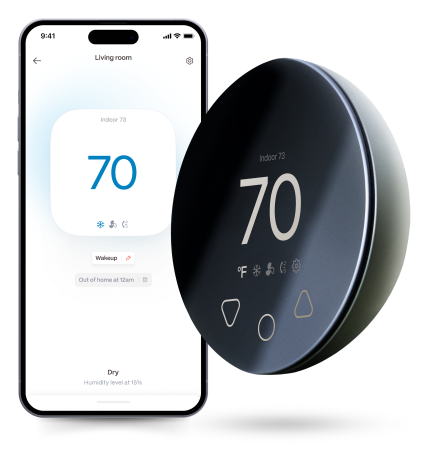
Monitor bills in realtimeKlima - Smart Home Thermostat for Mini-splits, Air Conditioners and Heatpumps
Mini-Split vs PTAC: Side-by-Side
| Factor | Mini-Split | PTAC Unit |
|---|---|---|
| Configuration | Split — separate indoor wall unit + outdoor compressor | All-in-one — single unit installed through exterior wall |
| Wall opening required | 3-inch hole for line set | Large sleeve opening (typically 16" × 42") |
| Efficiency (cooling) | SEER2 18–28+ (inverter) | EER 8–12 (fixed-speed) |
| Heating efficiency | COP 2.0–4.5 (heat pump) | COP 1.0–1.5 (electric resistance + limited heat pump) |
| Noise (indoor) | 19–32 dB (very quiet) | 45–60 dB (comparable to window AC) |
| Equipment cost | $800–$2,000 | $600–$1,200 |
| Installation cost | $1,500–$2,500 (professional) | $200–$600 (if sleeve exists) / $800–$1,500 (new sleeve) |
| Cold-climate performance | Cold-climate models to −25°C | Limited — most PTACs not rated below −5°C |
| Lifespan | 15–20 years | 7–12 years |
| Primary market | Residential, vacation homes, light commercial | Hotels, motels, senior housing, commercial |
When a PTAC Makes Sense
- Existing PTAC sleeve: If the wall already has a standard PTAC sleeve (hotel-style opening), replacing a PTAC with another PTAC is fast and inexpensive
- Commercial hotel/motel application: PTACs are specifically designed and warranted for commercial hotel use with occupancy sensors and key-card controls — mini-splits do not have these features
- Multi-unit residential where uniform appearance is required: Some landlords prefer PTACs because tenants cannot modify the installation
When a Mini-Split Is the Better Choice
- Residential comfort priority: The noise level difference (19–32 dB vs 45–60 dB) is dramatic — mini-splits are significantly quieter and do not cycle on/off disruptively
- Energy costs matter: A mini-split uses 40–55% less electricity than a PTAC for equivalent cooling output; over 10 years this difference is substantial
- Cold-climate heating: Cold-climate mini-split models maintain meaningful heating well below 0°C — most PTACs are not rated for heating below −5°C
- Long-term ownership: A mini-split that lasts 15–20 years vs a PTAC at 7–12 years changes the total cost calculation significantly
Frequently Asked Questions
Can I replace a PTAC with a mini-split?
Yes — but not in the same wall opening. A mini-split installation requires only a 3-inch hole for the line set, while a PTAC requires a large 16×42-inch wall sleeve. You would patch the existing PTAC sleeve, mount the mini-split indoor unit on the wall above or beside it, drill a new 3-inch hole for the line set, and install the outdoor unit. The installation cost is higher than a PTAC swap but the long-term efficiency and comfort benefits are significant.
Related reading:
→ Mini-Split vs Window AC: Cost, Efficiency and Comfort Compared
→ Mini-Split for Condo: What to Know Before Buying
→ Mini-Split for Rental Suites and Short-Term Rentals


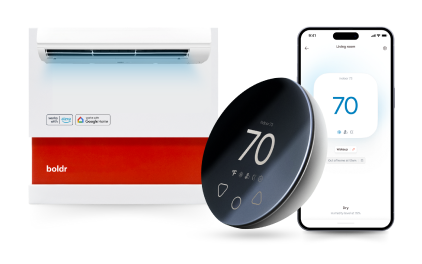
Klima - Smart Home Controller for Mini-splits, Air Conditioners and Heatpumps
Compatible with all brands of ACs and Mini-Splits Automate Climate Management Control remotely Reduce Energy Consumption Monitor bills in realtime
Try NowRecent Articles

Mini-Split Outdoor Unit Clearance 2026 Guide
A mini-split outdoor unit needs air. Lots of it. The condenser pull...
Read More
What Happens if Your Mini-Split Is Too Small?
Most homeowner sizing advice focuses on oversized mini-splits. But ...
Read More
Does a Mini-Split Need a Manual J Load Calculation?
A 500-square-foot room does not automatically need a 12,000 BTU min...
Read More
Signs Your Mini-Split May Have a Refrigerant Leak
A mini-split does not normally “use up” refrigerant the way a car u...
Read More
Mini-Split Minimum Capacity: Why It Matters
When homeowners compare mini-splits, they normally look at the bigg...
Read More